Oversized, raw materials, earth palette: the keys to children’s style 2025
This publication is also available in:
 Français
  Deutsch
  Italiano
  Español
  English (US)
From oversized sweatshirts to earthy palettes, five childlike silhouettes to combine style, ethics, and freedom of movement for the new school year.
This school year, parents in search of aesthetics and conscience are no longer just looking to dress their child: they seek to accompany them through a wardrobe designed to last, to be passed down, and to carry meaning.
The children’s fast fashion is losing momentum: in its place, demanding brands, often French or European, are emerging, advocating a gentle approach to fashion. No flashy logos or childish gimmicks: it’s about precision, understated volumes, natural palettes, and noble materials.
Children’s fashion 2025 draws inspiration from adult streetwear, Japanese slow fashion, and reinterpreted workwear. It speaks the language of stylish parents while allowing the necessary freedom of movement for children. The line between comfort and elegance blurs: clothing becomes tools of expression, everyday allies, chosen pieces of their evolving narrative.
Here are five looks that tell this story: garments as miniature manifestos.
1. The New Proportions of Children’s Style: Oversized, Mix & Materials
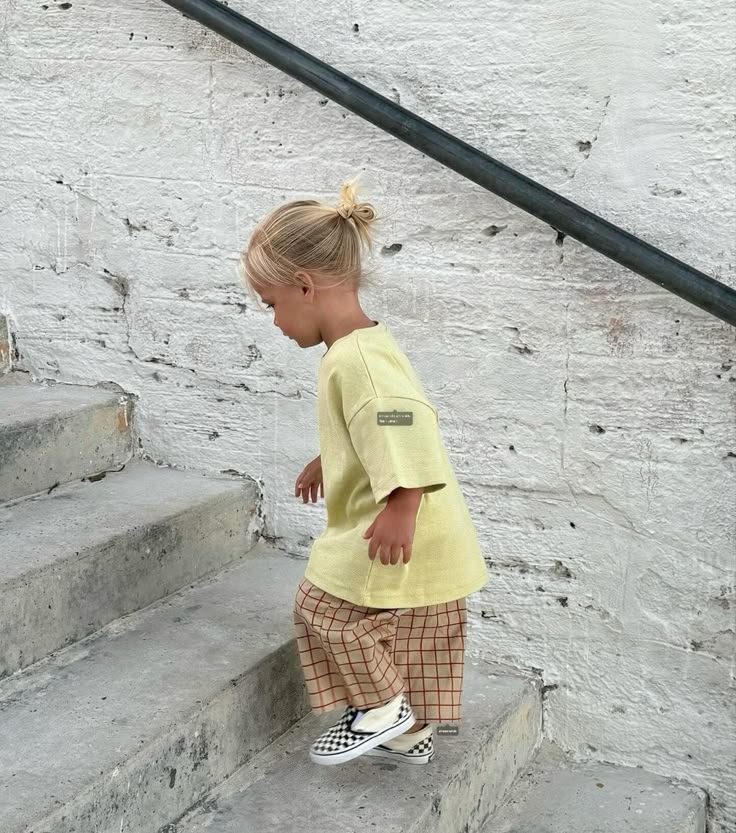
Gone are the rigid cuts or overly expected ensembles. In 2025, children’s wardrobes adopt ample, almost sculptural volumes. Kimono jackets, oversized sweatshirts, high-waisted pleated pants, long dresses in thick jersey: silhouettes elongate, soften, and draw inspiration from adult wardrobes without ever losing their freshness.
This is evident at Omibia and LiiLU, where clothing tells a story of fluid movement, a discreet yet assertive presence. A wide boiled wool coat pairs with a long skirt with an elasticated waist. An oversized clay-colored sweatshirt covers a striped shirt with rolled-up sleeves. The look is conceived in layers, better to follow the days of play, school, and the unexpected.
This trend towards oversized is not just an aesthetic: it also allows for extending the life of clothing, crossing two seasons or being passed between siblings. A choice that is both practical, sustainable, and thoughtful.
2. Soft Palette, Hard Materials: The Return of Earthy Tones and Raw Textiles
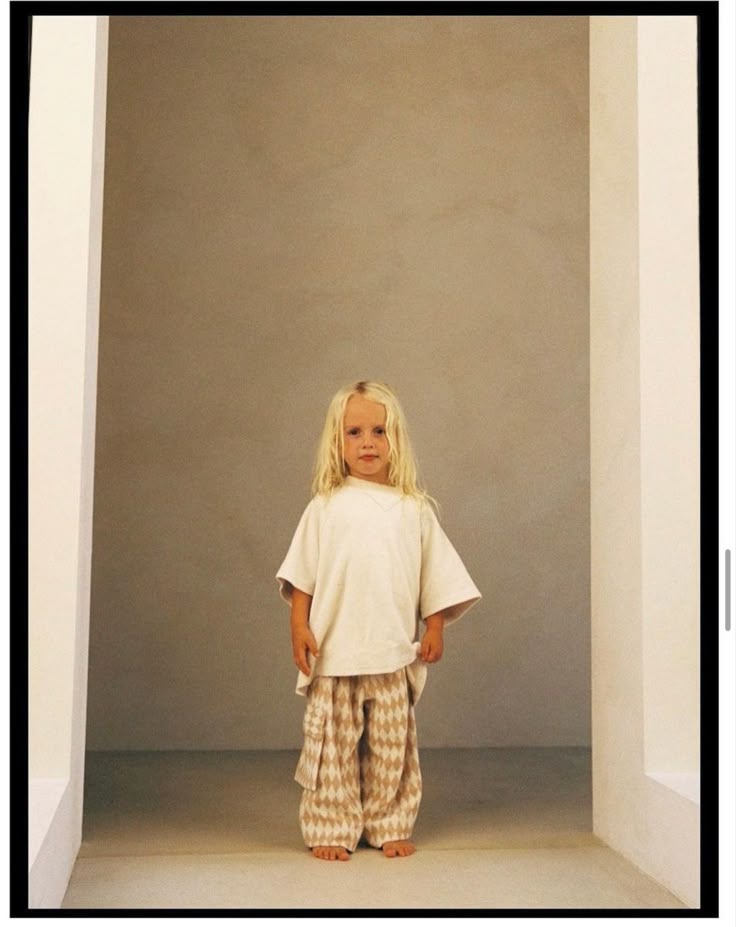
What strikes this season is the return of earth tones. Not in a strict sense, but in the hues: muted mustard, clay brown, sage green, stone gray, dusty pink. Soothing colors that never go out of style and tell a story of childhood connected to reality.
The materials follow this line: corduroy, organic cotton poplin, recycled denim, washed merino wool. Raw, durable yet soft textiles that gain nobility as they wrinkle. They offer the child a sensory texture and a drape that follows the gesture, the run, the rest. Studio Bohème thus focuses on soft cotton gauze pants, while The New Society reinvents the back-to-school dress in lightweight flannel.
This organic palette is part of a new visual grammar, inspired by both Japanese wabi-sabi and the natural landscapes of Southwestern Europe. A return to essentials that reconciles aesthetics and grounding.
3. Brands That Think with Their Heads and Sew with Their Hearts
Among the labels to follow this school year, three names stand out for their ethical commitment and strong identity. Studio Bohème, based in Paris, works in a short supply chain and prioritizes GOTS-certified materials. Their signature cut: carrot pants with patch pockets, reimagined this season in sandy colors.
The New Society, a Spanish brand, explores a soft and romantic aesthetic, never slipping into nostalgia. Pleated dresses, Peter Pan collars, fine knits in caramel color… everything is designed to last and be passed down.
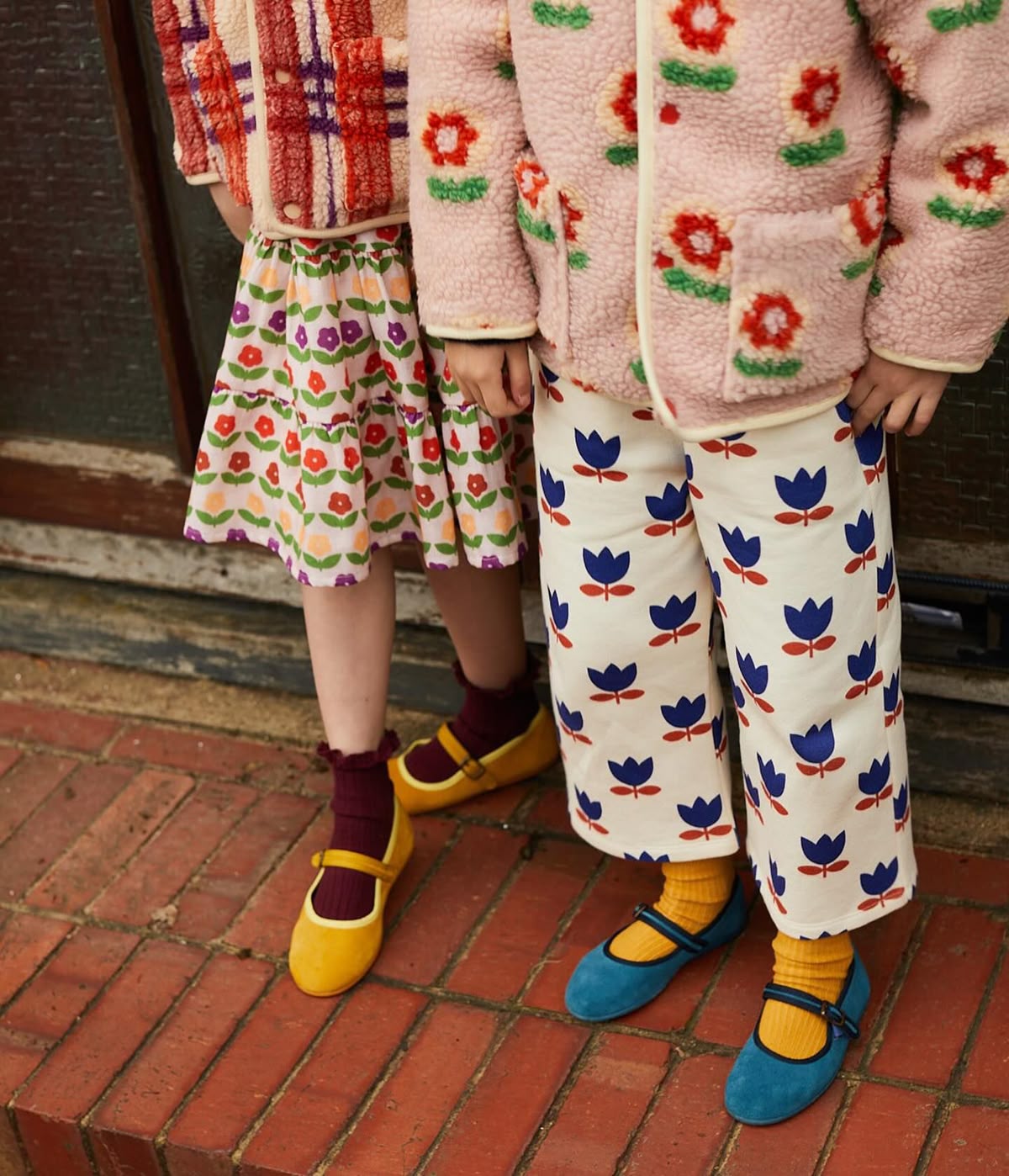
Finally, Bonjour Diary, which hand-embroiders each piece in a workshop in India, stands out with discreet patterns inspired by vintage prints. Their floral blouse in organic cotton, paired with khaki bloomers or a textured overall, gives rise to free, poetic, and contemporary silhouettes.
Behind these brands are often mother founders, committed to harmonizing style and values. Each collection is the result of a personal vision and a respectful acknowledgment of the rhythms of childhood.
4. Dressing an Attitude, Not an Age
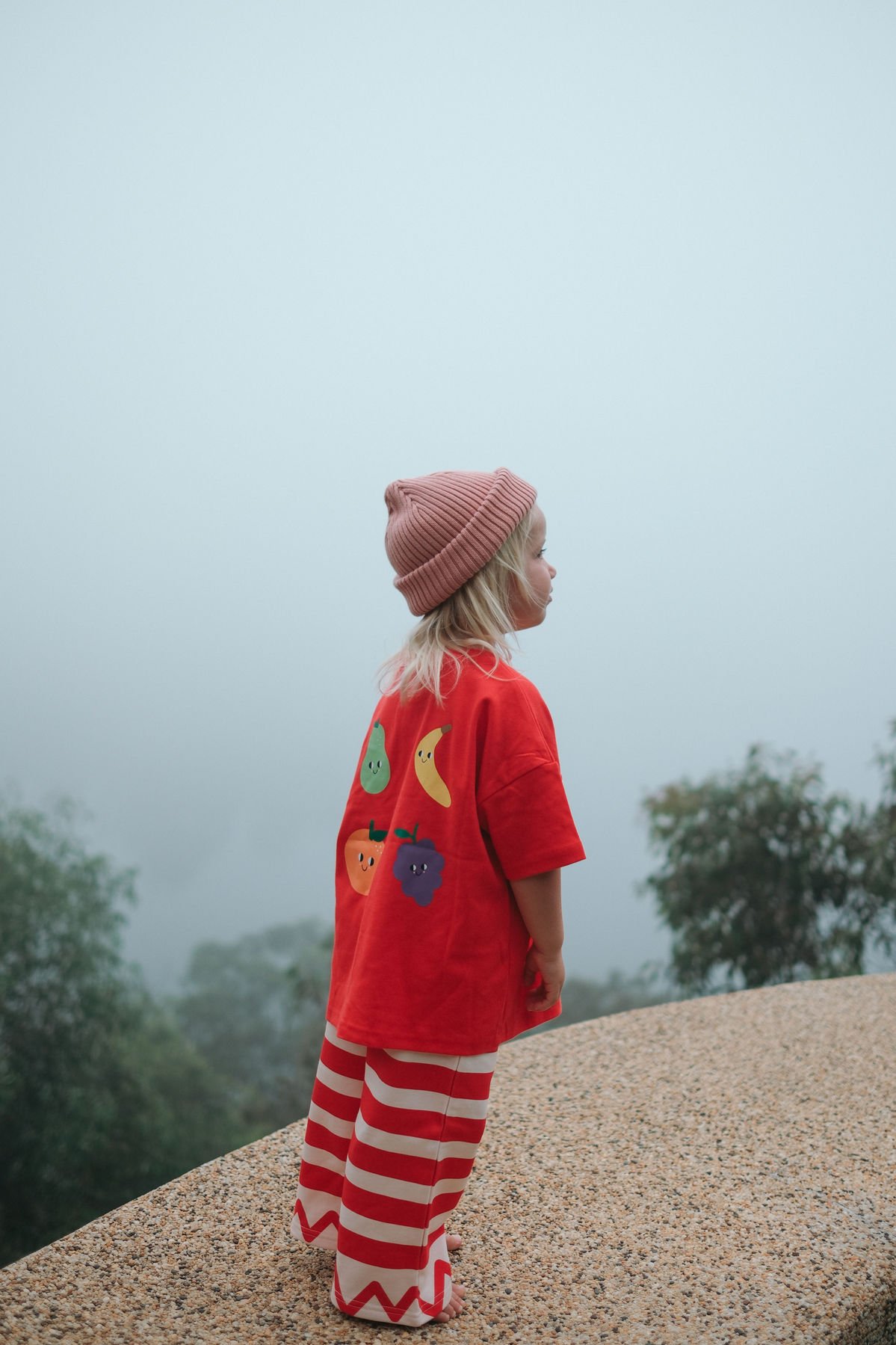
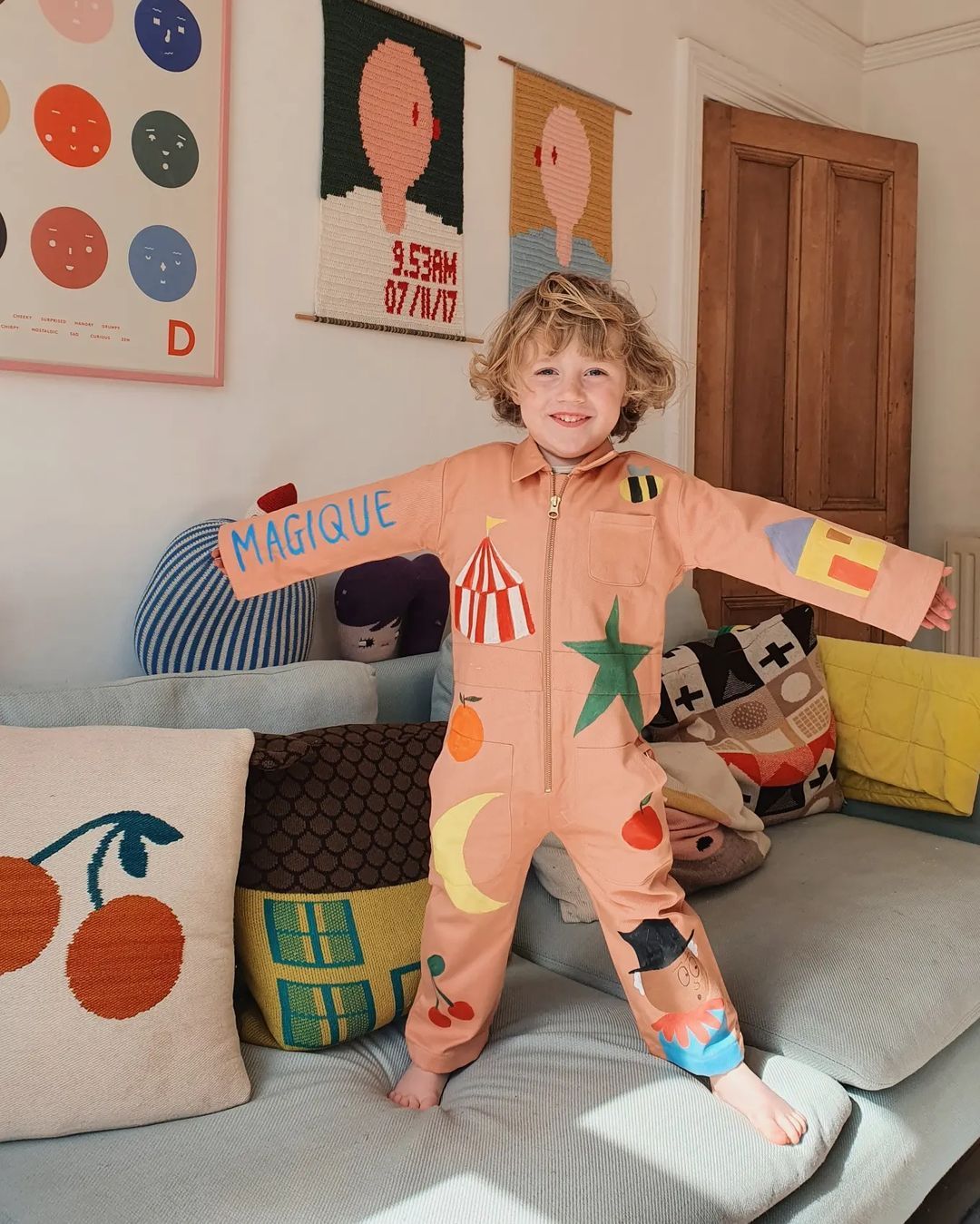
Today’s children are individuals in their own right, and their style reflects this uniqueness. Gone are the days of pink for girls, blue for boys, loud prints, or generic messages. Each look becomes a reflection of a personality, a rhythm, a family and cultural grounding.
Dressing your child is thus also about honoring an attitude: that of exploration, daydreaming, silence, or mischief. Clothing is a non-verbal language that allows the child to feel free, aligned, and respected. An oversized blouse, a linen jumpsuit, a sturdy pair of ankle boots can suffice to embody this posture – discreet yet powerful – that every child already carries within.
Here, the role of the stylish parent is no longer to dictate but to reveal. Observe, propose, adjust… so that the wardrobe becomes a space for autonomy and self-assertion.
Because a well-cut sweatshirt, fluid pants, or a sturdy pair of boots is often more than just clothing: it’s a way to step into the world. And what if this new school year was also an opportunity to redefine what it means to “dress your child well”? Less to please or show off, and more to accompany. Less to perform, and more to grow – truly.