Homemade Fall Snack Ideas for Kids: Between Aesthetics and Indulgence
This publication is also available in:
 Français
  Deutsch
  Italiano
  Español
  English (US)
In an era where image nourishes as much as flavors do, the autumn snack is no longer just a hurriedly swallowed applesauce. It is thought out, composed, orchestrated. The trend: homemade, but with a design twist. Parents are creatively reclaiming the sweet side, transforming rustic cookies into little visual masterpieces, elevating a simple apple pie in a stoneware dish, reinventing hot chocolate with a spicy touch. The result: a refined aesthetic, ready to be shared in photos, but above all, a family ritual that makes sense. The snack becomes a moment of transmission and inspiration, balancing gustatory pleasure with a quest for visual harmony.
For a few years now, the return to homemade has come with a new demand: that of aesthetics. Autumn, with its rich colors and generous flavors, offers a perfect ground to reinvent this daily moment known as the snack. Social media is bursting with tables set like still lifes, where a simple marbled cake transforms into an object of desire. But beyond the visual effect, this trend is rooted in a deeper need: the need to give meaning, to slow down, and to reconnect with artisanal gestures.
For children, it is a sensory learning experience: the scent of cinnamon infusing, the texture of a still-warm cookie, the warmth of a steaming hot chocolate in their hands. For parents, it is a space for creativity and sharing, a way to transform an ordinary ritual into an aesthetic and sustainable experience. The autumn snack is now envisioned as a true family scenography, where every detail – from ingredients to containers – contributes to the construction of a strong memory. More than just a sweet break, it becomes a manifesto of style and intentions.
Homemade: the new refuge value
Autumn celebrates rediscovered simplicity: orchard apples, nuts gathered during a Sunday walk, organic flour purchased from a local producer. Urban or suburban parents, concerned with quality and transparency, rediscover the obviousness of raw ingredients. Recipes are meant to be accessible, yet always infused with an aesthetic requirement. A rustic pear tart, sprinkled with slivered almonds, becomes the icon of a “chic yet simple” snack. A homemade applesauce served in a small artisanal ceramic jar takes on an air of visual delicacy.
In a society seeking reference points, this return to homemade acts as a refuge value. It reassures, brings people together, and recreates connections between generations. Our grandmothers’ French toast, revisited with almond milk or a hint of vanilla, reactivates collective memory while responding to contemporary aspirations for authenticity and naturalness. The gesture matters as much as the taste: kneading, mixing, baking. These are gestures that bring us back to the concrete, to a form of happy sobriety.
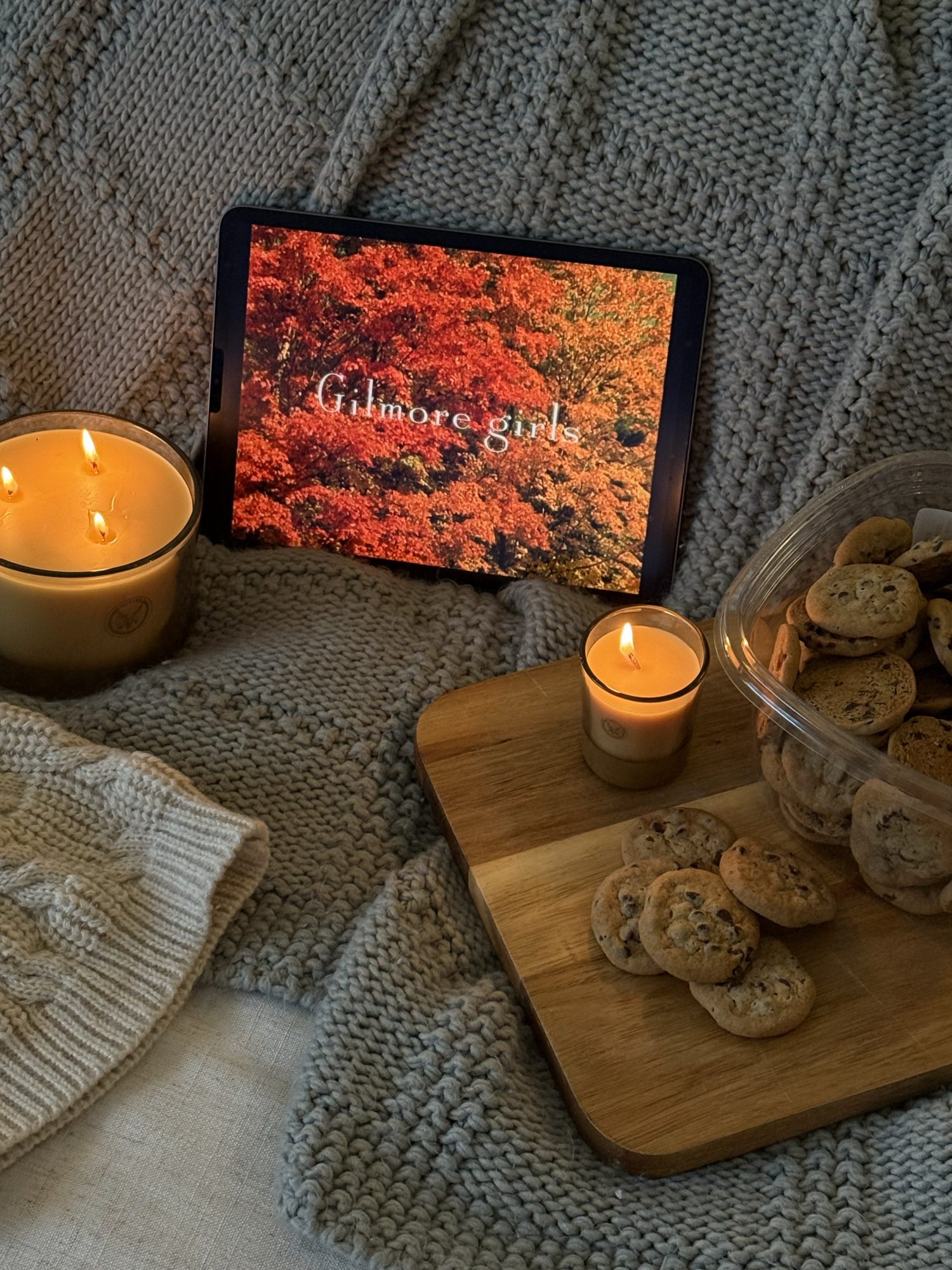
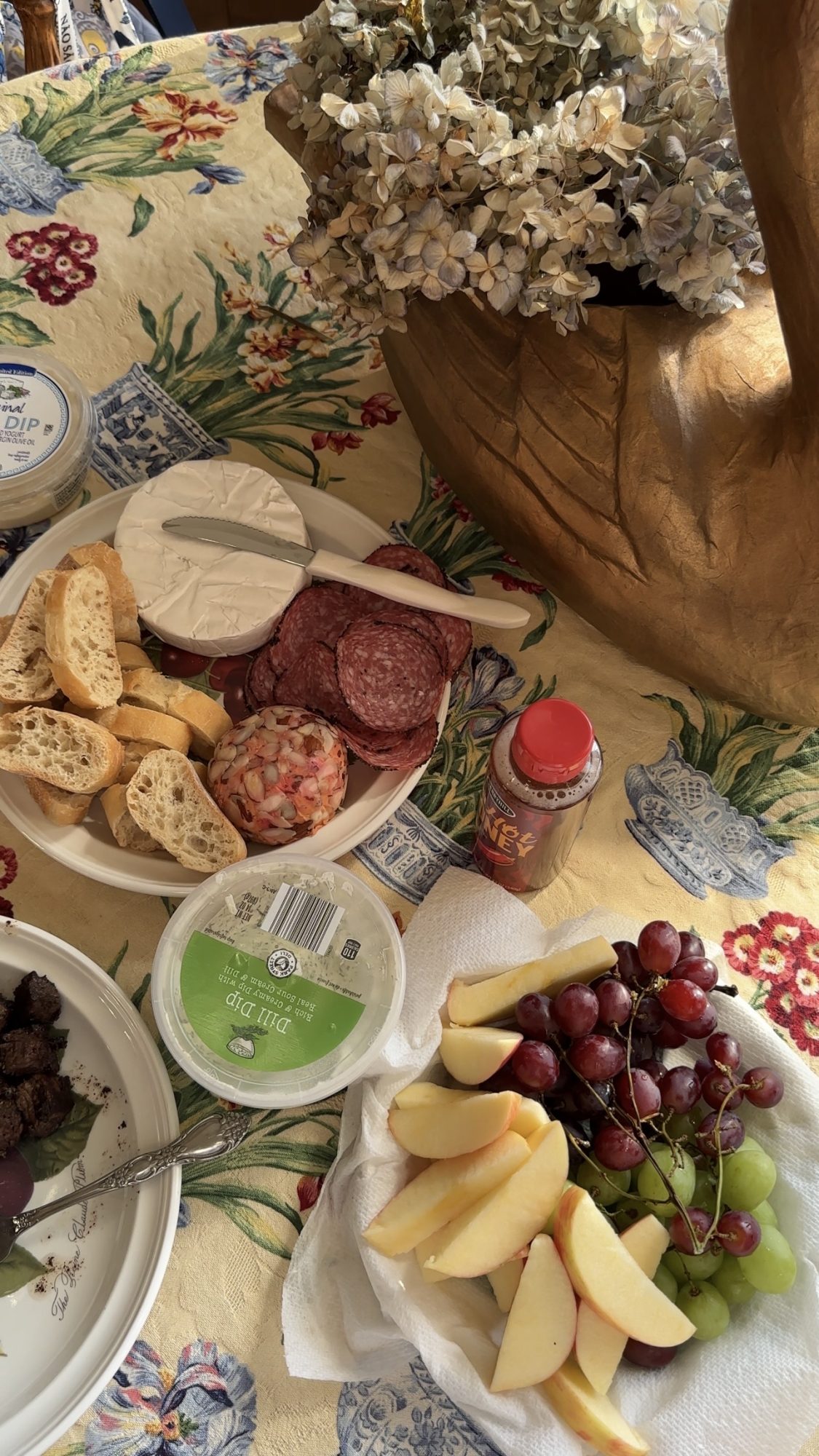
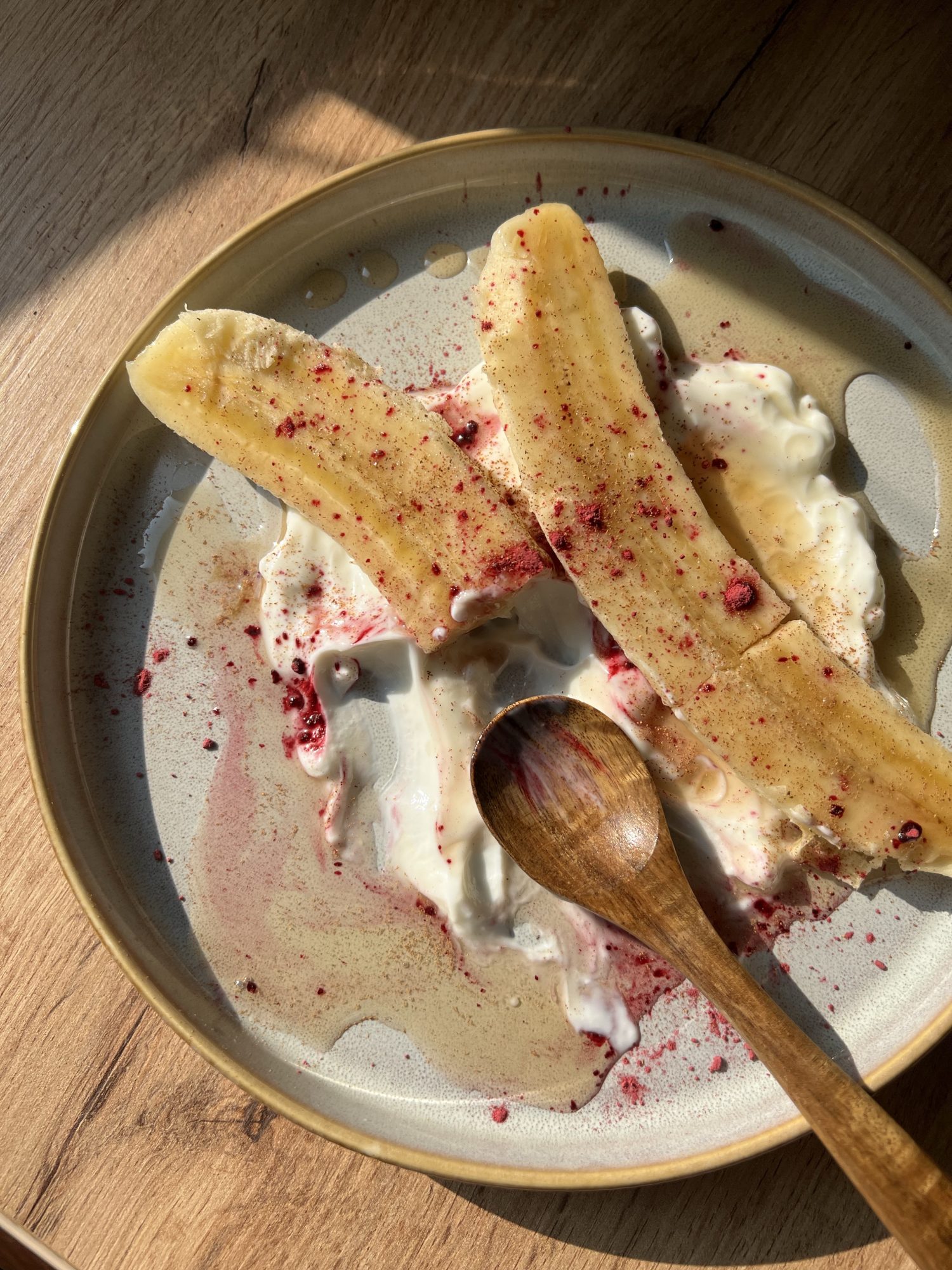
Culinary design: when aesthetics elevate the everyday
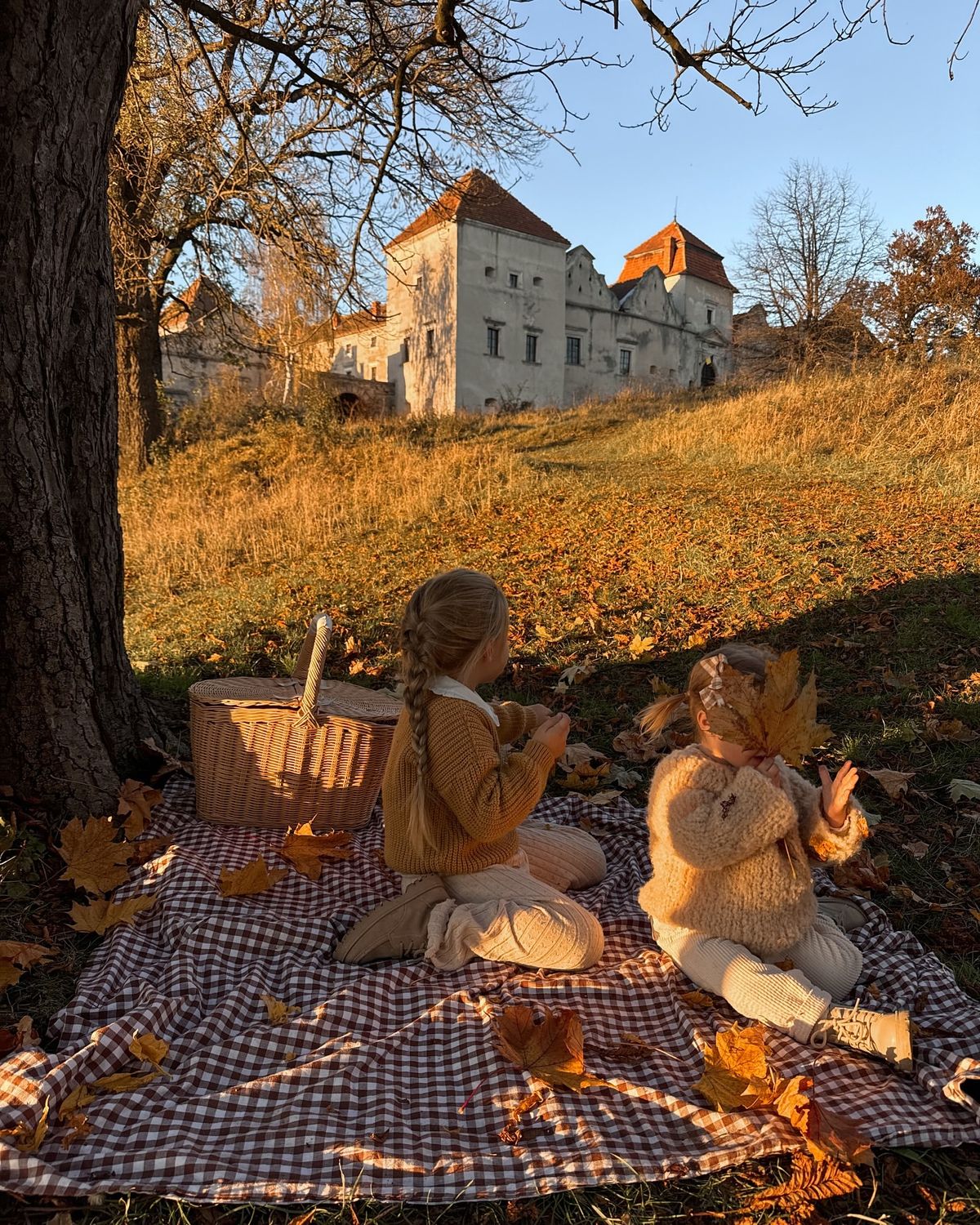
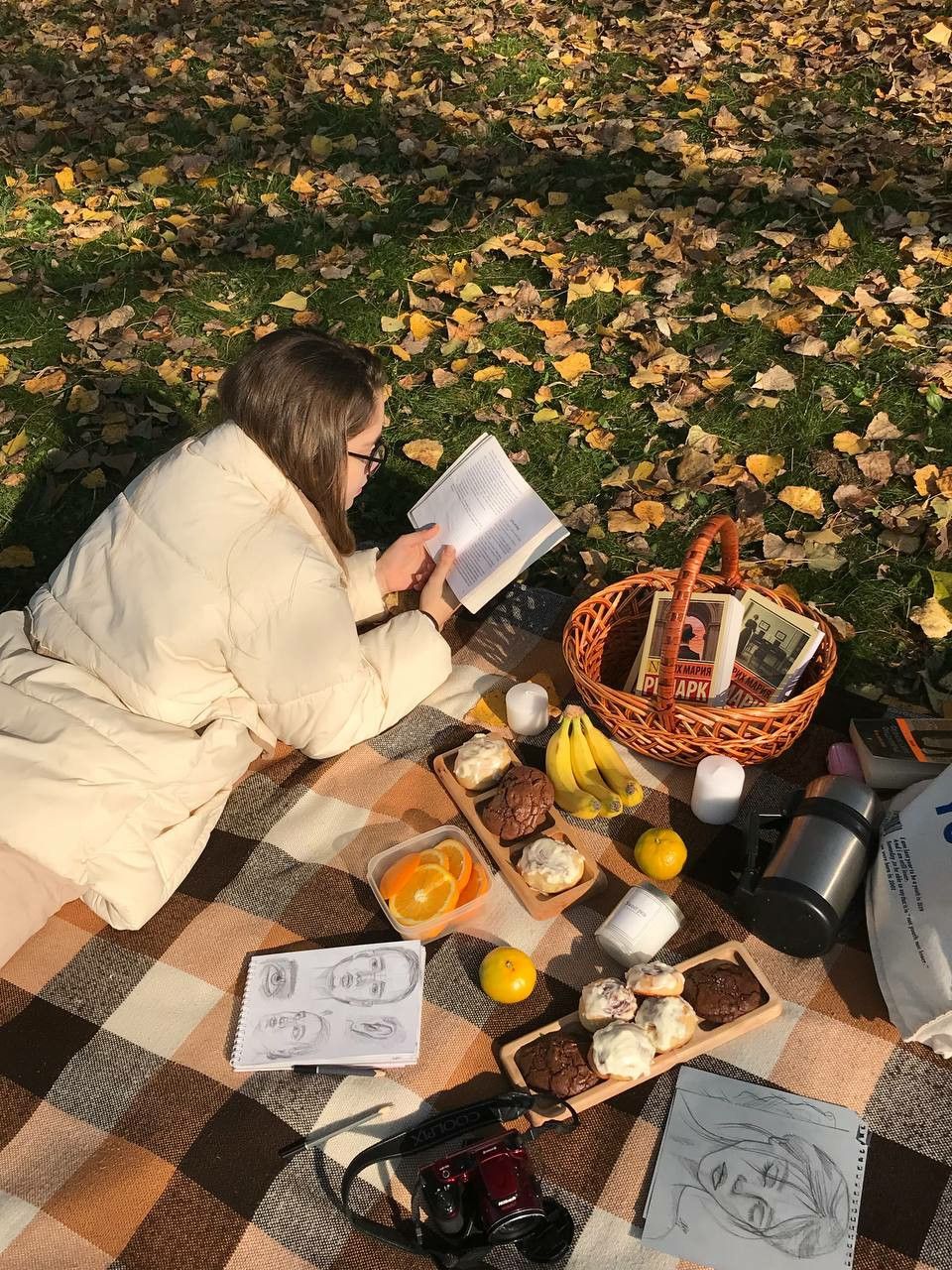
But homemade does not stop at taste: it is also experienced as a visual journey. The influence of social media, with Instagram leading the charge, has transformed every snack into a canvas. Autumn colors – ochre, brown, moss green – are reflected in linen tablecloths, stoneware plates, and handblown glasses. Parents create a table that resembles an editorial scene from a magazine, where every detail matters.
The spiced cake is cut with care, the shortbread cookies take on poetic shapes, and the drinks are adorned with foams and hues. A whole culinary universe is envisioned like a design, inviting both young and old to slow down, savor the moment, and offer a multisensory experience where beauty aligns with flavor. The image nourishes as much as the taste, and this ritual becomes a moment of shared contemplation.
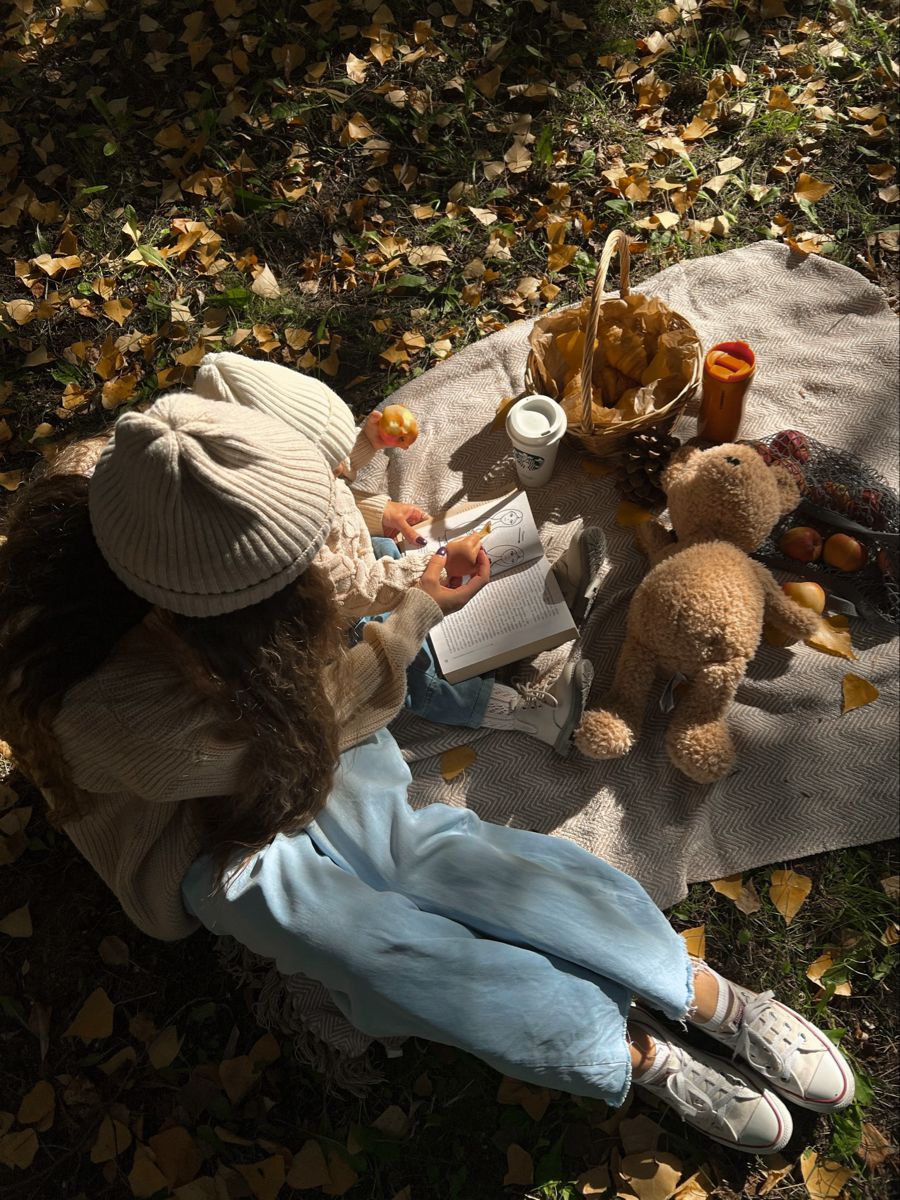
Sustainable and inspiring: a ritual that is passed down
Behind the aesthetic search, there is also a consciousness: the desire to pass down values. The autumn snack becomes a family laboratory where ecology, creativity, and slowness converge. Choosing local flour, using seasonal fruits, banning plastic packaging, and favoring reusable tableware are all gestures that build implicit education for children.
This ritual embodies the idea of a time rediscovered. Unlike industrial snacks hastily gulped down, homemade snacks invite us to sit down, talk, and savor together. It brings the family together around simple and sustainable gestures, while allowing room for childlike creativity: drawing shapes in cookie dough, decorating a cake with dried fruits, inventing new recipes. These moments become sensory and emotional memories that mark childhood and inscribe themselves in affective memory.
The sustainable becomes inspiring here, as it roots itself in everyday life without rigidity. It is not imposed; it is embodied. The autumn snack, in its chic and conscious version, offers a rare balance: that of nourishing the body, the eye, and the spirit all at once.
The autumn snack no longer simply nourishes; it tells a story. A story of taste, of rediscovered gestures, of a celebrated season. It becomes the symbol of a sensory and aesthetic education, transmitted gently, without discourse but through experience. Perhaps the most beautiful lesson we can give our children: to understand that beauty lies in simple rituals, magnified by attention and creativity. A frothy hot chocolate, a golden pie, a refined table: these are all details that build a universe. And if, ultimately, the future of our family memories were drawn in these homemade, aesthetic, and sustainable autumn snacks?
Photos: Pinterest & DupePhotos