Minimalist Children’s Interiors: Why Are Families Drawing Inspiration from Japanese Design?
This publication is also available in:
 Français
  Deutsch
  Italiano
  Español
  English (US)
Simplified, calming, functional: children’s rooms are inspired by Japanese minimalism. Futons, light wood, and natural tones redefine the daily lives of families seeking harmony.
The start of 2025 is accompanied by a discreet yet powerful movement : the return of Japanese-inspired interiors, particularly in the children’s realm. In big cities as well as in provincial homes, more and more families are drawing inspiration from Japanese aesthetics to create clean, functional, and soothing spaces. The Japanese model, based on the harmony between simplicity, nature, and movement, resonates with contemporary parental concerns: creating an environment that promotes both well-being and children’s autonomy.
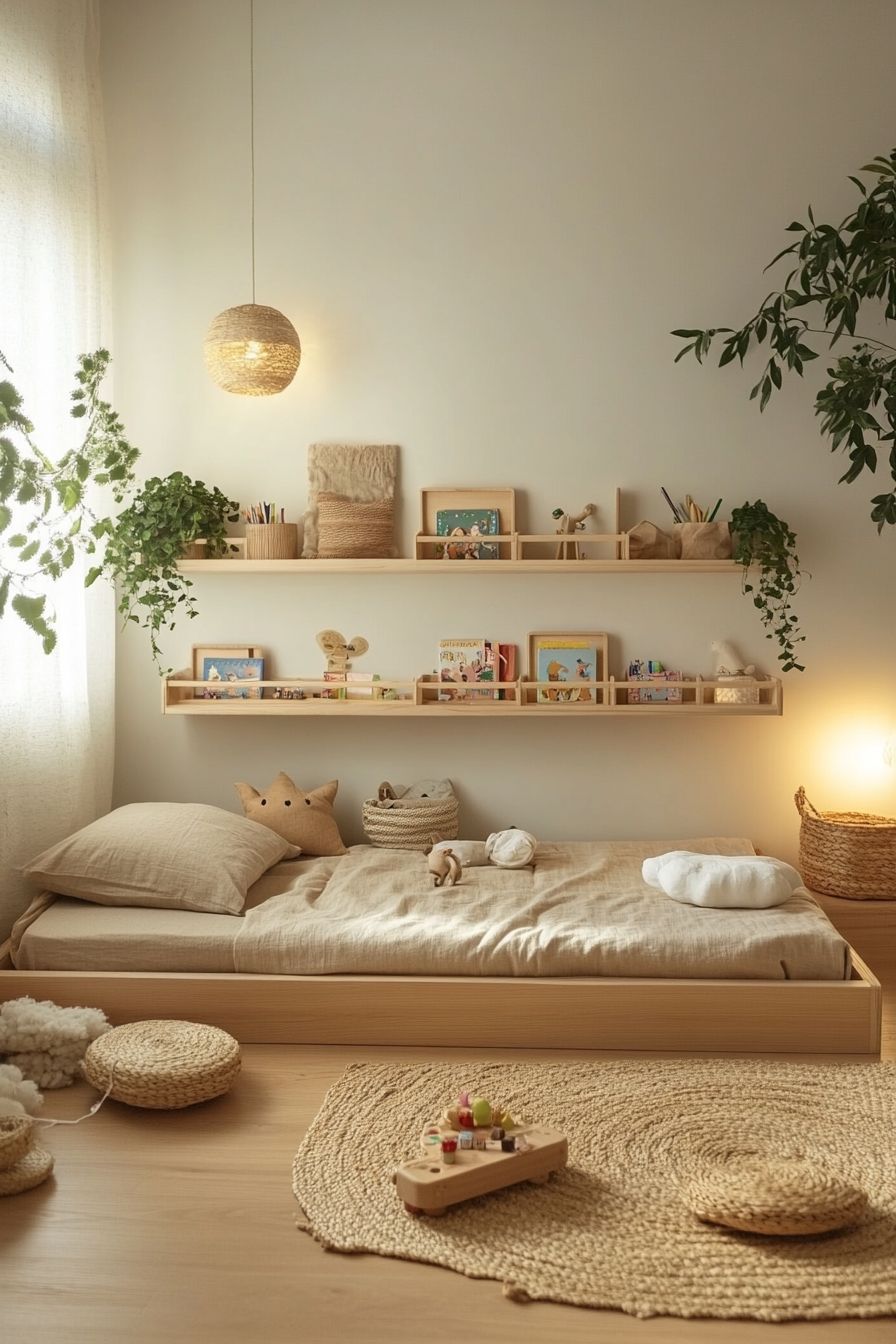
Far from the clutter of toys, Japanese-inspired rooms are structured around a few strong pieces: a low bed, a discreet wardrobe, a low shelf. The rest lies in the selection of natural materials – light wood, organic cotton, washi paper – and a calming palette of beiges, browns, and soft greens. This art of simplicity goes beyond mere aesthetic taste: it is part of a quest for functional, even spiritual minimalism, where every object counts and tells a story.
Japanese Minimalism: A Lifestyle Adapted for Children
Japan has always nurtured a philosophy of space. Inherited from Zen Buddhism, Japanese thought values sobriety and balance, embodied by the concept of wabi-sabi: a beauty in imperfection and simplicity. In Japanese interiors, every object has its place, every emptiness has meaning. Applied to the world of children, this model finds a particular resonance: it allows the creation of rooms that breathe, where the child evolves without visual overload.
Concretely, this translates into futons placed directly on the floor – a choice that fosters autonomy, allows free movement, and enables play without constraints. Storage, often concealed behind sliding panels or in low chests, eliminates the unnecessary and frees up space. The furniture follows the same logic: miniature tables and chairs in light wood, low shelves accessible at a child’s height, natural fiber rugs that invite sitting, drawing, dreaming. This design, both functional and poetic, transforms the room into a cocoon conducive to imagination.
A Sensory Design: Natural Materials and a Calming Palette
In a Japanese-inspired room, the decor is conceived as a sensory experience. Light wood prevails, often untreated or lightly oiled to preserve its natural grain. Linen and organic cotton dress cushions and throws, while tatamis made of plant fibers add a unique texture to the floor. The materials tell a story: they evoke nature, age gracefully, and provide a tactile softness for children.
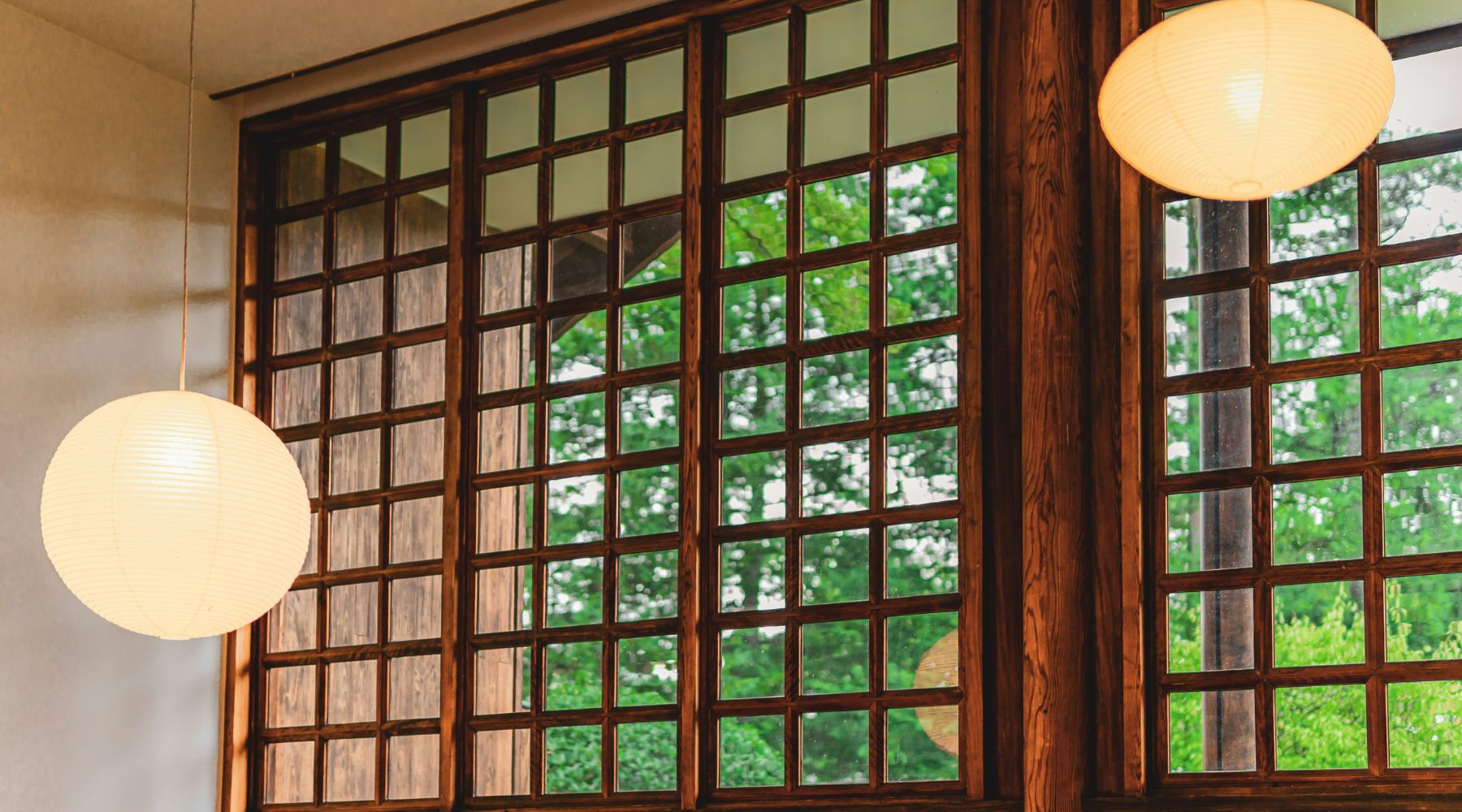
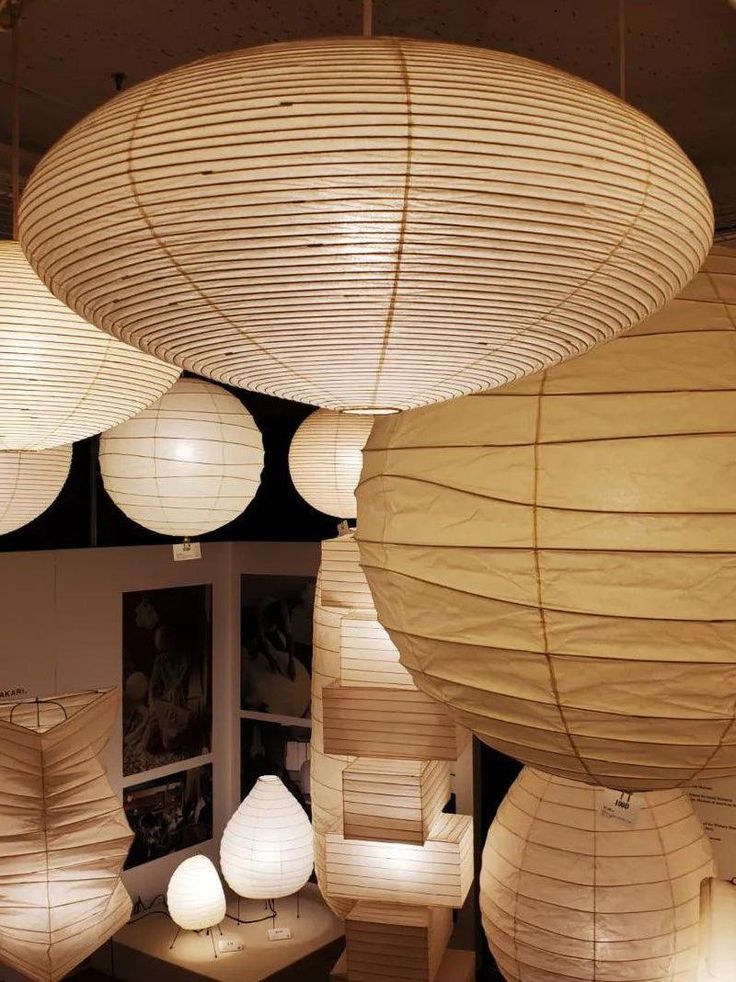
The color palette follows the same calming logic. On the walls, neutral tones: beige, sand, light ochre, sometimes accented by moss green or deep brown. These natural colors soothe the eye and promote concentration. In this atmosphere, a simple washi paper lamp diffuses a soft light, creating a universe where everything invites calm. Low bookshelves, where books are presented face out, adopt Montessori principles but in a more sober and poetic Japanese aesthetic. The result is a room that becomes an interior landscape, conducive to dreaming and resting.
A Response to the Excesses of Contemporary Childhood
In contrast to rooms saturated with plastic toys and ephemeral objects, the Japanese-inspired model offers an alternative: less, but better. Parents who adopt this style often claim to seek to protect their children from constant overstimulation. By reducing the number of visible objects, creativity is encouraged: a well-chosen toy can be repurposed a thousand times, whereas ten forgotten toys no longer spark interest.
This philosophy aligns with that of Marie Kondo, who has marked a generation with her art of decluttering and organizing. However, it distinguishes itself through a more poetic and cultural approach: it’s not just about decluttering, but about creating harmony, a fluidity. Some parents choose a single sculptural object – a solid wood dollhouse, a designer rocking horse – which becomes both a toy, decoration, and heirloom. This minimalism rethinks the very status of objects: they are no longer consumed, but inhabited.
From the Room to the Home: Coherence and Transmission
Japanese minimalism does not stop at children’s rooms. It tends to spread throughout the entire house, creating aesthetic and ethical coherence. In living rooms as well as homes, parents integrate kids’ spaces into the overall design without visual disruption. Thus, a child’s desk in light wood can blend into a living room, and a miniature reading nook can dialogue with a parental library. This integration promotes a fluid circulation between generations, where everyone finds their place without segmentation.
This approach goes beyond style: it reflects a desire for transmission. By offering children sober and durable spaces, parents implicitly teach values: respect for objects, thoughtful choices, and a harmonious relationship with nature. A toy made from local wood, a lamp designed by an artisan, an evolving shelf passed down from one child to another: these gestures embody a sensitive education. Minimalism then becomes a family language, a way of saying that the essential is not in accumulation but in the experiences lived together.

Children’s interiors inspired by Japan reflect a broader aspiration: to live better with less, in peaceful and coherent spaces. Far from being a deprivation, this minimalism reveals itself as a subtle luxury: that of choosing every detail, every material, every object with care. By shaping these simplified rooms, families create environments where children can breathe
Photos: DupePhoto, Pinterest & Unsplash.