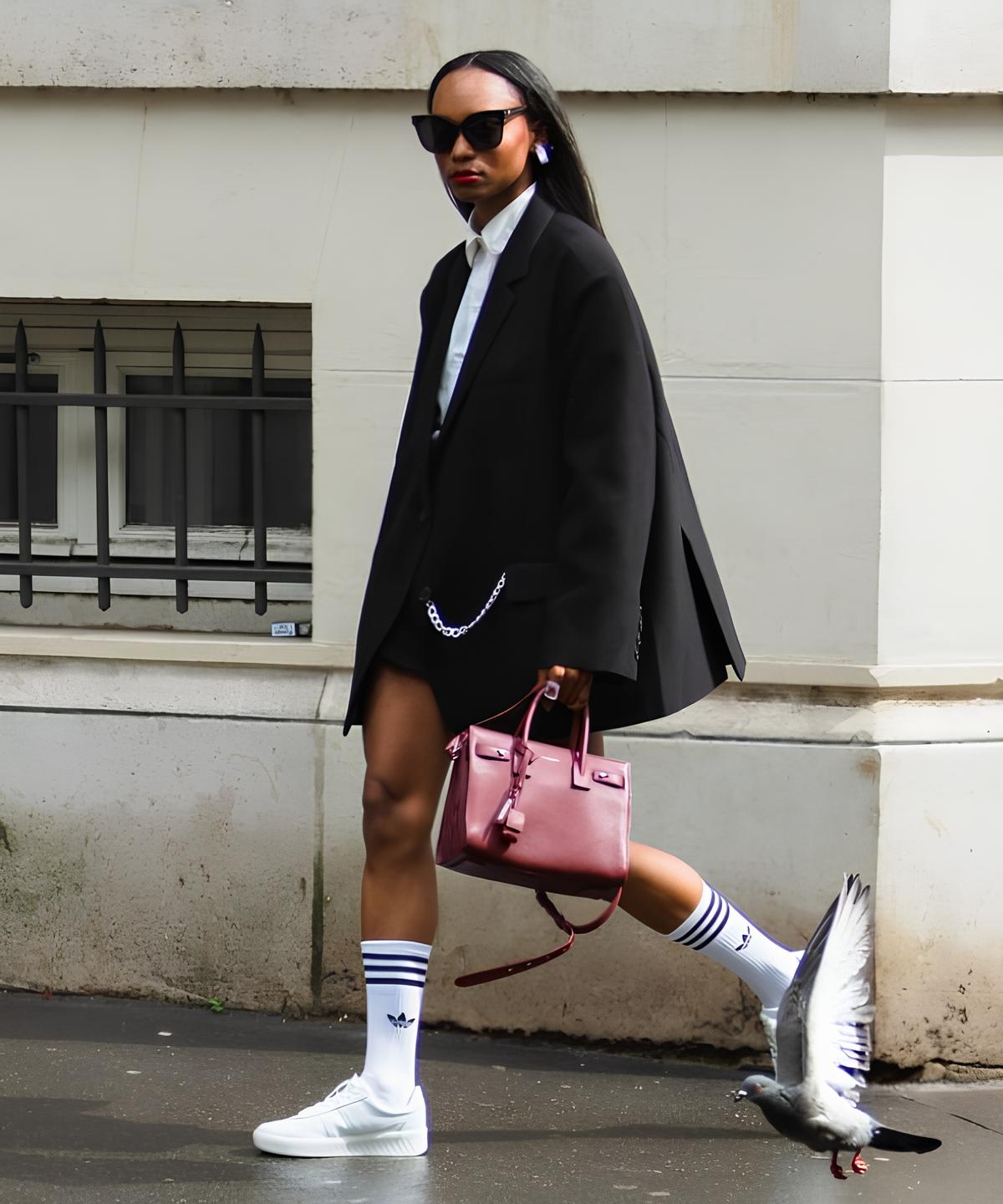
The Art of Mix & Match: Between Heritage and Avant-Garde
This publication is also available in:
 Français
  Deutsch
  Italiano
  Español
  English (US)
There are no more rules. Or rather, they are rewritten every morning, in front of the mirror. Layering a men’s blazer over a satin dress, pairing a classic trench with a pair of technical sneakers, wearing an antique brooch on a collared shirt… Style is no longer imposed; it is composed. And in this composition, the art of mix & match asserts itself as a personal expression, blending heritage and boldness, rigor and nonchalance.
This is not a passing trend, but a contemporary response to an age saturated with images. In a world where everything looks the same, it is in subtle dissonance that elegance is born.
Mix & Match: More than a Style, a Stance
Far from the automatism of the total look, mix & match conveys a way of thinking about fashion in motion. It allows for the articulation of seemingly opposing influences — impeccable tailoring and deconstructed volumes, strict cuts and whimsical details. At Prada, Dries Van Noten, or Miu Miu, this language of visual tension becomes a manifesto.
But even more, this approach requires a perspective. One that recognizes in an archival accessory the glow of a possible modernity; one that understands that juxtaposition can be stronger than unity. Mix & match does not seek to seduce; it intrigues. It asserts without emphasizing. And that is its entire power.


Reinvented Heritage: The Quiet Strength of Classics
There are pieces that command a certain respect. Their presence is a silent obviousness. The Max Mara coat, for example, traverses the seasons with the same quiet authority. Its drape, its camel hue, its unexcessive cut make it a cornerstone — the kind of garment around which everything can revolve, and everything can dare.
In this logic, Max Mara coats embody an ideal base for exploring contrasts: a wide pant in electric tones, a pair of jeweled loafers, a textured leather clutch.
Alongside them, the iconic pieces from major houses — the reimagined suit at Dior, the twisted monogram bag at Louis Vuitton — become reinvented foundations. Heritage is no longer fixed; it adapts and plays along with combinations.

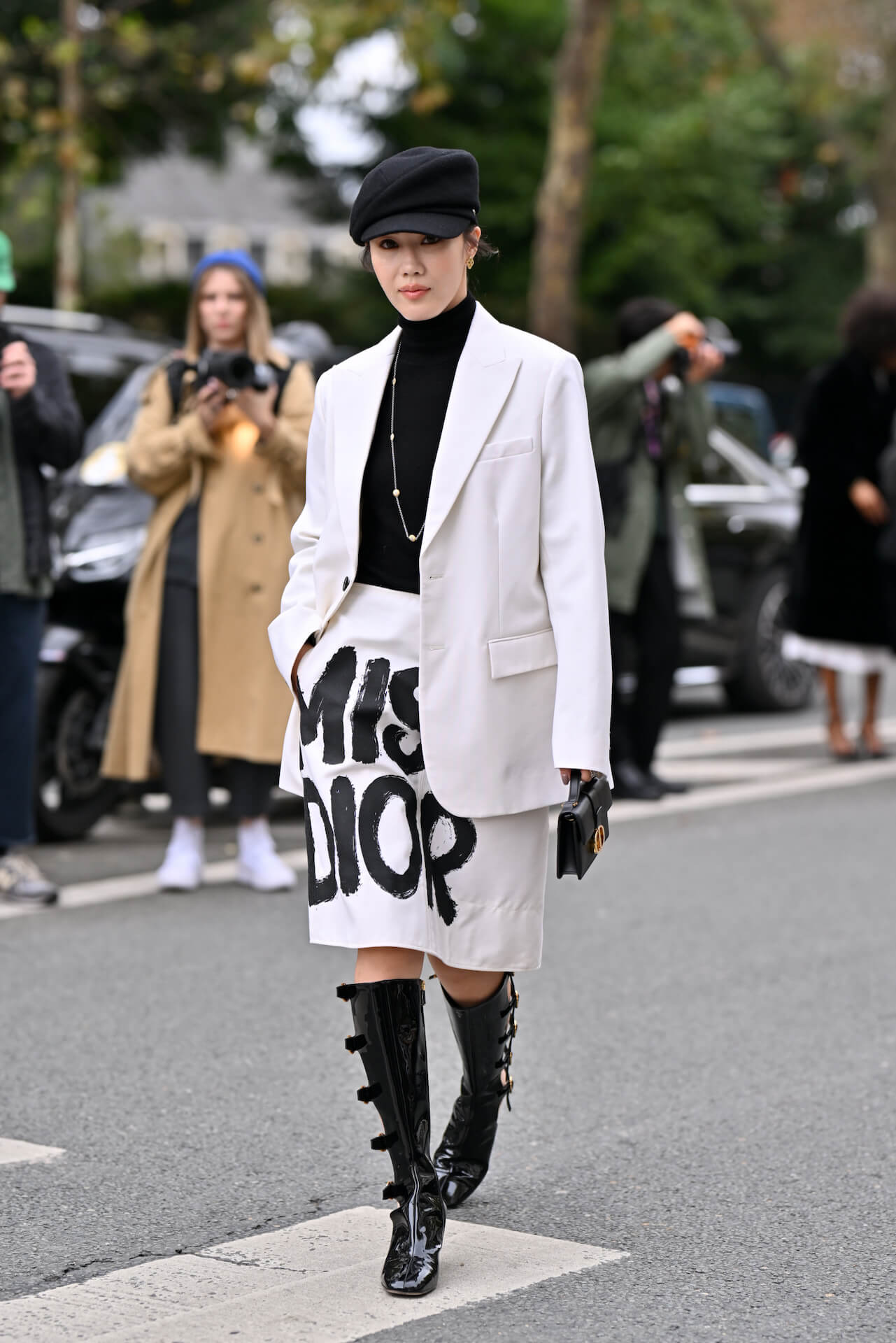
A Certain Idea of Contemporary Chic
Today, true refinement lies in the details, in the choices. A silhouette no longer needs to be perfect; it must be personal. It is in this nuance that a new way of consuming fashion is written, more instinctive, and more demanding as well.
Some platforms support this fine reading of style. Like 24S, whose selection expresses an editorial perspective: bringing together the big names in fashion — like Celine, Dior, or Loewe — while highlighting emerging labels to watch. This curated approach, rooted in Paris, offers fashion enthusiasts a space of controlled freedom, where timeless pieces coexist with more radical stylistic gestures.
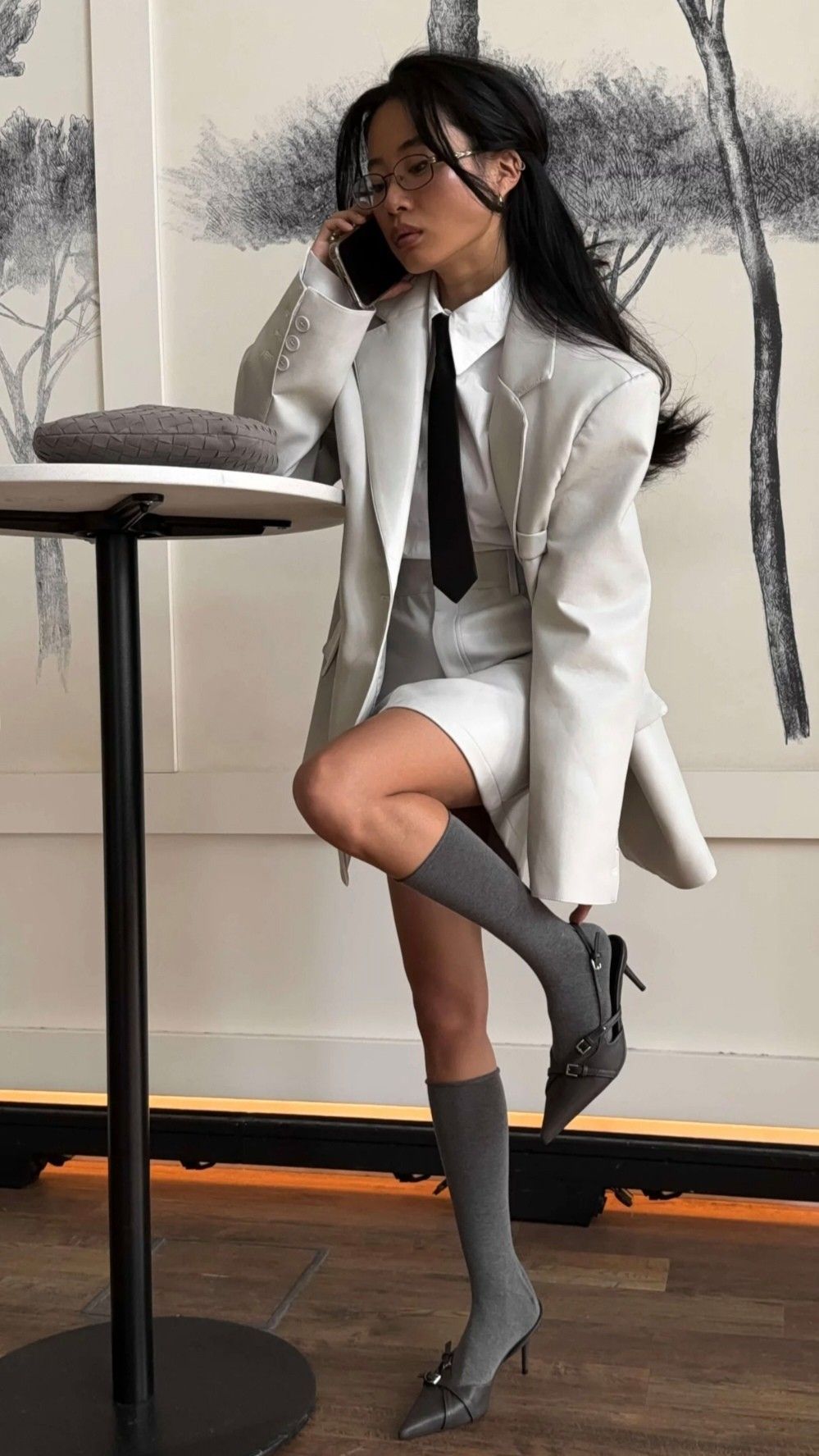
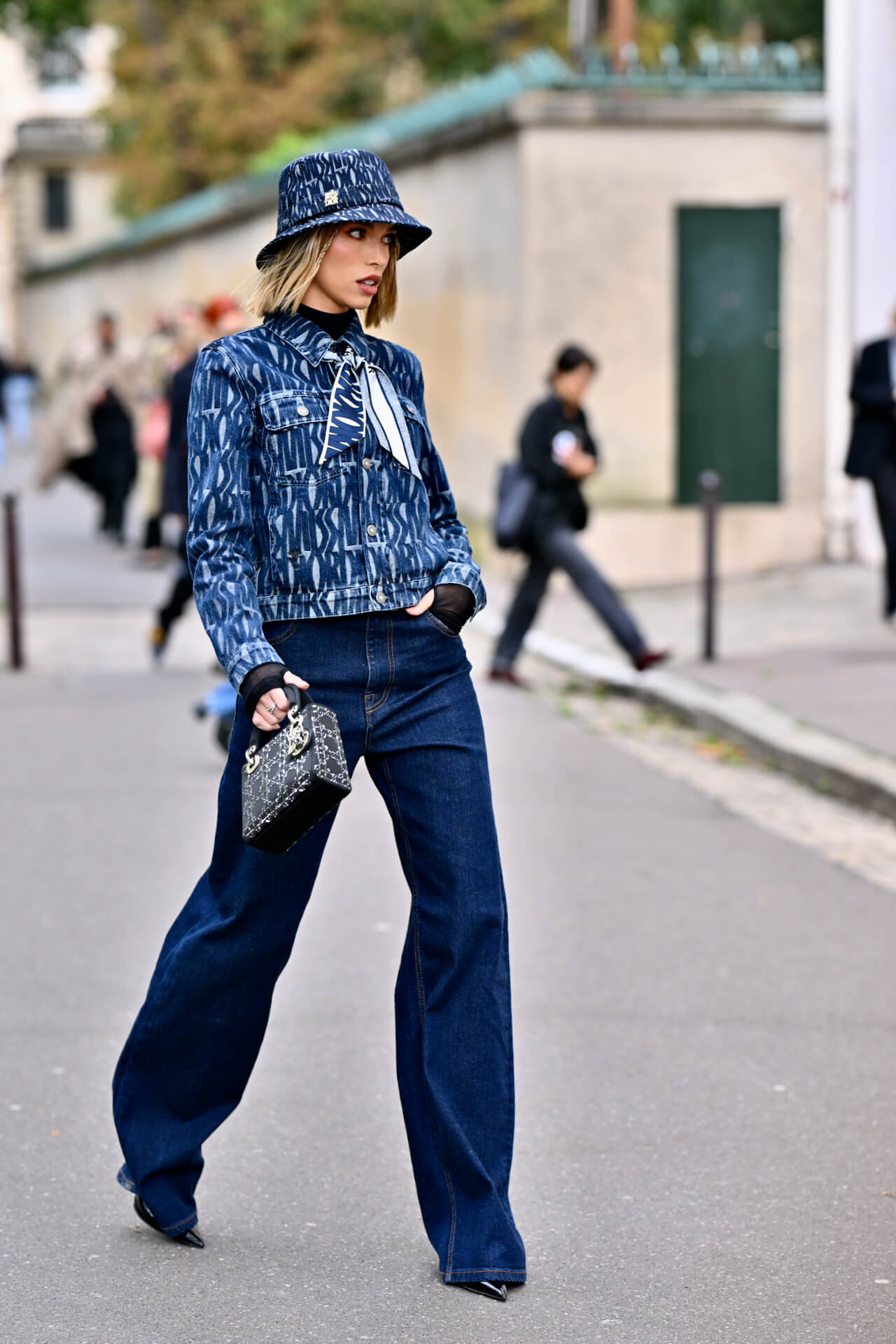
The mix & match is not an accumulation; it is a composition. It summons history without repeating it, twists the codes without denying them. And above all, it reveals one essential thing: it is not fashion that makes style, but the way one reads it, mixes it, claims it — sometimes out of sync, often with brilliance.
When worn correctly, contrast becomes coherence. And in this free dressing language, each piece — whether inherited or avant-garde — can become a signature.