
Reconcile the body and the plate, with grace and accuracy
This publication is also available in:
 Français
  Deutsch
  Italiano
  Español
  English (US)
There is a form of beauty that cannot be measured by numbers or centimeters. A beauty that arises from inner calm, from listening to oneself, from a peaceful relationship with the body. For a long time, this harmony has been disturbed by contradictory injunctions: control, count, restrict. Today, a new path emerges. Less punitive, more intuitive, it proposes a subtle reconciliation between the plate and the body, between desire and balance. A regained elegance that renounces nothing, except for guilt.
The Silent Traps of Restriction
The idea that one must deprive oneself to “find” oneself physically remains entrenched in minds. However, approaches based on brutal caloric restriction often lead to the opposite effect: slowing down metabolism, increased storage, fatigue, loss of motivation. In the long run, frustration generates a compensation spiral. This insidious cycle distances one from deep well-being. Reconciling the body and the plate is precisely about stepping out of this dialectic of control and thinking of transformation as a gradual, respectful, and sustainable adjustment.

Rethinking Rhythms: Gentle Intermittent Fasting
Among the recent practices that attract attention, intermittent fasting stands out for its flexibility. Whether it involves eating only between noon and 8 PM (16:8 method) or alternating partial fasting days, everyone can compose their own tempo. More than a diet, it is a way to naturally regulate appetite and restore the body’s self-regulation capacity. Several studies suggest that this approach could be as effective as a low-calorie diet while being better tolerated over time.
When Fat Becomes an Ally: The Revisited Ketogenic Approach
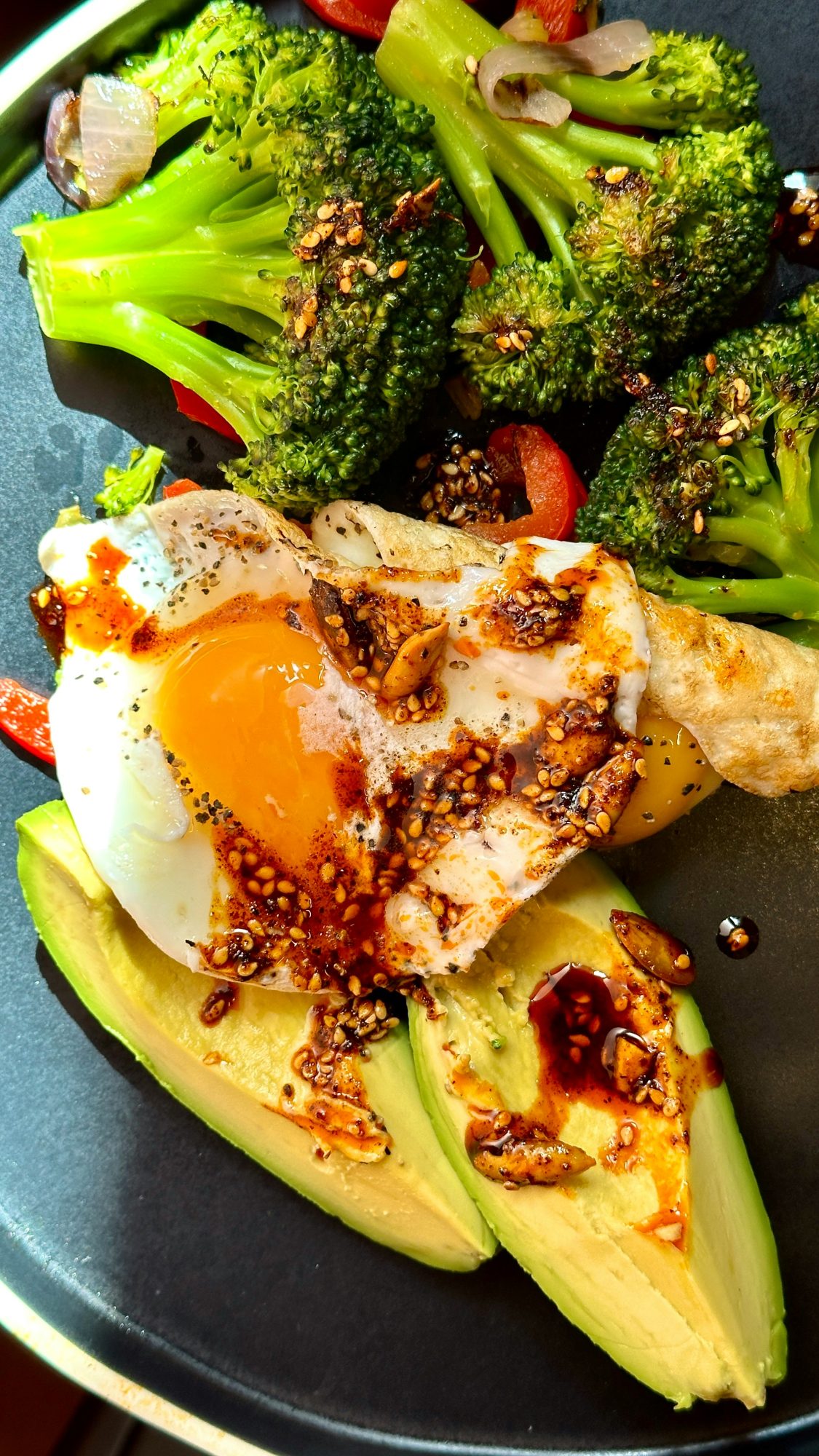
Long demonized, fats are regaining their nobility today. In the ketogenic diet, carbohydrate intake is reduced to a strict minimum, favoring healthy lipids: olive oil, avocado, fatty fish, nuts. This energy rebalancing promotes satiety, decreases blood sugar fluctuations, and facilitates weight regulation. A dietary refocusing that sacrifices neither taste nor pleasure. The promising results of this method confirm its potential, provided it is practiced with discernment.
Medical Advances to Consider with Discernment
For some individuals, particularly in cases of significant overweight or contraindications to specific diets, medical treatments may complement a holistic approach.
These treatments, belonging to the class of GLP-1 analogs, sustainably reduce feelings of hunger and thus allow for limiting food intake without generating frustration. They exist under various commercial names — such as Wegovy, and require a prescription. Their results, often significant in the long term, fit within a holistic approach that combines balanced nutrition and regular physical activity.
These are neither miracle solutions nor substitutes for movement, but complementary tools in a structured wellness strategy.
A Controlled Freedom: The Limits to Respect
Even the most natural methods require vigilance. Intermittent fasting is, for example, not recommended for children, teenagers, pregnant or breastfeeding women. Similarly, ketogenic approaches must be adapted according to metabolic profiles. Therefore, a medical consultation remains essential before any profound changes in eating habits.

Towards a Wellness Aesthetic
Reconciling the body and the plate means rejecting extremes. It is no longer about choosing between pleasure and balance, but about seeking accuracy. It is in this fluid space — between measured gestures and sincere listening — that a new wellness aesthetic is being built today. A silhouette that is free, alive, and inhabited. Without compulsion, without renunciation, but with an assumed grace.