Slow Winter for Kids 2025: How Families are Reinventing the Season at a Slower Pace?
This publication is also available in:
 Français
  Deutsch
  Italiano
  Español
  English (US)
A winter that slows down, softens, and envelops: families rediscover the season as a sensory and poetic refuge
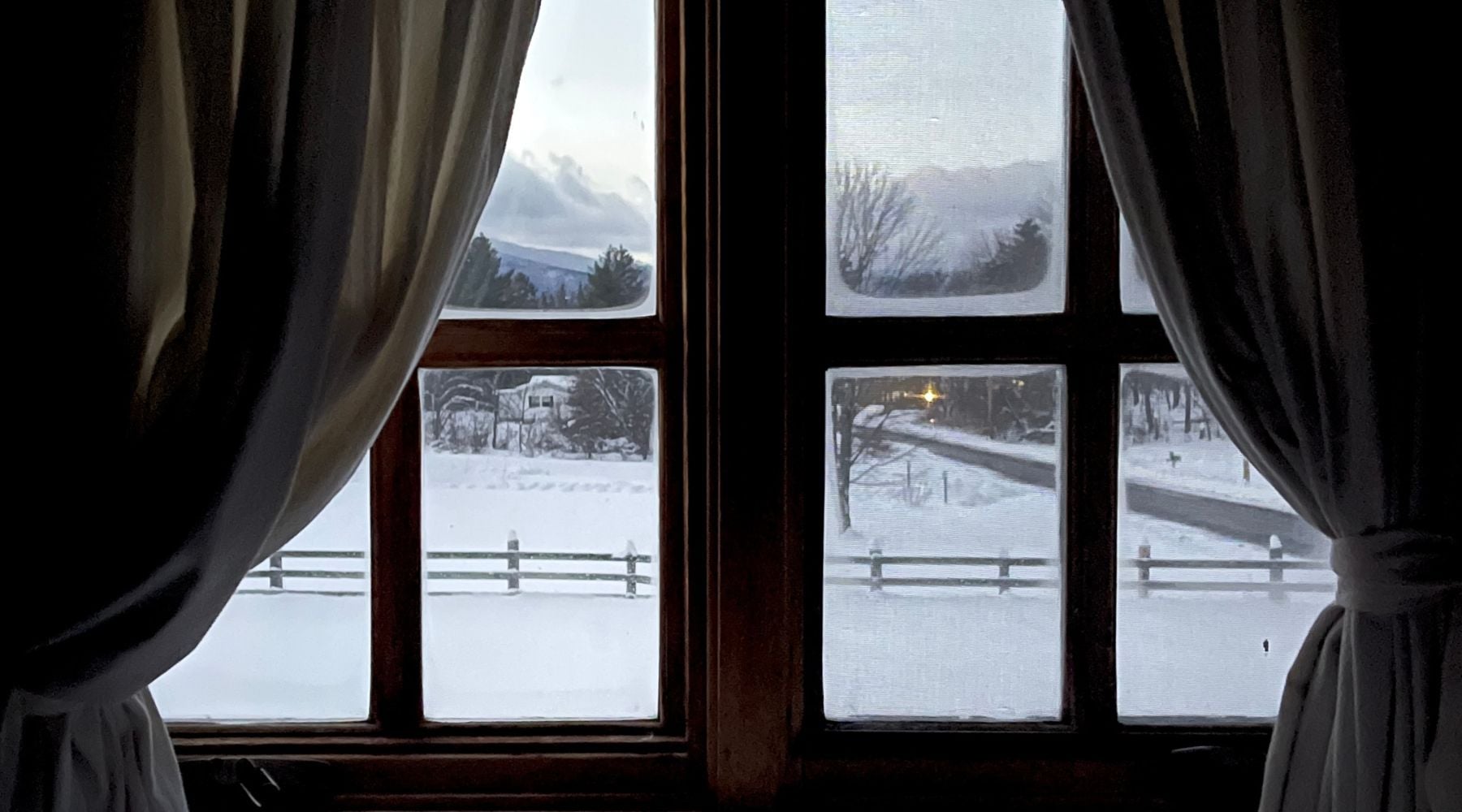
November is no longer just a doorway to the festivities, filled with short light and dry cold. For a new generation of parents, winter becomes a season filled with life, an interior time where short days invite us to take a step back. In 2025, the children’s universe deeply embraces the philosophy of slow living, driven by a growing need for deceleration in a saturated daily life. The pace settles down, gestures soften, materials become a language, and childhood regains the place of a world apart, protected from urgency.
In fashion, this movement is reflected in more enveloping silhouettes, a quest for premium comfort without sacrificing style, and a particular attention to textures: fine merino, technical fleece, ribbed knits, or brushed fabrics. In interiors, the season inspires more minimalist, subdued atmospheres, sometimes almost Nordic in their way of embracing natural light. Rituals are also being reinvented: late afternoons transform into sensory pauses between school pick-up and evening time.
This article explores how, little by little, families are reshaping their way of experiencing the cold season, no longer as an obstacle but as a space for calming. A winter that is quieter, more intentional, which places back in the center the beauty of details and the necessary softness of slowness.
A soothing winter: the rise of family slow living
The winter of 2025 marks a turning point in family lifestyles: the need to slow down has transformed into a genuine cultural movement. Inspired by Nordic countries, where the art of making long periods of darkness livable is almost a philosophy, families are adopting this more intimate relationship with the season.
Slow living is not an injunction to do less. It’s a different way of doing. Spending more time indoors does not mean locking oneself away, but investing in the home as a refuge that soothes. We pay more attention to light — diffuse, warm, almost liquid — to materials that soften gestures, and to the presence of children in a calmer tempo.
This movement also responds to a form of widespread fatigue. Urban rhythms are accelerating; screens capture attention; demands become constant. In response, families seek a counterpoint. They find in winter an unexpected ally: a pretext to reintroduce slowness, simple rituals, and transitional moments that restore structure to daily life.
It’s this quest for balance — between softness and functionality, between design and sensory experience — that redefines the season.
Soft silhouettes: children’s fashion that envelops rather than constrains
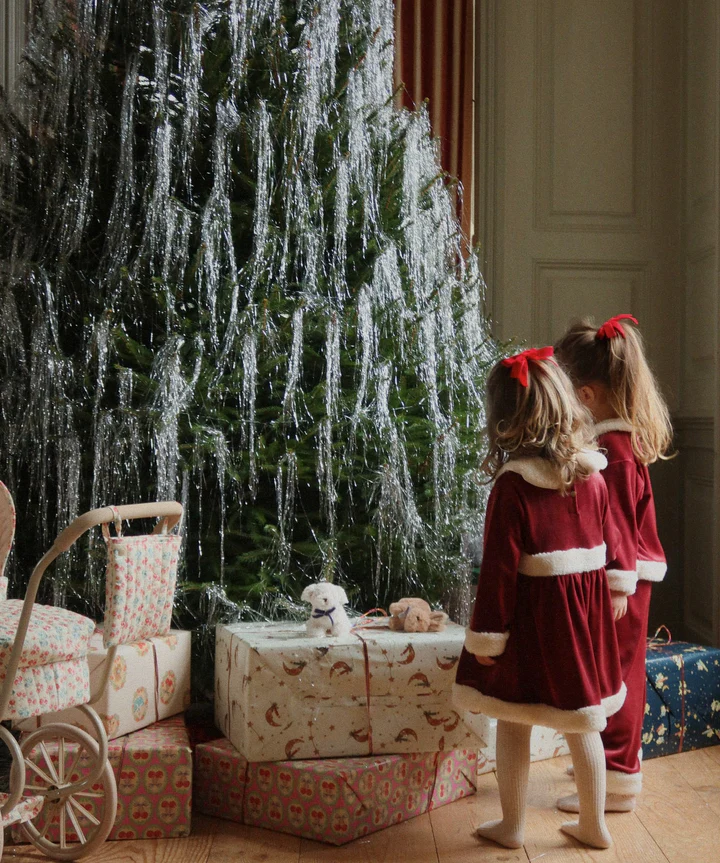
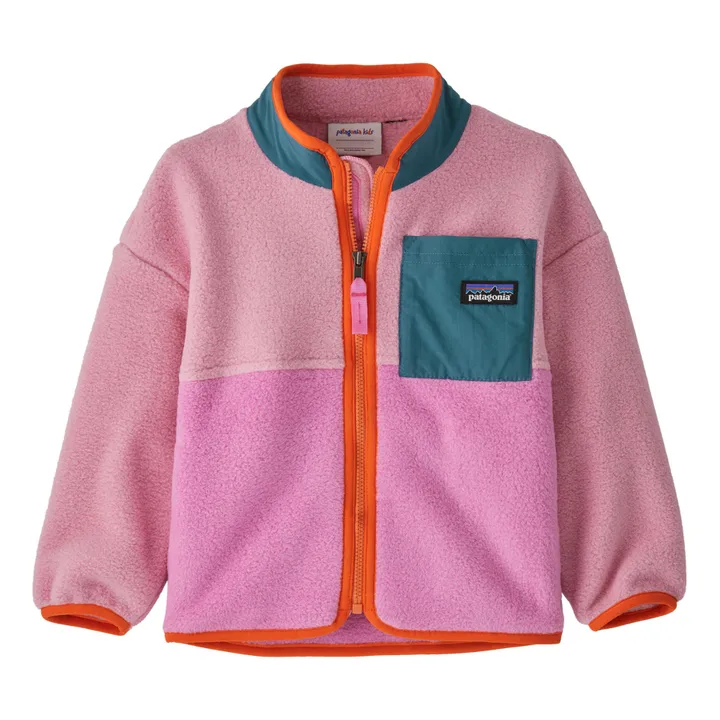
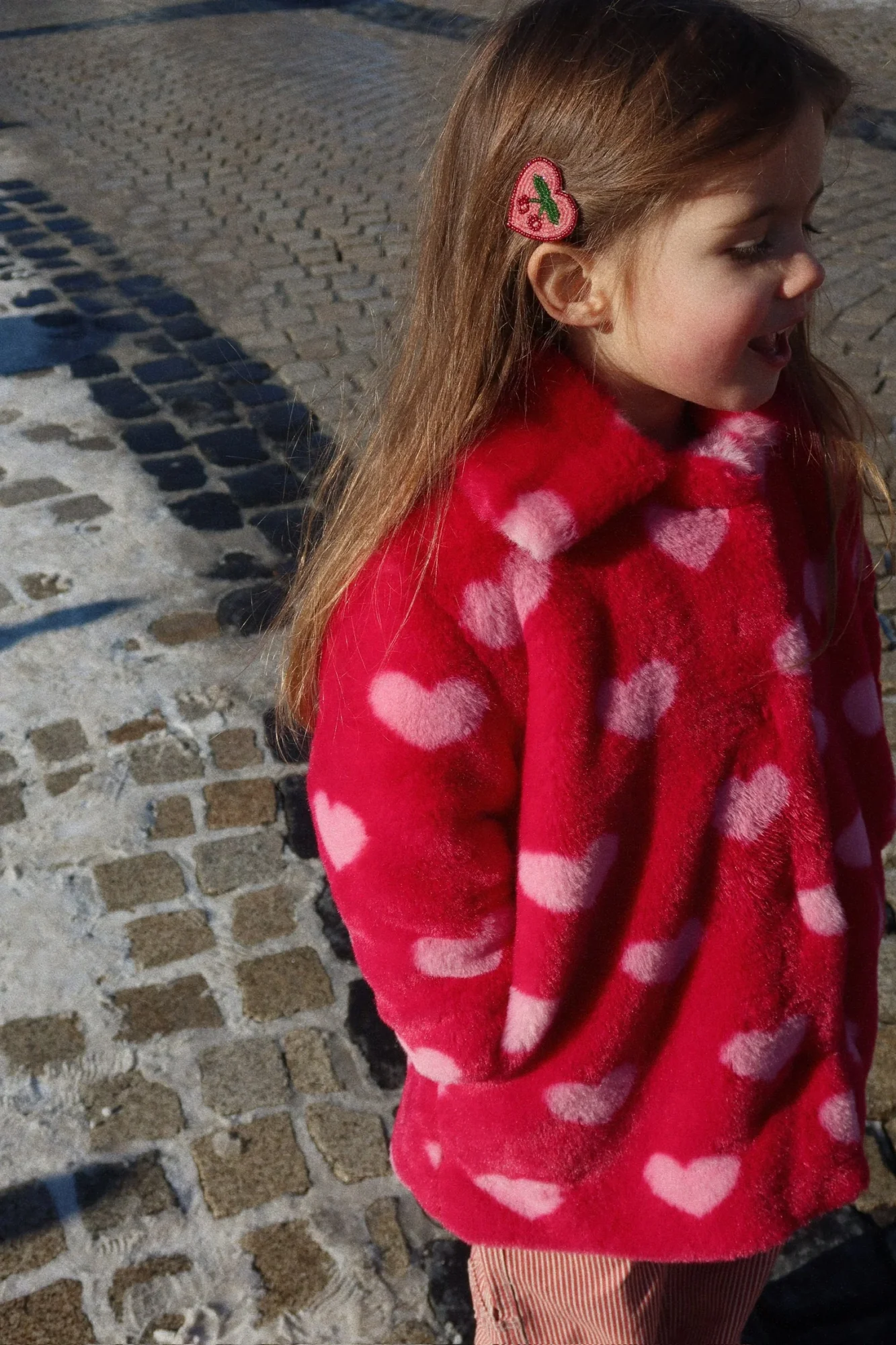
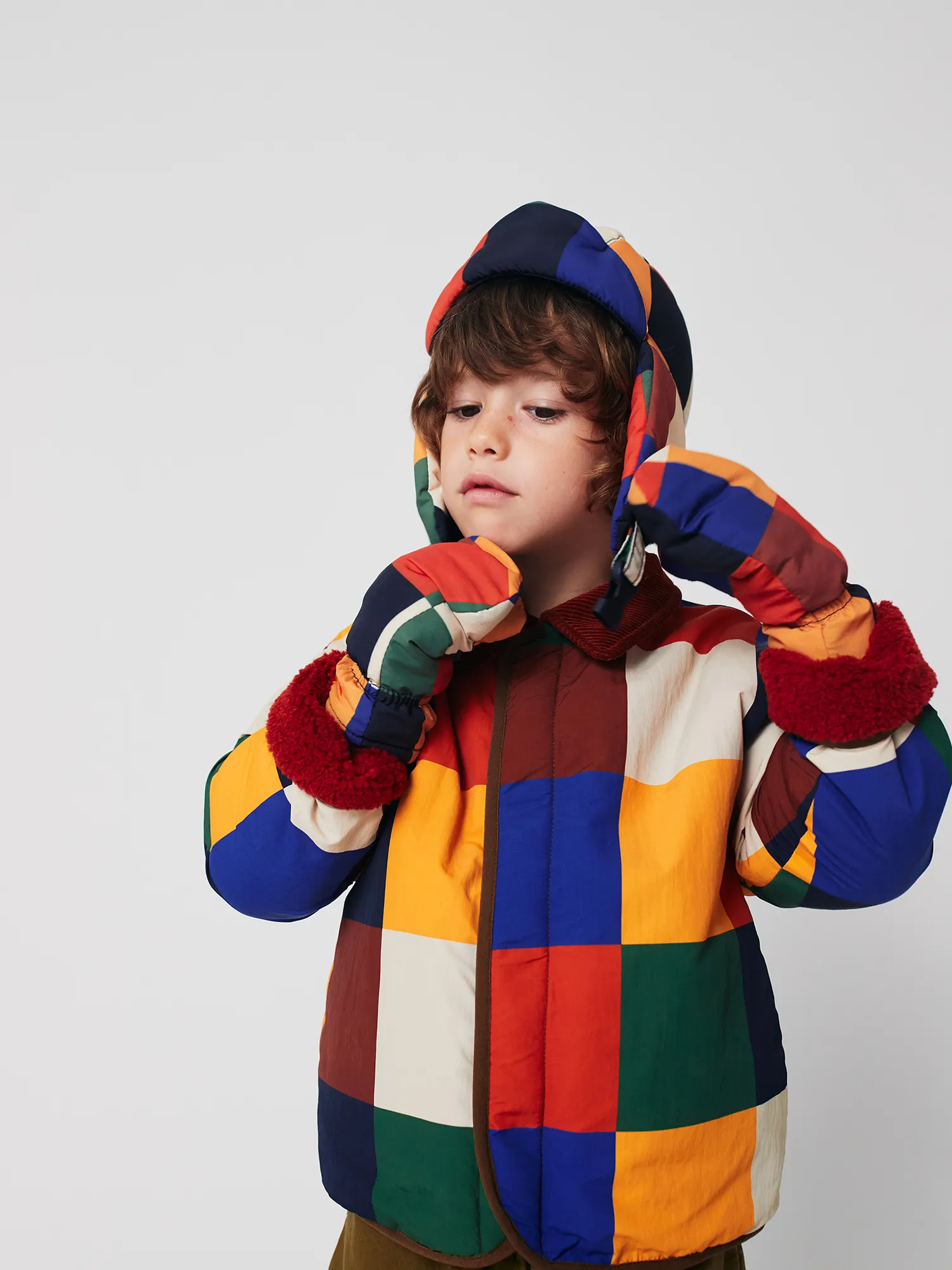
In children’s wardrobes, this revolution reads almost tactilely. The pieces become wearable cocoons, designed to accompany movements rather than constrain them. Brands favor technical and natural fibers: extra-fine merino found at Woolday, recycled fleece crafted by Patagonia Kids, or the soft, textured silhouettes from Bobo Choses and Konges Sløjd.
The volumes, in turn, move away from strict cuts. Oversized, when properly balanced, becomes a way to offer freedom. Quilted jumpsuits, cozy vests, and lightweight but insulating ribbed knits make up this new winter landscape.
Layering — the art of overlapping without overloading — establishes itself as a pillar of chic winter for children. It allows for modulation of warmth, plays with textures, and reveals a flexible and evolving silhouette.
Color also follows this trend: sandy tones, frost gray, earthy brown, moss green. A calming palette borrowed from nature that aligns with the more minimalist interiors of the season. The children’s fashion of winter 2025 is not indulgent: it is precise, functional, but always wrapped in discreet poetry.
Cocoon home: creating an indoor environment that invites calm
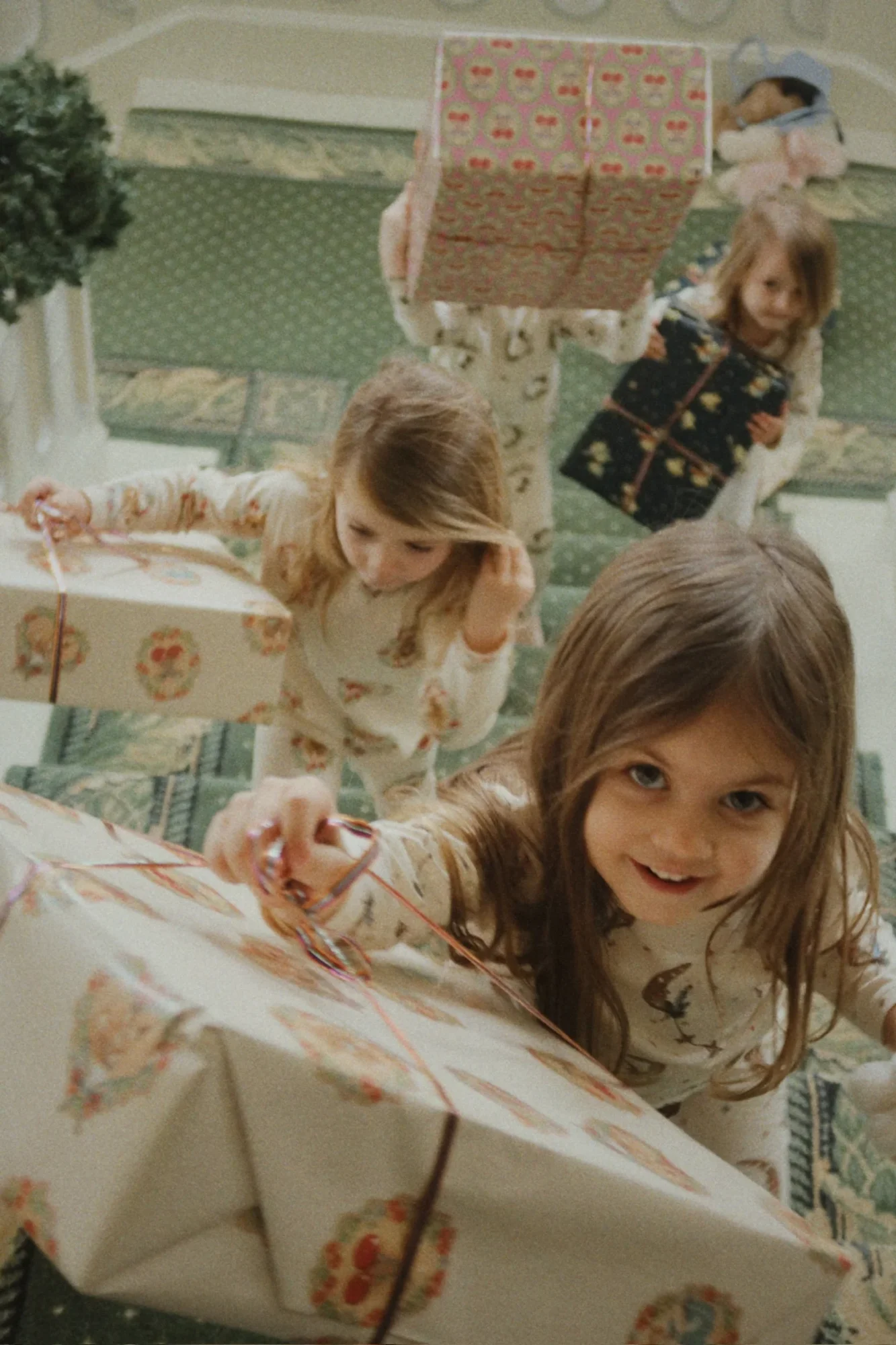
If fashion reflects a new state of mind, the home becomes the main stage. Family interiors adopt a sober aesthetic where light plays a determining role. Dimmable lamps, fine garlands, and luminous biscuits create an enveloping atmosphere conducive to calm. Fabrics also contribute to this transition: thick curtains, textured throws, soft rugs underfoot.
The goal is not to multiply objects but to make spaces legible. Slow winter encourages more airy children’s rooms, better-defined play areas, and natural materials that stimulate without overwhelming. Light wood, cork, boiled wool, and cotton gauze create a clean yet warm decor where the eye can breathe.
After school, the home becomes the place where one settles down. Outer layers are removed, softer clothes are donned, and the light is dimmed slightly. This shift towards evening creates an emotional transition that soothes both children and adults. It’s here that slow living takes on its most concrete dimension: in the way we inhabit the moment.
Micro-rituals: the poetry of small gestures that pace winter
The slow winter rests on an architecture of tiny gestures. A walk in a snowy park. An herbal tea prepared together. A book leafed through in shared silence. A homemade playdough workshop, with the vanilla scent filling the kitchen. These micro-rituals, far from being anecdotal, become the backbone of the season.
They provide children with a stable framework, a breath in the day, a sensory anchor. Families also rediscover the importance of the winter outdoors: short but regular outings, inspired by Scandinavian practices, boost immunity, clear the mind, and strengthen the bond with nature even when light is scarce.
These gestures, quite simple in essence, have immense significance: they create a seasonal memory. They transform winter into an intimate narrative, made of gentle rhythms, suspended moments, and a new focus on the essential.
Slow winter is not a fleeting trend: it outlines another way of inhabiting the world, calmer, more conscious, more connected to sensations. A season that, far from being endured, becomes an opportunity to refocus and offer children — and oneself — an inner space where softness regains its place. An invitation to slow down without giving up beauty.
Photos: Pinterest & Dupephotos