The Levant’s quiet revolution on british plates
From Tel Aviv’s sunlit markets to the twilight kitchens of East London, something quietly radical is happening on British plates. Levantine chefs — many of them Arab Israelis — are reshaping the country’s culinary landscape not with fanfare, but with flavour.
In their hands, food becomes a form of soft power: fragrant, sensual, deeply rooted in memory. And somewhere between pomegranate molasses and smoky aubergines, they’re rewriting the cultural script of modern British dining.
A cuisine born of complexity
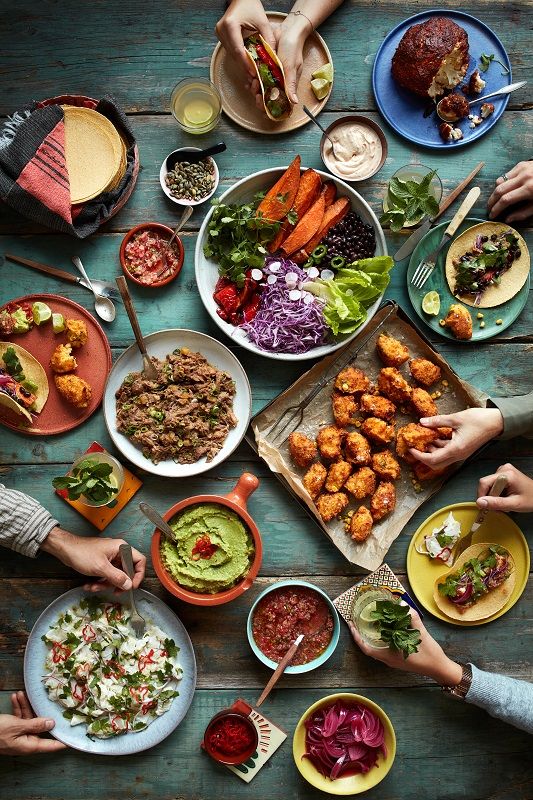
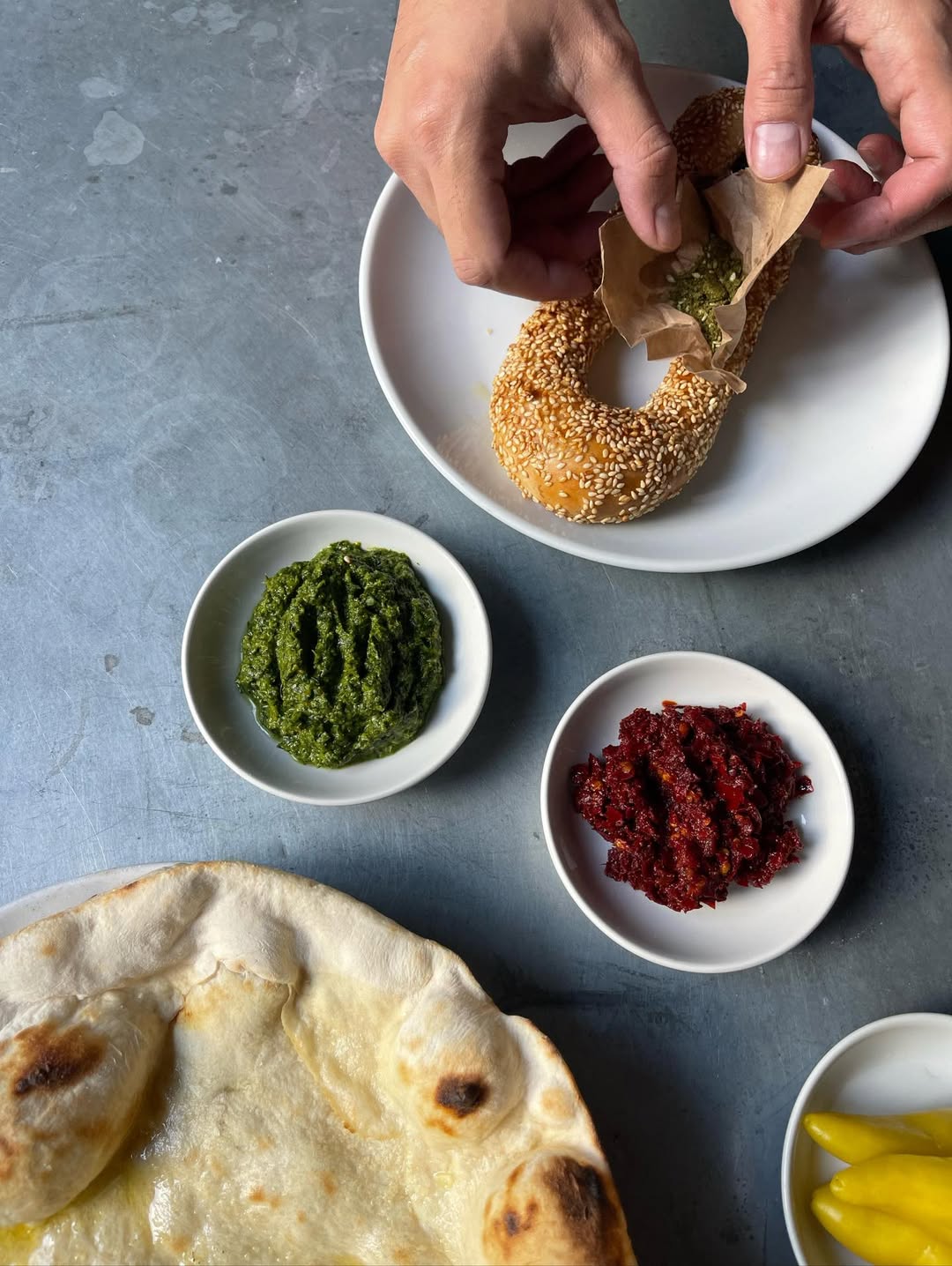
Levantine food, with its roots in Palestine, Lebanon, Syria, Jordan, and Israel, is more than a set of regional dishes — it’s a sensory language. Built on shared plates and seasonal ingredients, it celebrates fresh herbs, earthy spices, fire-cooked meats and plant-based staples. Think za’atar-sprinkled flatbreads, grilled aubergine, sumac-dusted salads, and labneh so creamy it needs no introduction.
There’s a quiet generosity to this cuisine, an instinct for gathering and sharing. It feels intimate, yet effortlessly social — and perhaps that’s why it resonates so strongly in today’s Britain, where conscious dining is becoming the new standard.
Chefs between cultures, stories in every dish
At the heart of this movement is a generation of chefs who embody duality. Many are Arab Israelis — raised where traditions collide, not clash — and their cooking reflects that. There’s nostalgia, yes, but also a refusal to be confined by heritage. This is food that acknowledges borders but doesn’t respect them.
Yotam Ottolenghi, of course, is its most recognisable ambassador — a culinary auteur whose celebration of vegetables and spice has transformed how Britain cooks at home. But behind the Ottolenghi phenomenon is a broader cultural wave: chefs like Sami Tamimi, his longtime collaborator, whose quiet storytelling through food continues to shape the narrative of Levantine cuisine in the UK.
Palomar: Jerusalem, refracted through Soho
In the electric intimacy of Palomar in Soho, chef Asaf Granit captures the pulse of modern Jerusalem — not as postcard, but as emotion. There’s theatre here, yes — a kitchen open to the street, chefs flaring flames and plating with flair — but there’s also poetry in the chaos.
Plates arrive in quick succession: velvety kubaneh bread, aubergine smoked to its soul, labneh kissed with lemon. The effect is exhilarating, but never overwhelming. Palomar feels less like a restaurant, more like a rhythm — an edible dance of past and present.


Barbary: a secret fire in Covent Garden
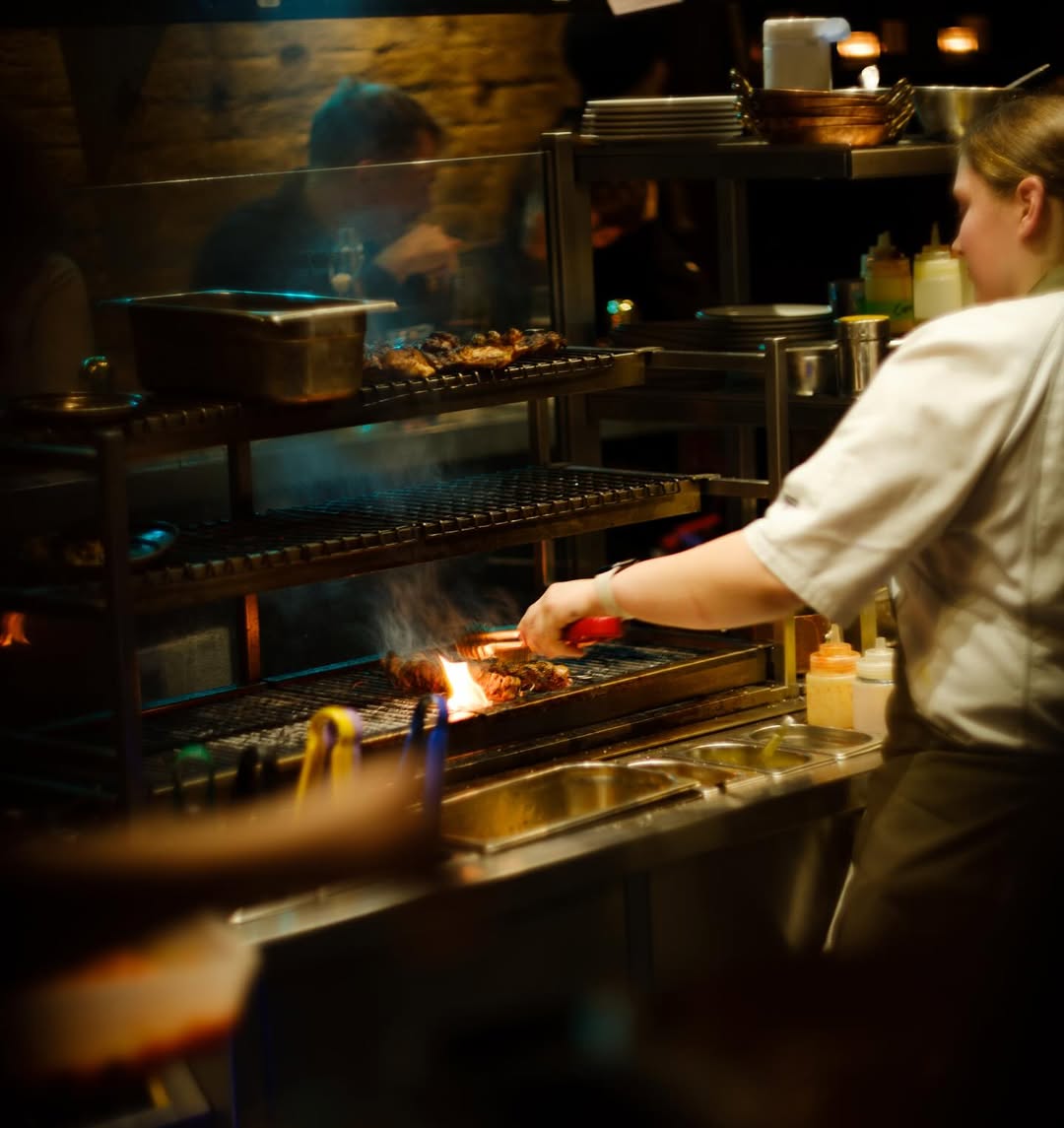
If Palomar is the pulse, then Barbary in Covent Garden is the whisper. Tucked into the fairy-lit corner of Neal’s Yard, its U-shaped counter encloses a kitchen defined by smoke and silence. Here, the fire is everything — not just for cooking, but for telling stories older than words.
Inspired by the Barbary Coast, this intimate space offers grilled meats, charred breads, and vegetables blistered to perfection. But beneath the elemental simplicity is a philosophical depth. Barbary isn’t nostalgic; it’s ancestral. A place where the act of eating feels strangely sacred.
Why Britain is embracing the Levant
The appeal goes beyond flavour. Levantine food carries a kind of cultural weight that many contemporary diners are hungry for. It’s about origins — where we come from, what we carry, how we connect. It speaks to sustainability, yes, but also to a return to emotional eating — food that nourishes as much as it surprises.
In a country once obsessed with reinvention, there’s now a collective yearning for something older. Levantine chefs offer exactly that: not innovation for innovation’s sake, but a return to meaning. To intimacy. To food as a kind of language.
A revolution served slowly
From east London to Manchester’s Northern Quarter, Levantine restaurants are multiplying — not as a passing trend, but as a sign of a broader cultural shift. These chefs are no longer just introducing dishes; they’re reshaping the language of British dining.
What they offer is more than cuisine. It’s a shared history, a tactile form of storytelling, and an invitation to rethink what we eat, and why. In reimagining the English table, these chefs aren’t just feeding a nation — they’re flavouring its future.