Padel, style’s quiet revolution
There are shifts in fashion and sport that announce themselves loudly — and others that unfold with restraint. Padel belongs firmly to the latter. Emerging quietly across urban courts and private members’ clubs, it has become less about competition than about cadence, posture, and presence. Neither ostentatious nor performance-obsessed, it reflects a contemporary desire for balance: movement without excess, elegance without effort.
In the UK, padel is no longer simply a game gaining traction; it is becoming a cultural signal. One that speaks to a certain way of living — sociable yet focused, active yet composed — where style is not added on, but embedded in the experience itself.
A sport that chose discretion over spectacle
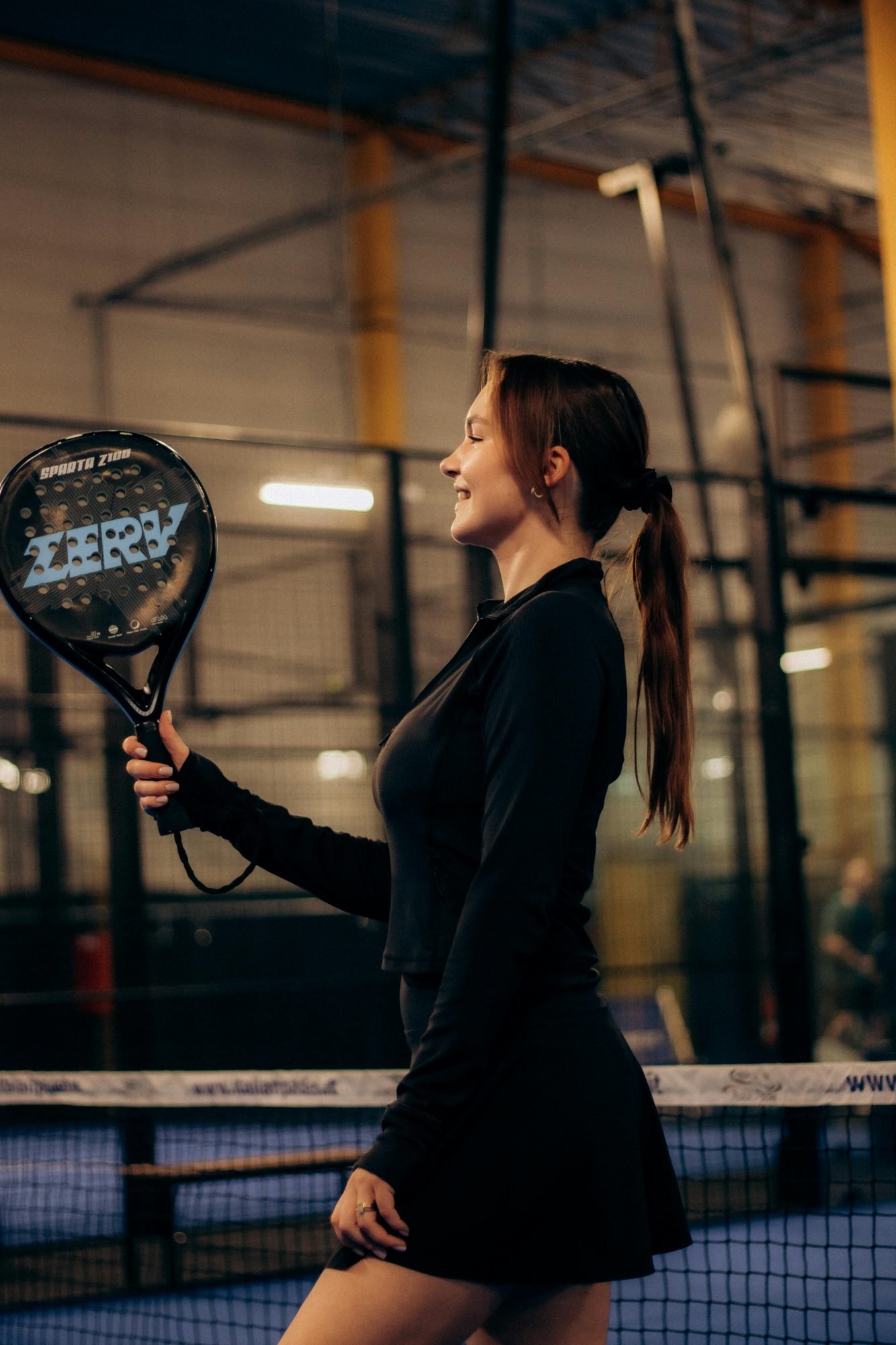
Unlike sports built on power or display, padel thrives on nuance. The court is compact, the exchanges strategic, the energy contained. There is something inherently appealing in its restraint — a rhythm that rewards precision over force, intuition over intensity. It is this quality that has drawn in a new audience: women who value control, fluidity, and quiet confidence.
Padel does not demand attention; it earns it. And in doing so, it mirrors a broader shift in how style itself is perceived — less about visibility, more about intention.
From private courts to cultural marker
Once confined to Spain and Argentina, padel’s rise in Britain has been gradual and selective. It first appeared in discreet settings — private clubs, design-led leisure spaces — before finding its way into the routines of a style-aware crowd. In London, it now sits comfortably alongside Pilates studios, curated cafés, and concept stores, forming part of a lifestyle defined by considered choices.
What makes padel resonate is not its novelty, but its compatibility with modern values: social connection, wellbeing, and a refined sense of self. It has become a marker of taste rather than trend — recognisable to those who know, invisible to those who don’t.
Where performance softens into style
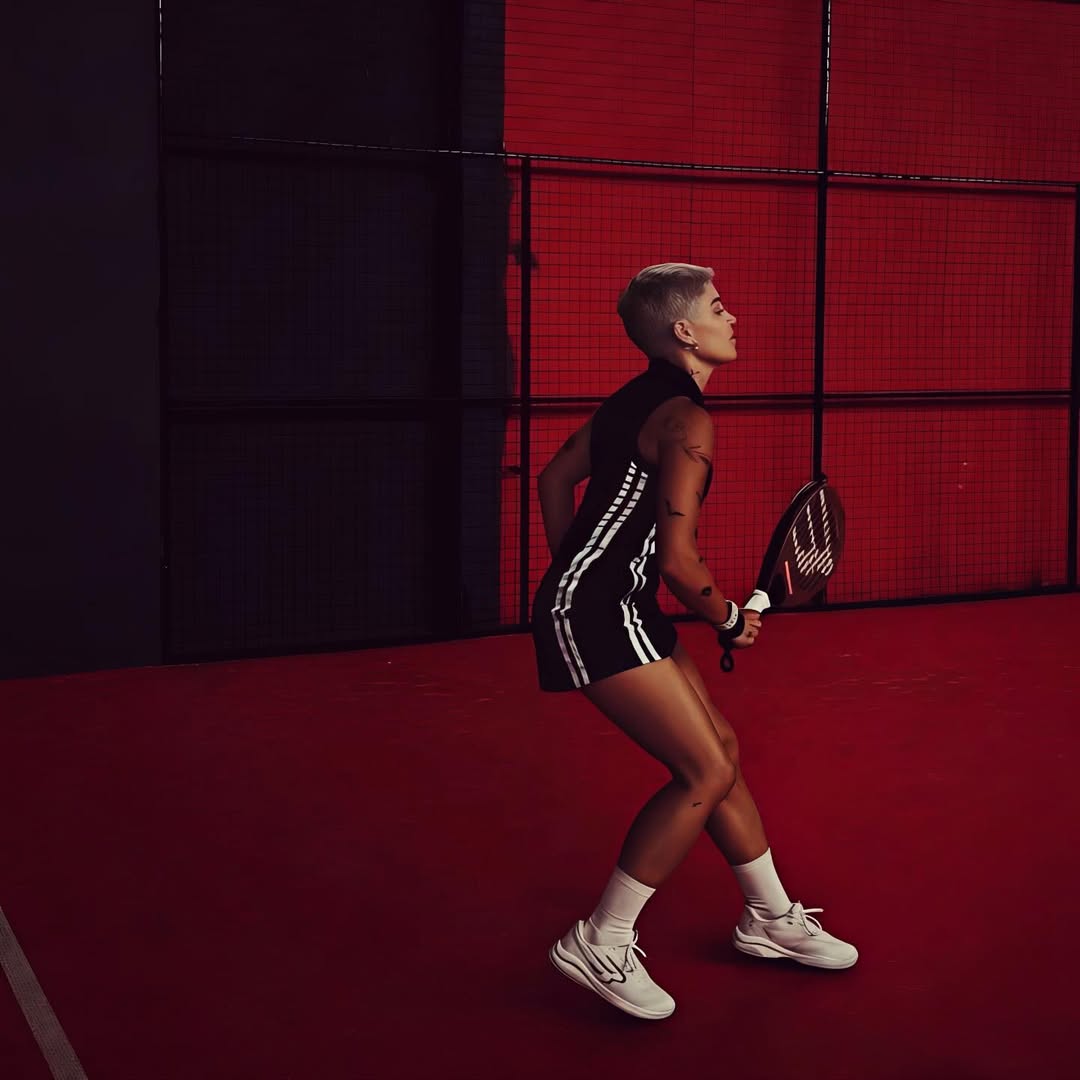
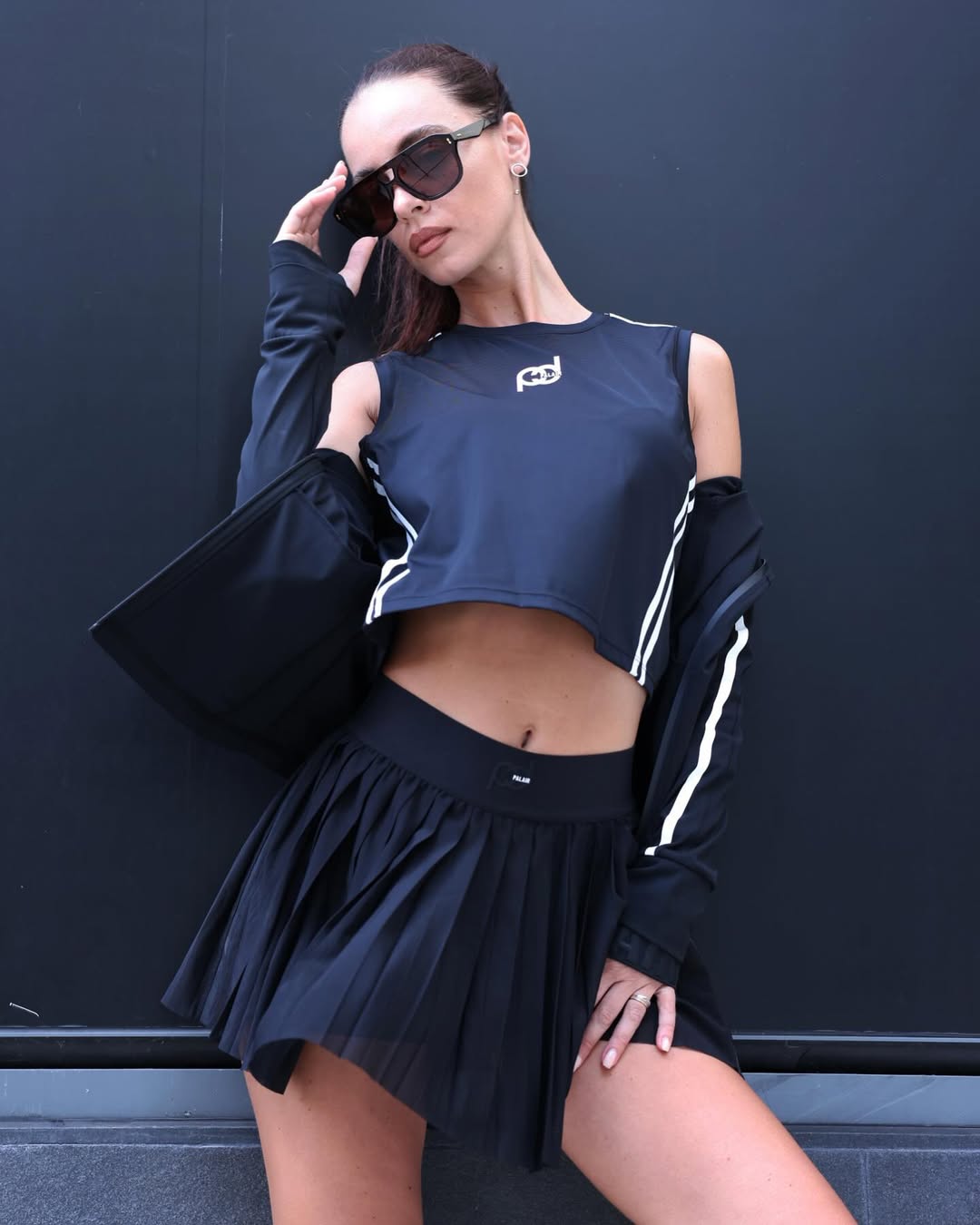
As padel’s cultural presence has grown, so too has its aesthetic language. Traditional sportswear, once dominated by logos and rigidity, is giving way to something more nuanced. Clean lines, technical fabrics, muted palettes — clothing that responds to movement without drawing attention to itself.
In this context, Palair padel clothing reflects a considered approach to modern sportswear. The brand favours structure over statement, offering pieces designed to support movement while maintaining a refined, architectural silhouette. It is clothing that feels as intentional as the sport itself — precise, restrained, and quietly confident.
A new aesthetic, defined by balance
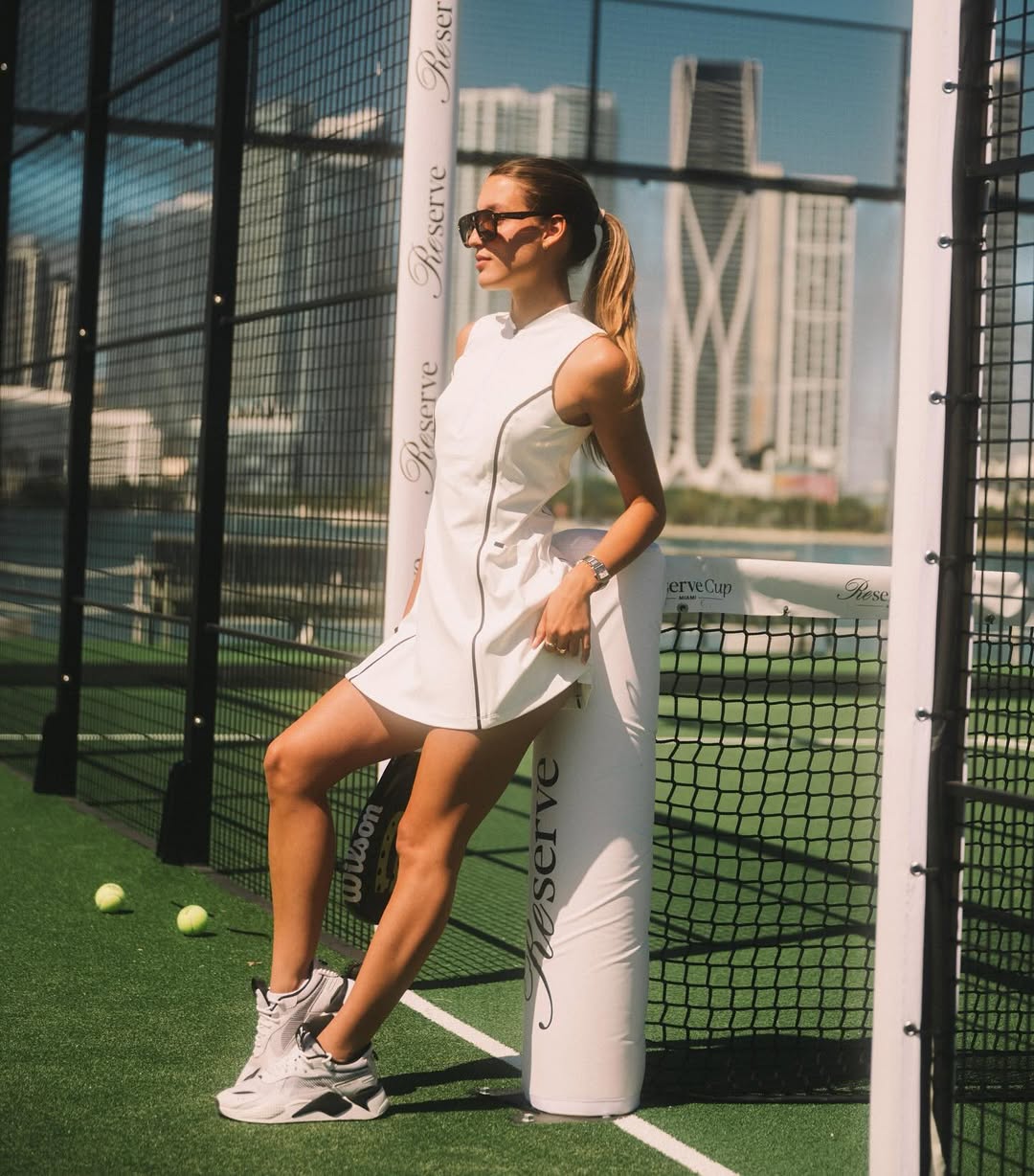
Padel’s influence extends far beyond the game itself. It signals a broader aesthetic shift — one that values balance over bravado, longevity over novelty. This is a form of elegance rooted in movement and mindfulness, where what you wear supports how you live.
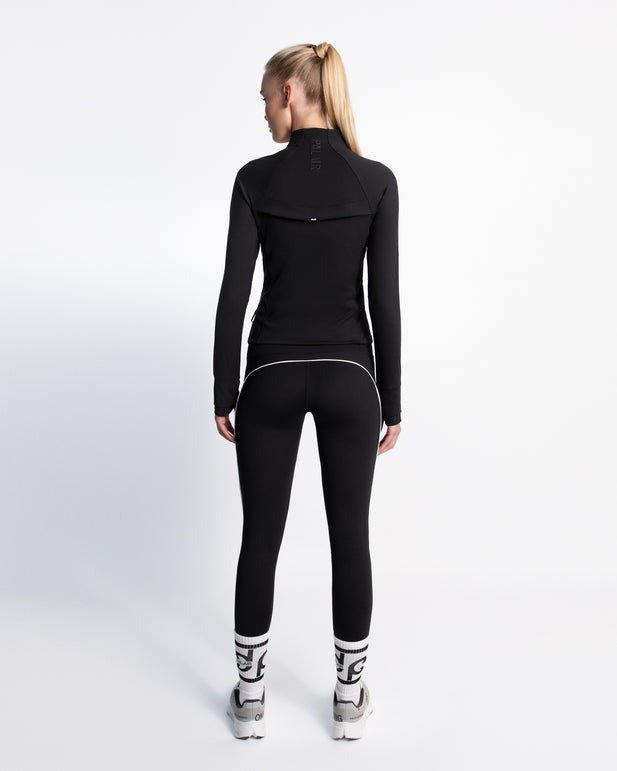
At the heart of this aesthetic are foundational garments that allow the body to move freely while maintaining composure. Well-cut layers, breathable fabrics, and refined base pieces form the backbone of the padel silhouette. Among them, thoughtfully designed women’s sports leggings stand out not by calling attention to themselves, but by offering sculpting support, technical ease, and a finish refined enough to transition effortlessly beyond the court.
To step onto a padel court today is to participate in a quiet revolution: one that redefines sport as an extension of style, and style as an expression of restraint. It is not about being seen, but about being aligned — with one’s body, one’s environment, and one’s sense of self. And in that subtle harmony lies its enduring appeal.