
Men’s shirts: the brands that stand out
This publication is also available in:
 Français
  Deutsch
  Italiano
  Español
  English (US)
The shirt is far from a detail in the male wardrobe. It is often the cornerstone, the element that adds structure to dark jeans, precision to loose trousers, or depth to a more classic silhouette. However, one must choose the right brand. Because everything hinges on what does not immediately catch the eye: a collar that holds without stiffness, a poplin that retains its sharpness, a cut that follows the body without constraining it.
Charvet, the essence of great Parisian style
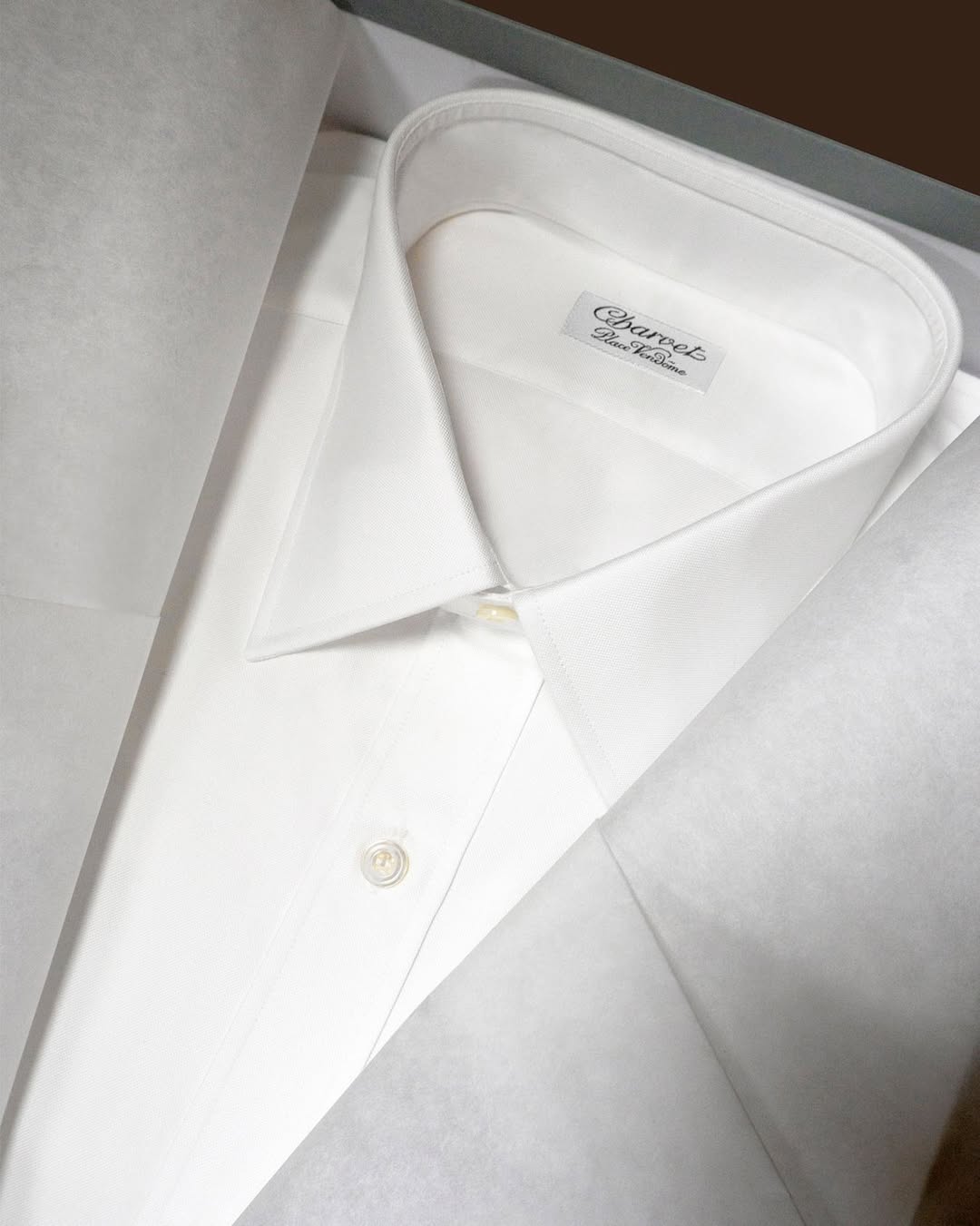
Some brands stand out through a silent mastery, and Charvet remains an almost untarnished reference in this regard. Founded at Place Vendôme, this Parisian house embodies a very French idea of the shirt: noble, exact, precious without ostentation. Its fabrics, finishes, and sense of bespoke tailoring make it less a mere brand than a landmark in the history of the male wardrobe. At Charvet, the dress shirt retains something ceremonial, yet never appears frozen.
Le Chemiseur, or contemporary precision
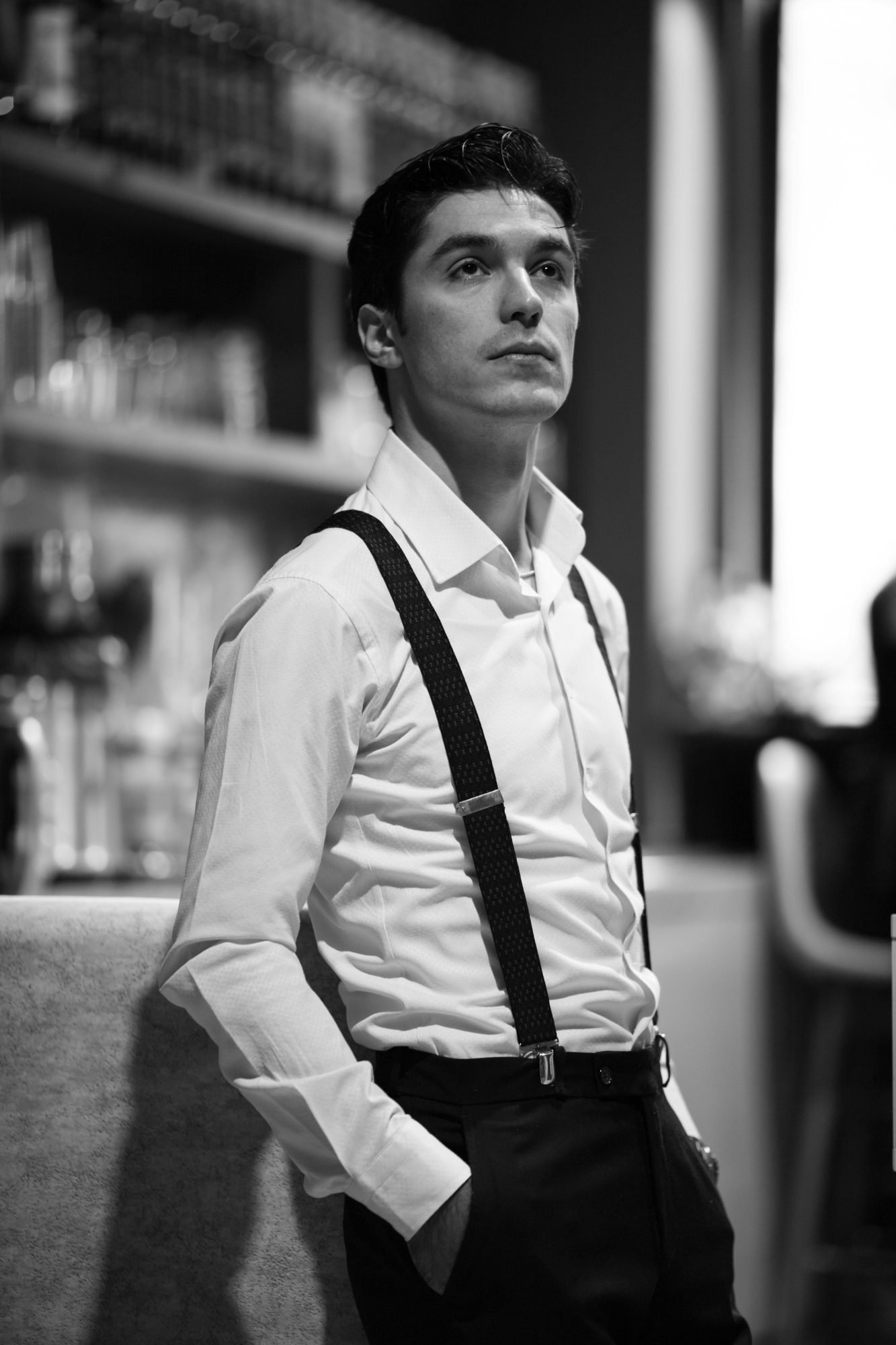
In contrast to this heritage tradition, other brands are today reformulating the demand with contemporary tools. Le Chemiseur fits into this dynamic with a bespoke approach designed to address the limitations of standardized ready-to-wear. The promise is not one of demonstrative luxury, but of a precise cut, tailored for real morphology, with the very current idea that a beautiful shirt begins with good proportion. For those seeking bespoke shirts, this approach provides a particularly relevant response. At a moment when men’s fashion is more willingly seeking precision rather than effect, this proposal naturally finds its place.
Officine Générale, Balibaris, Hartford: three interpretations of everyday chic
Everyday chic is also written at Officine Générale, Balibaris, and Hartford, three French houses that each defend a unique interpretation of the shirt. Officine Générale works with a sober, almost architectural elegance, where relaxed volumes meet impeccable materials. Balibaris prefers a more urban, sharper line, made of discreet tones and cuts that easily integrate into a contemporary wardrobe. Hartford, finally, leans towards a more relaxed style, with its washed linens, soft textures, and taste for a less rigid but never careless look.
GANT, Seidensticker, Eton: rigor well worn
Other references stand out for their consistency. GANT remains a reliable name for lovers of well-constructed Oxford shirts and easy-to-wear styles, inherited from a still-relevant preppy imagery. Seidensticker, more discreet in France, charms with its seriousness and the fit of its dress models. As for Eton, the Swedish house has made a name for itself among men attentive to collar construction, fabric quality, and the kind of rigor that makes all the difference in everyday use.
What truly distinguishes a shirt house
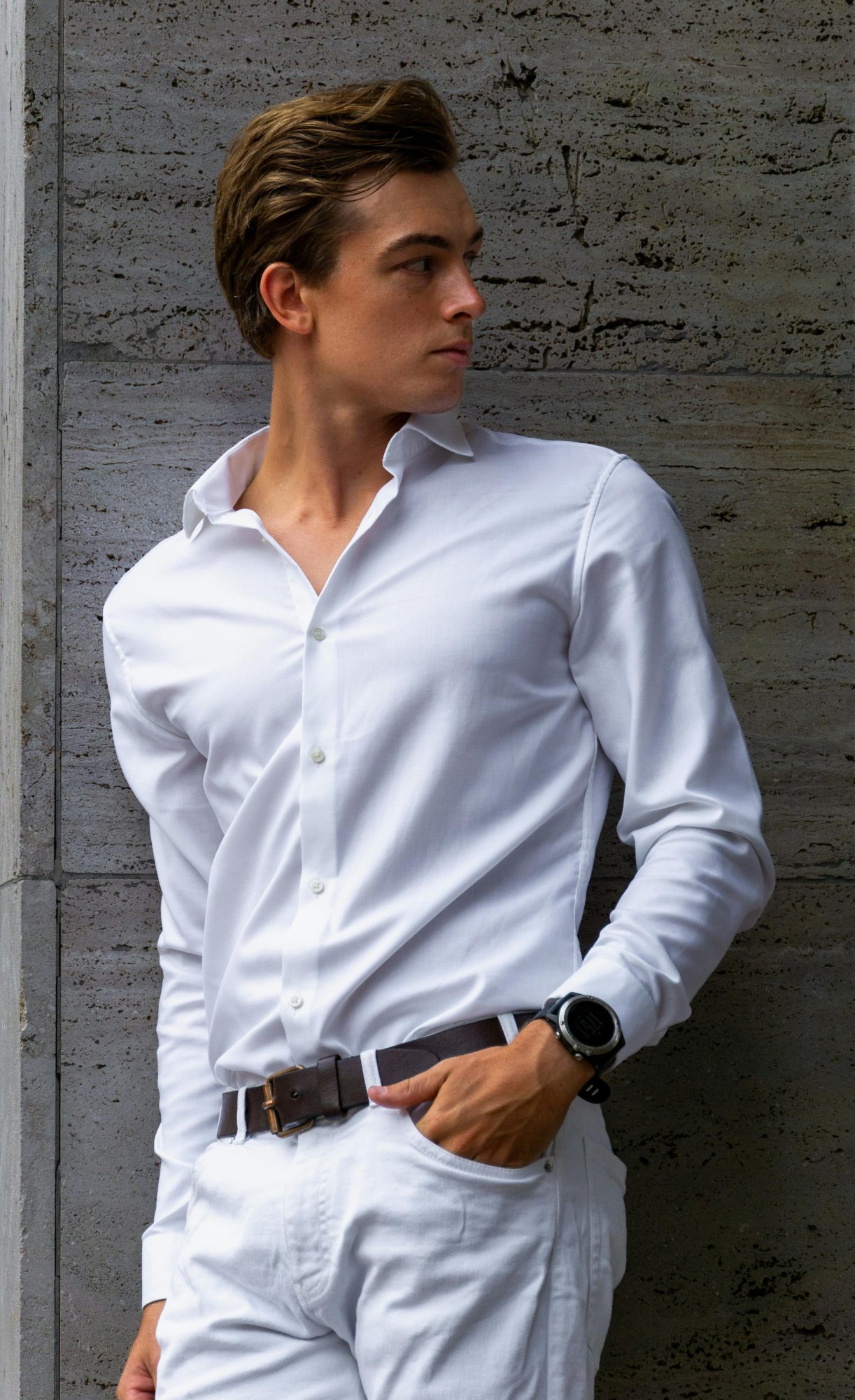
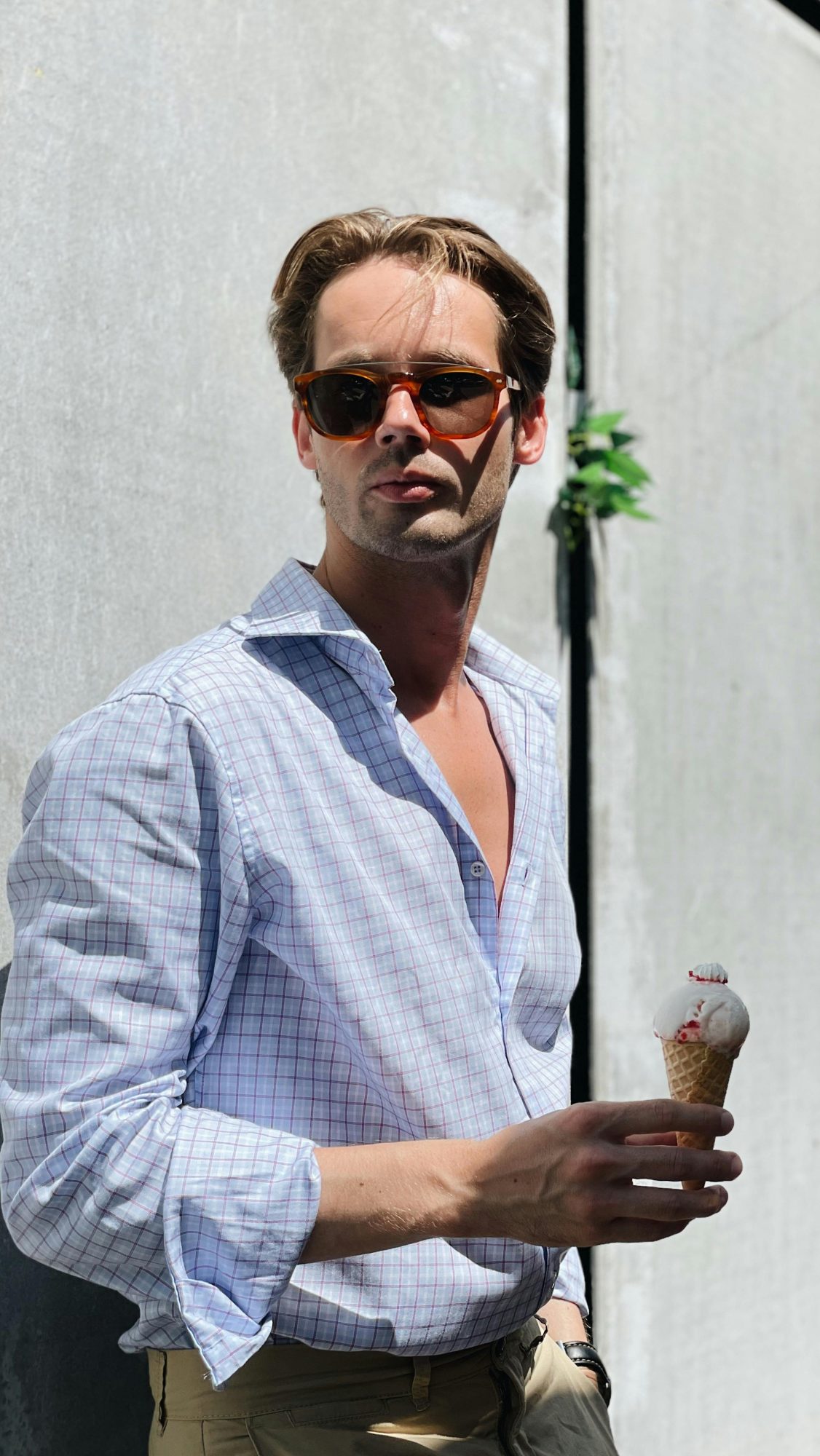
What truly distinguishes a shirt house thus lies neither in the logo nor in the price alone. It is reflected in the fall, in the way the shoulder line structures the silhouette, in the consistency from one collection to another. A remarkable shirt does not seek to draw attention too quickly; it imposes a style more than it displays a status. And it is perhaps here that true masculine luxury resides today: in this confident, precise, almost restrained elegance that only certain houses still know how to create. This demand also fits into a broader reflection on the male wardrobe, its coherence, its durability, and its ability to translate a personal style.