Failure of Matches Fashion: the end of multi-brand e-commerce?
This publication is also available in:
 Français
  Deutsch
  Italiano
  Español
  English (US)
Acquired in December 2023, the new owners of Matches Fashion announced its judicial recovery last month. This case, which is not unique, underscores the challenges faced recently by multi-brand e-commerce sites. Between the decline in the attractiveness of the luxury market and the growing interest of brands in the DTC e-commerce model, various factors explain the fall of the brand recently acquired by the Fraser group. Should we anticipate the end of retail sites?
How did Matches Fashion end up in bankruptcy?
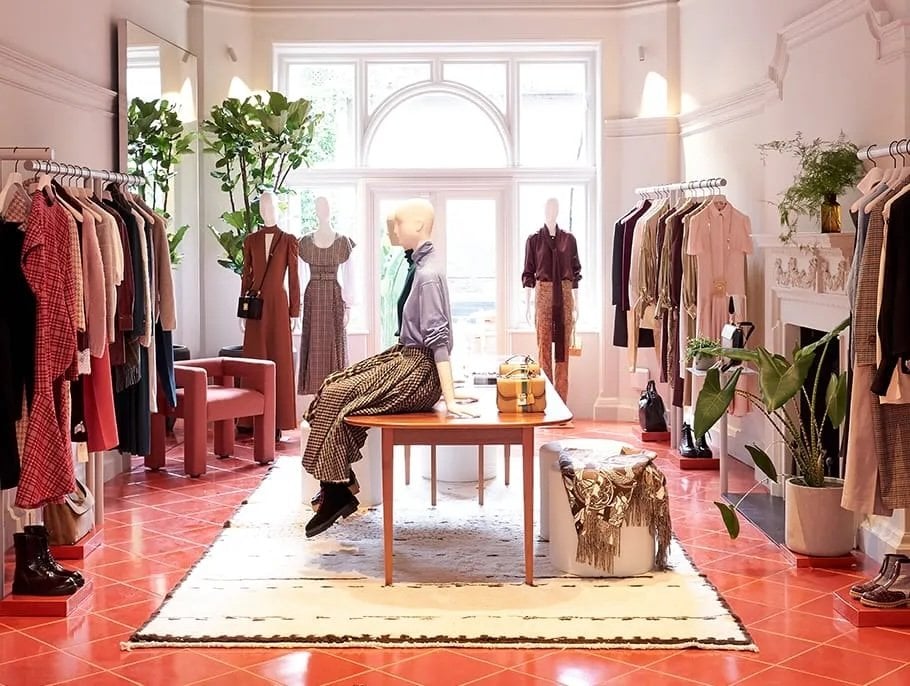
Before reaching bankruptcy, Matches Fashion was a model of success in the luxury sector, as well as a reference for spotting trends. Founded in Wimbledon in 1987 by Tom and Ruth Chaan, the brand initially established itself with a physical store. Featuring pieces from renowned designers as well as new talents, this high-end multi-brand boutique model quickly gained popularity and expanded to about ten London locations in just a few years.


2007 marked the launch of Matches Fashion’s e-commerce activity. Consequently, this opened the doors to the international market, which has stood out as the strongest on the platform over the years. In total, more than 450 brands are listed on matchesfashion.com, alongside the expansion of the brand’s reach through multiple channels (dedicated site for the French market, web and print magazine, mobile app…).


However, despite the arrival of Apax Partners among the major shareholders in 2017, and then Nick Beighton (former CEO of Asos) as the new CEO in 2022, Matches Fashion faced numerous challenges over the years. Unmet objectives and highlighted losses began to characterize the annual reports of the brand. A new chapter, full of hope, began last December with its acquisition by Fraser. However, the announcement of its judicial recovery a few weeks ago suggests a disappointing outcome.
Why did the Fraser group want to revive Matches Fashion?
A significant player in the luxury sector, Fraser is particularly noted for the rapid growth of its Flannels brand, alongside its eponymous brand and Sport Direct. Aiming to enhance its high-end offering and provide privileged access to the finest brands, the British clothing group acquired Matches Fashion in December 2023. The idea: to combine the strengths of the two units. Specifically, to leverage its expertise to revive the Matches Fashion brand, and in return, benefit from its reach to strengthen the group’s positioning in luxury.
Acquired for £52 million, down from the approximately £800 million during the acquisition in 2017 by Apex Partners, Matches Fashion arrived in the hands of the Fraser group with numerous challenges to tackle, as well as significant debts. This comes at a time when the luxury market faces difficulties on a global scale.

Three months after its acquisition, a management statement reported ongoing failures to meet set objectives. It emphasized the need for restructuring, which would require changes and costs that “would far exceed what the group considers viable.” This was followed by an announcement of judicial recovery for Matches Fashion on March 7, 2024. Consequently, more than half of the employees, specifically 273 positions, were laid off.
This is not the only case in the sector, where we have also seen the acquisition of Farfetch by Coupang at the end of 2023.
Does the situation of Matches Fashion signal the end of luxury multi-brand e-commerce sites?
The case of Matches Fashion is interesting to analyze to understand the current ecosystem of multi-brand e-commerce. While a decline in interest in luxury is noted, this is far from the only reason for the loss of growth of these platforms.
Why are multi-brand e-commerce sites losing power?
While multi-brand e-commerce sites like Matches Fashion experienced a significant rise, the trend now seems to be reversing. Indeed, due to high fees, lack of trust, and the desire to improve customer relationships, many brands prefer to go solo online.
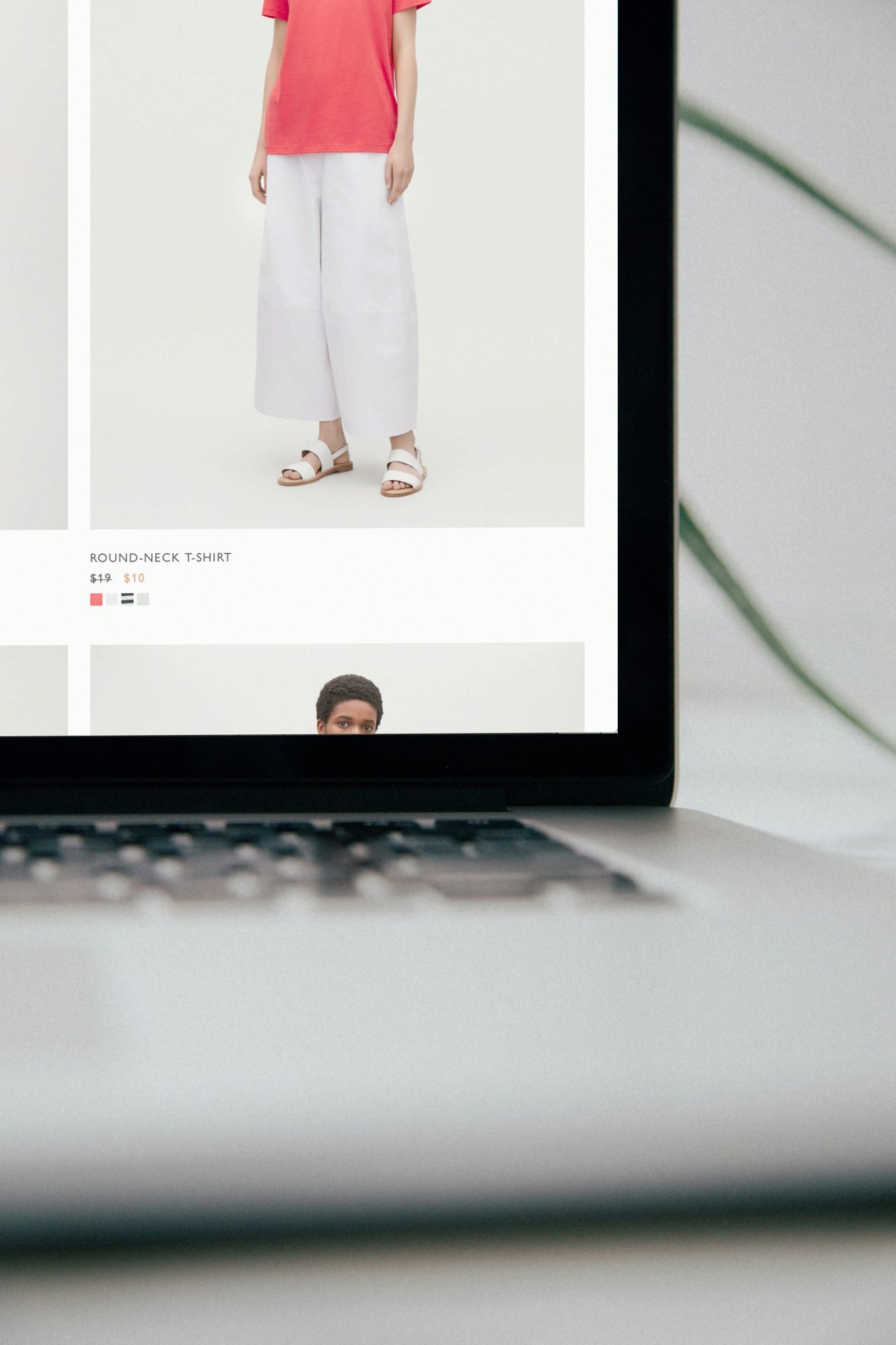
On one hand, the increase in taxes imposed by retailers no longer allows brands to secure a decent margin without raising the prices of their pieces. Many of them thus decide to end their partnerships to sell their pieces independently, as was the case with Matches. Furthermore, scandals have tarnished brands’ trust in retailers. Gucci, featured in a MUBI documentary, recently sued three entities for selling counterfeit pieces instead of its creations.
Another factor driving brands to detach from the retail model is to better understand their customer base in order to enhance customer relationships and offer a personalized experience.
How is the DTC “Direct to Consumer” model taking hold?
Given the increasing number of brands that have created their DTC e-commerce sites in 2023, as well as the estimated $161.22 billion in sales expected on Shopify in 2024, the DTC e-commerce model seems to be on a strong upward trajectory.
As the name suggests, a “Direct to Consumer” e-commerce site allows brands to sell their products directly to their customers, without the involvement of third parties. In contrast to multi-brand e-commerce sites, where the retailer manages the presentation of products on its platform and oversees the purchasing and shipping processes.
The DTC model is appealing due to its many advantages encouraging brand development, such as:
- Reduction of costs/taxes/commissions (usually paid to retailers) that allows brands to have a fairer margin and to offer their pieces at more affordable prices.
- Having visibility over their entire production, knowing stock levels as well as the quality of pieces and shipments made.
- Not relying on other parties, which can slow down or tarnish the purchasing and shipping experience.
- Being able to better manage their brand image, values, and storytelling through their DTC site. Additionally, showcasing their products more effectively and offering more through a simplified purchasing process.
- Access to all data regarding visitor and customer behaviors on the site. This is to enhance the user experience and offer unique and personalized experiences. This work helps to strengthen the bond between the brand and the customer while fostering loyalty.
- Brands can also complement the in-store experience for customers with online exclusives.


In light of all the advantages resulting from the DTC model, multi-brand e-commerce sites are losing popularity to brands seeking to regain power. Their role is increasingly being questioned. However, the recent increase in “Direct to Consumer” sites implies strong competition for brands wishing to enter this channel. Thus, accurately targeting their customer base, establishing an attractive brand image, and implementing a relevant strategy are essential to stand out and make sales.
Where to find popular brands sold on Matches Fashion?
If you used to shop on the Matches Fashion site, worry not, we have gathered some useful links to help you find your favorite pieces from Dragon Diffusion, Alemais, Amiri, or Toteme!
With over 450 brands represented, Matches Fashion quickly established itself as a must-visit destination for fashion enthusiasts. Among the most popular brands, we find:
– Loewe
– Céline
– Gucci
– Adidas
– Prada
– Fendi
– Hunza G
Discover our must-haves for Spring 2024
Here are some pieces to shop for sunny days:
– An it-bag, to choose between a Loewe Bag, the Balenciaga Hourglass bag, a Jacquemus Bag, or a Demellier Bag.
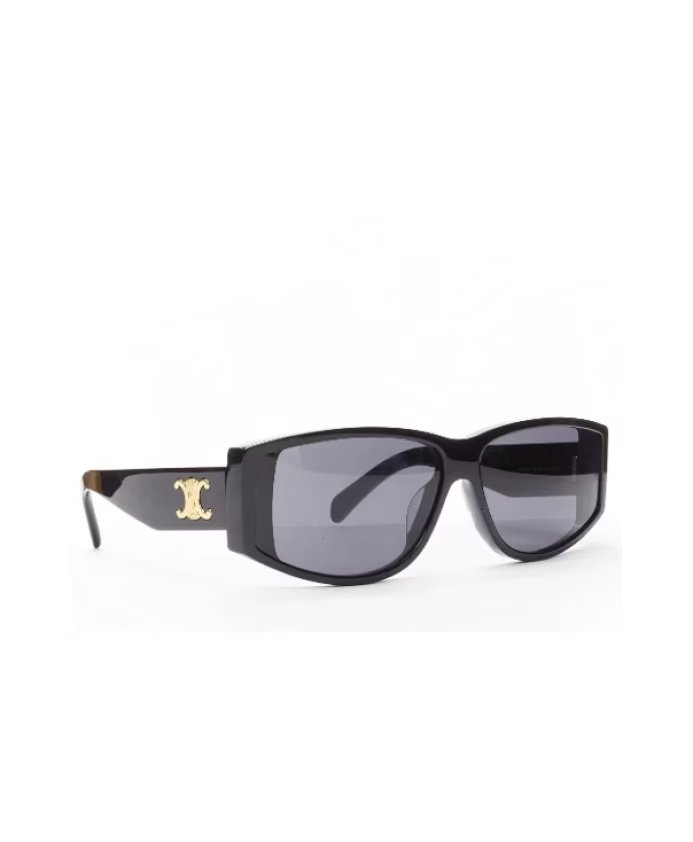
– A perfectly cut two-piece swimsuit from Hunza G paired with Celine Sunglasses.
– A pair of Prada Trainers or Arigato Trainers for exercising, Bottega Veneta Shoes for a runway show, or espadrilles for strolling.
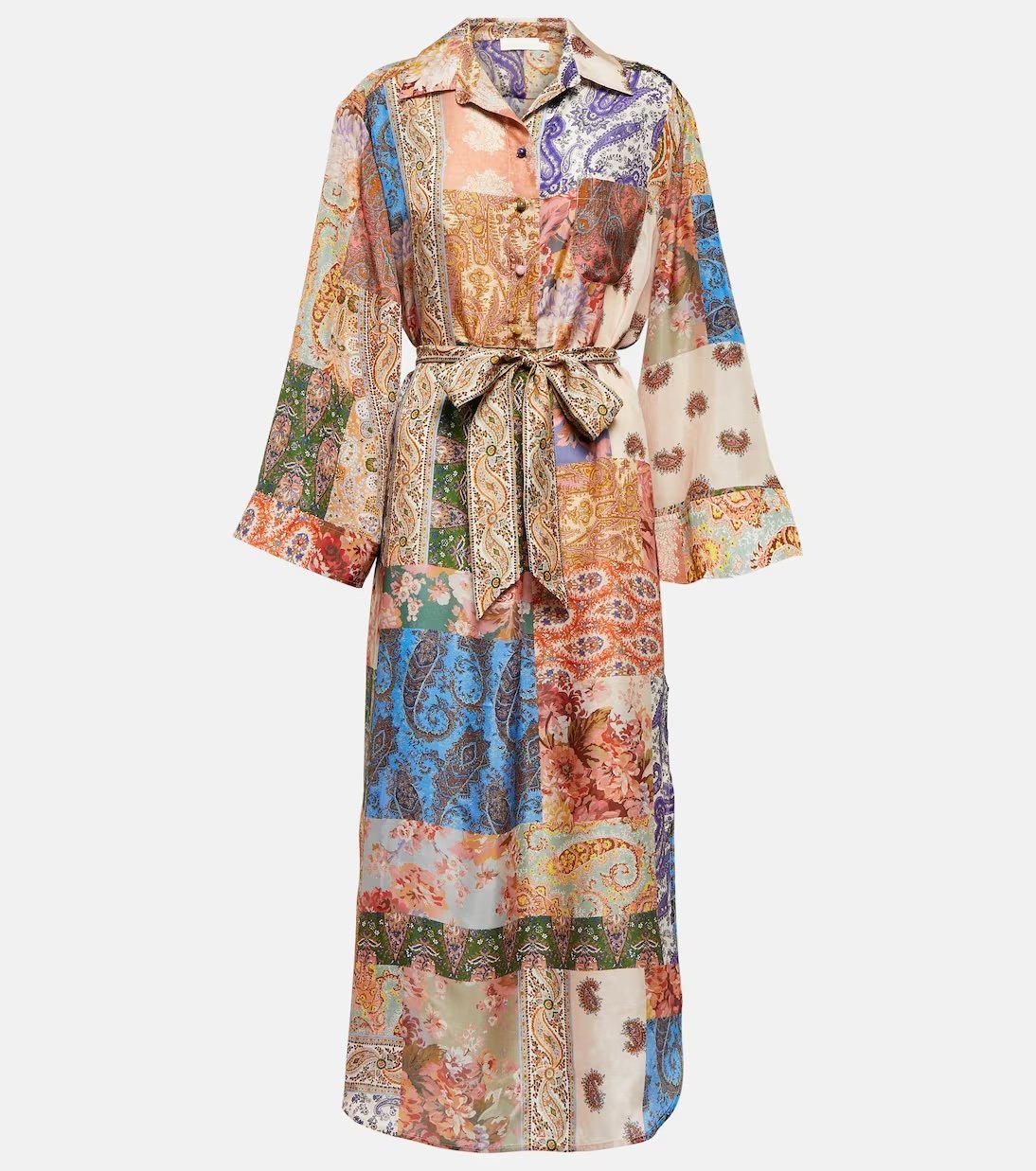
– A touch of preppy originality with a piece from Alessandra Rich, a colorful piece from Zimmerman, or a vintage look from the Wales Bonner Adidas collaboration.

Photos: Pinterest, Unslash / Cover: Matchesfashion.com