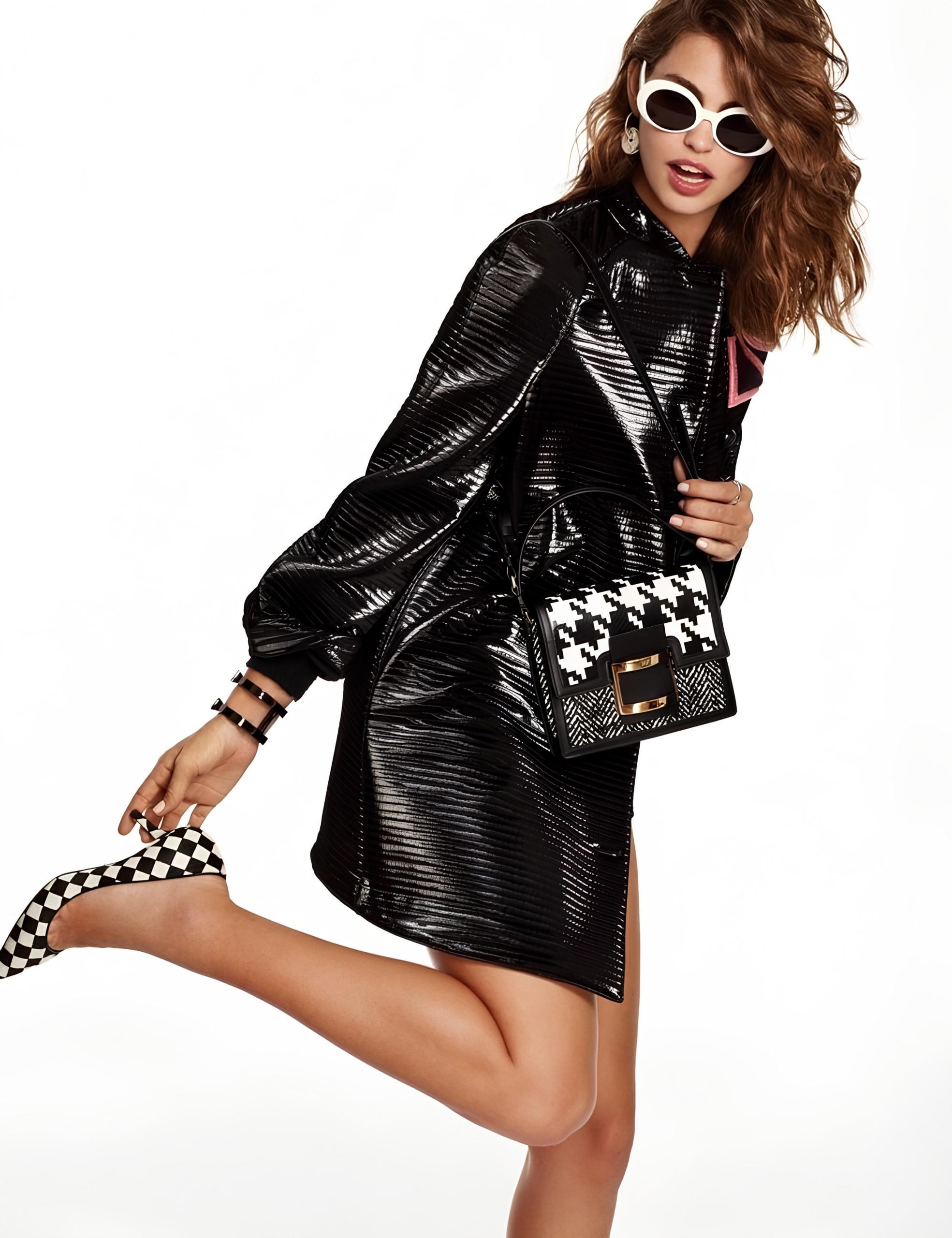
The new codes of luxury: why second-hand is the future
For decades, luxury was defined by exclusivity, pristine craftsmanship, and the thrill of owning something untouched. A freshly unboxed Hermès Birkin, the crisp scent of a brand-new Chanel jacket—these were once the ultimate markers of status. But today, a shift is taking place. True connoisseurs no longer chase only the new; they seek the rare, the storied, the timeless. And in this new landscape, second-hand designer clothes are no longer a compromise—they are the pinnacle of modern luxury.
The shift: from fast to forever
Not long ago, second-hand fashion carried an air of nostalgia, something for vintage lovers or collectors with a penchant for past eras. Now, it signals discernment. The rise of pre-owned designer fashion is more than a trend—it’s a response to the changing values of the luxury consumer.
Fashion has always been cyclical, but today, sustainability and longevity are redefining what it means to be stylish. The idea of “buying less, but better” has replaced the impulse for fast fashion, and major houses like Chanel, Gucci, and Hermès are witnessing their archival pieces skyrocket in desirability. Whether it’s a 90s Dior saddlebag or a perfectly aged Saint Laurent blazer, the demand for second hand designer clothes has never been higher.
Even luxury brands are taking notice. Some, like Balenciaga and Valentino, have started to embrace the pre-owned market by launching their own resale initiatives. Others have opted for exclusive capsule collections inspired by their archival designs, proving that the future of fashion isn’t just about looking ahead—it’s about honoring the past.
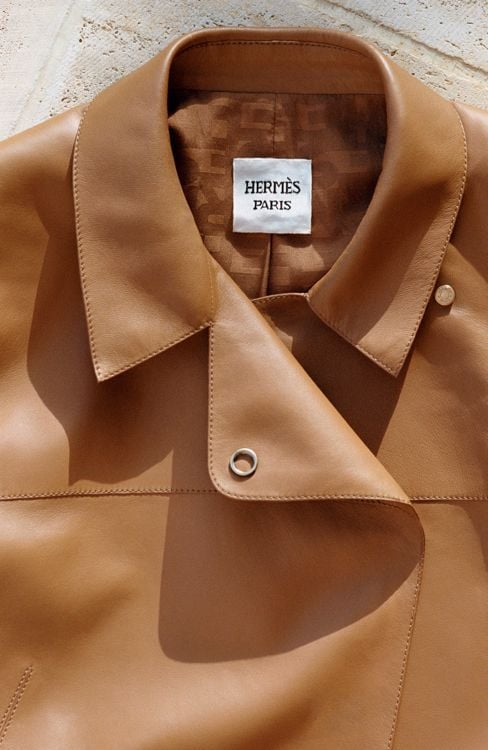
Exclusivity, reimagined: the appeal of pre-owned luxury
Luxury has always been about scarcity—limited editions, couture pieces, and designs that whisper status rather than scream it. But in an era of mass production, true rarity is found in the archives, not the boutiques.
- The Hunt for Iconic Pieces – A vintage Alaïa dress or an original Tom Ford-era Gucci piece holds a cultural weight that modern collections can’t replicate.
- Unmatched Craftsmanship – Many past collections were created before fashion became dominated by commercial pressures, making their construction and materials unparalleled.
- Investment Value – A well-kept Hermès Kelly bag appreciates over time, making it as much a financial move as a fashion statement.
Second-hand fashion isn’t about settling—it’s about securing a piece of history, a garment with soul, a design that stands the test of time. It’s why the most stylish women in the world—Kate Moss, Bella Hadid, and even royals like Princess Charlotte of Monaco—are regularly seen in vintage pieces, reinforcing the idea that true style transcends seasons.
The digital revolution of resale
The luxury resale market has evolved far beyond thrift stores and hidden vintage boutiques. Curated platforms now offer expertly authenticated collections, bringing exclusivity and accessibility together in a way never seen before.
This shift isn’t just practical; it’s cultural. The modern shopper is digitally savvy, willing to search for the perfect pre-owned Chanel jacket rather than settle for this season’s mass-produced alternative. With high-end resale platforms ensuring authenticity and quality, second-hand is no longer a second choice—it’s a first-class experience.
Even auction houses have taken notice, with Sotheby’s and Christie’s hosting record-breaking sales of rare vintage pieces. The value of second-hand designer fashion is no longer just personal—it’s part of a larger movement toward collectible luxury.
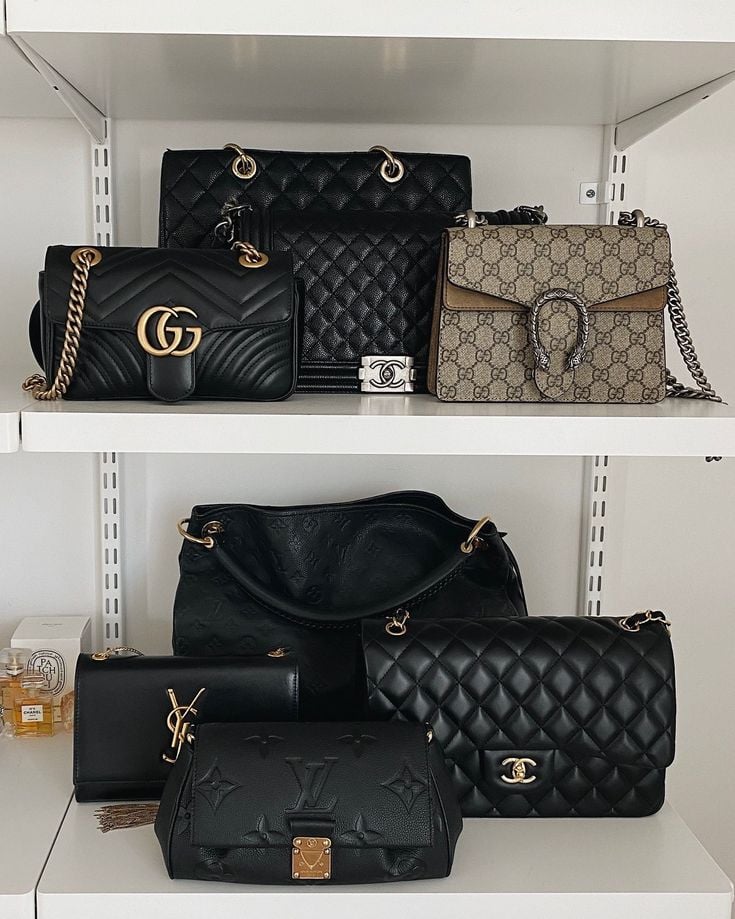
The future of luxury is circular
True luxury has never been about excess—it has always been about intention. In today’s world, fashion insiders and collectors alike are redefining what it means to own something special. A piece’s story, its craftsmanship, and its enduring value matter more than whether it was purchased straight from a boutique.
As we enter an era where sustainability and exclusivity go hand in hand, second-hand fashion is no longer just an option—it’s a statement. One that says style is about substance, heritage, and a deep appreciation for what endures.
In that sense, second-hand fashion isn’t just the future of luxury. It’s the truest form of it.