Berlin Fashion Week: When Childhood Memories Inspire Fashion at Orange Culture
This publication is also available in:  Français
  Deutsch
  Italiano
  Español
  English (US)
Childhood is a particularly significant period in life, and the loss of a mother is, of course, a very powerful event. It is to pay tribute to his deceased mother that the designer of the brand founded in Lagos, Orange Culture, Adebayo Oke-Lawal, focused on the theme of his childhood, with plenty of colors and different textiles.
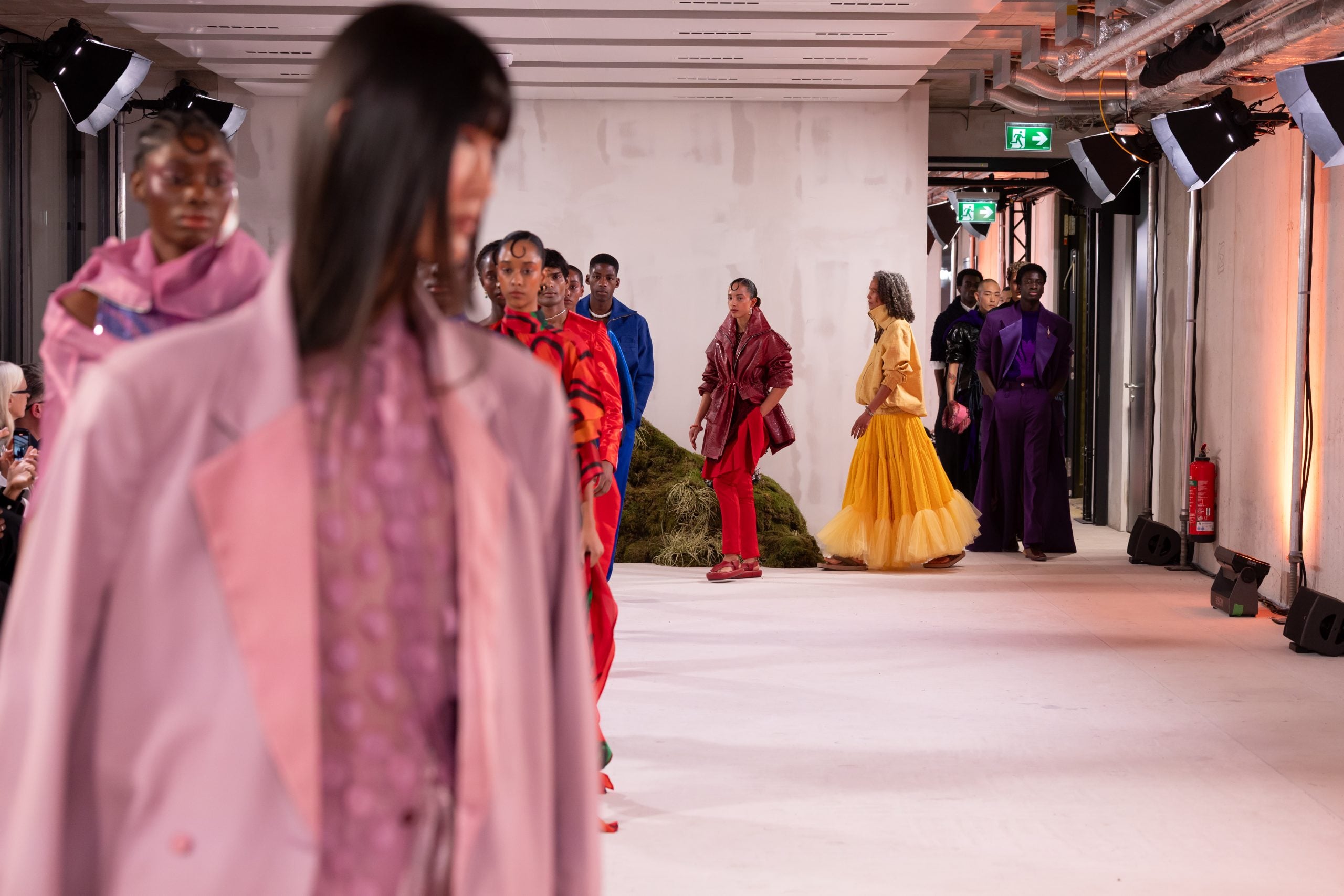
Orange Culture is one of those brands that redefine African luxury. Showcasing gender-fluid silhouettes and celebrating identity, the brand walked the runway in Berlin this weekend to present its new collection, Backyards of Memory. And we braved the freezing cold of the Berlin winter (and the snow) to attend the show.
The Beauty and Colors of Childhood
The Orange Culture label is back at Berlin Fashion Week. At the intersection of modern luxury, craftsmanship, and activism, Orange Culture draws heavily on notions of masculinity and African identity through its collections.
If you are not yet familiar with designer Adebayo Oke-Lawal, there is still time to discover him. After being a semi-finalist for the LVMH prize in 2014, he made it onto the list of influential figures in fashion from the BoF 500 and collaborates with several names in fashion and craftsmanship.
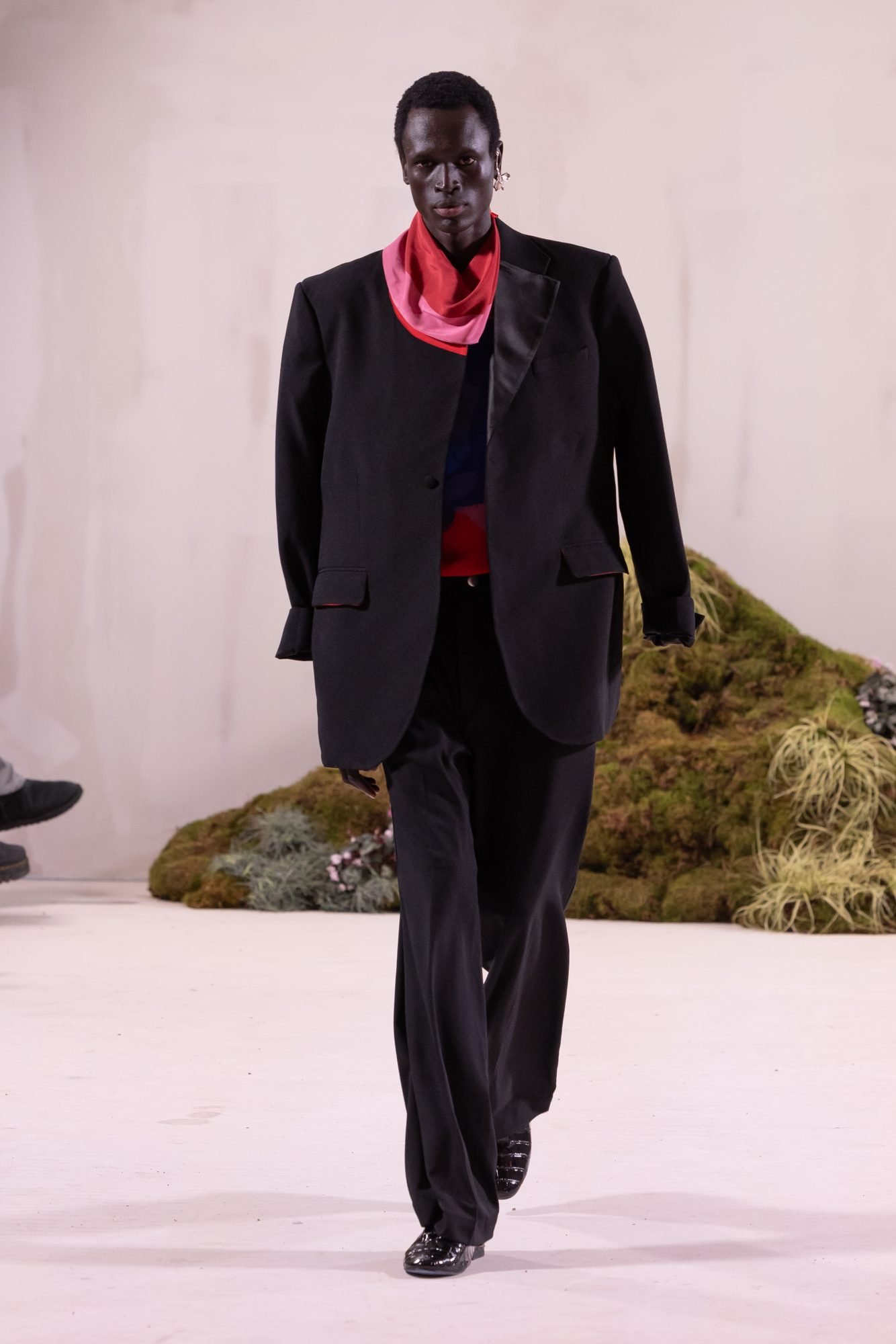
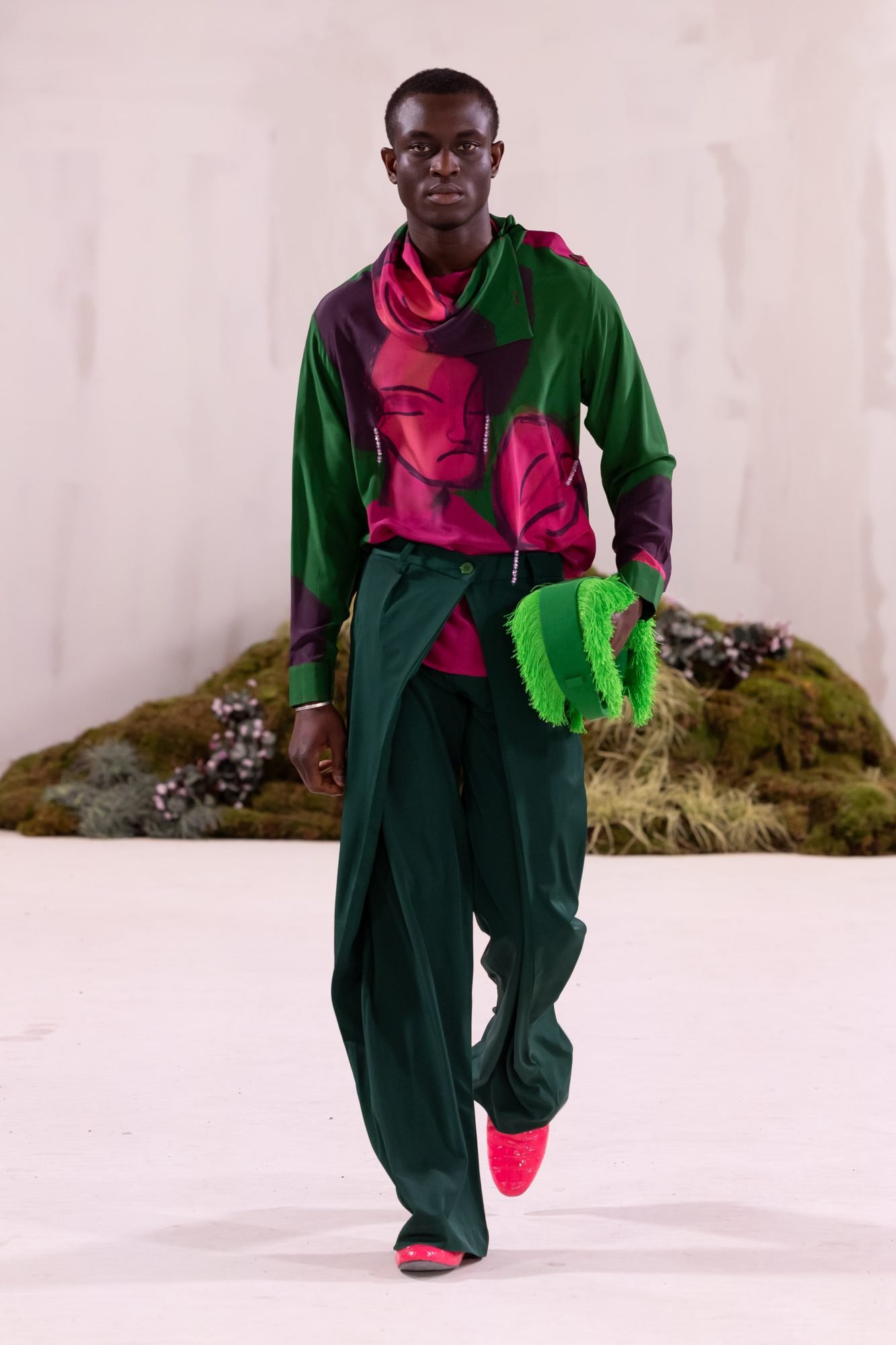
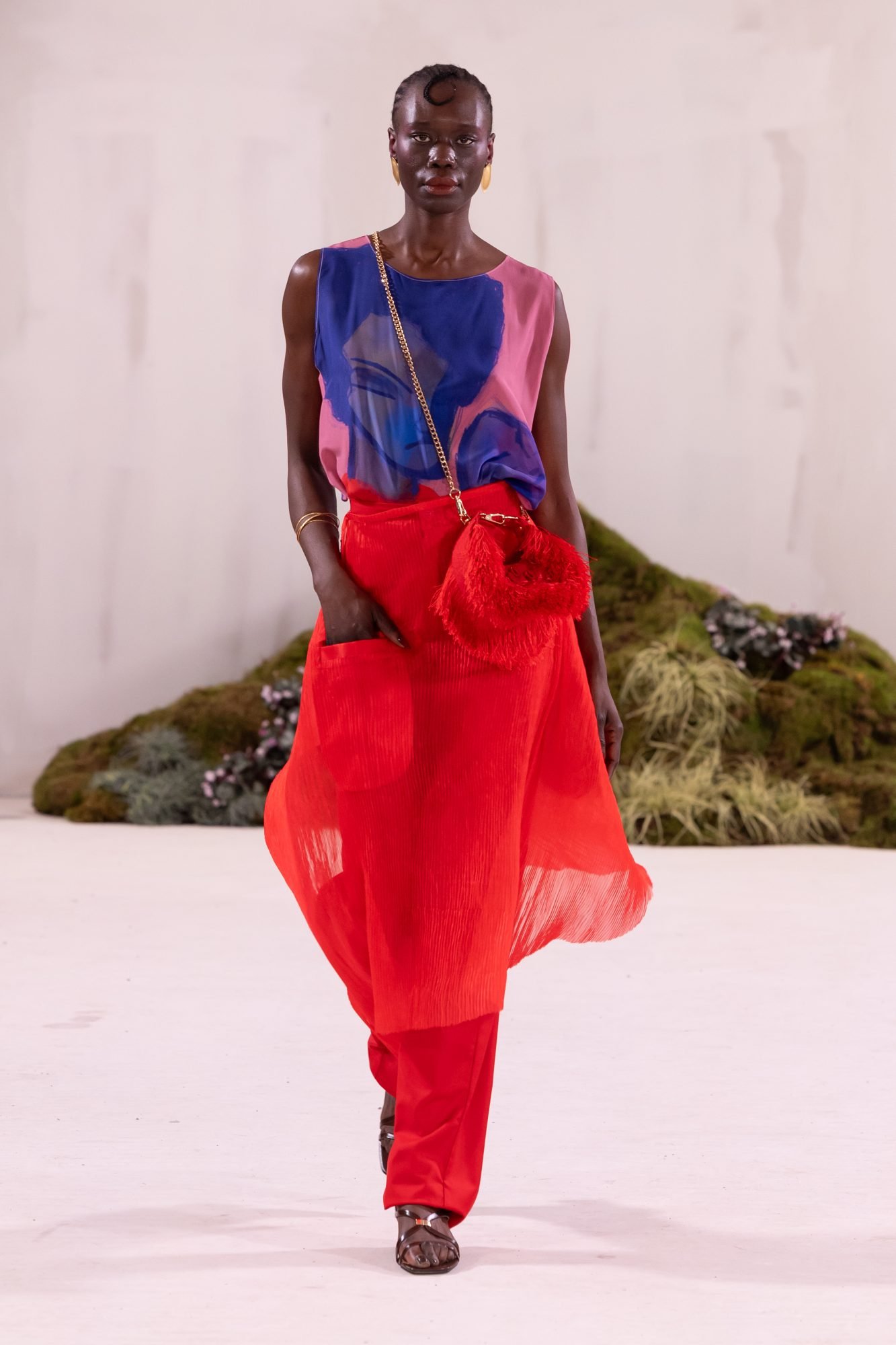
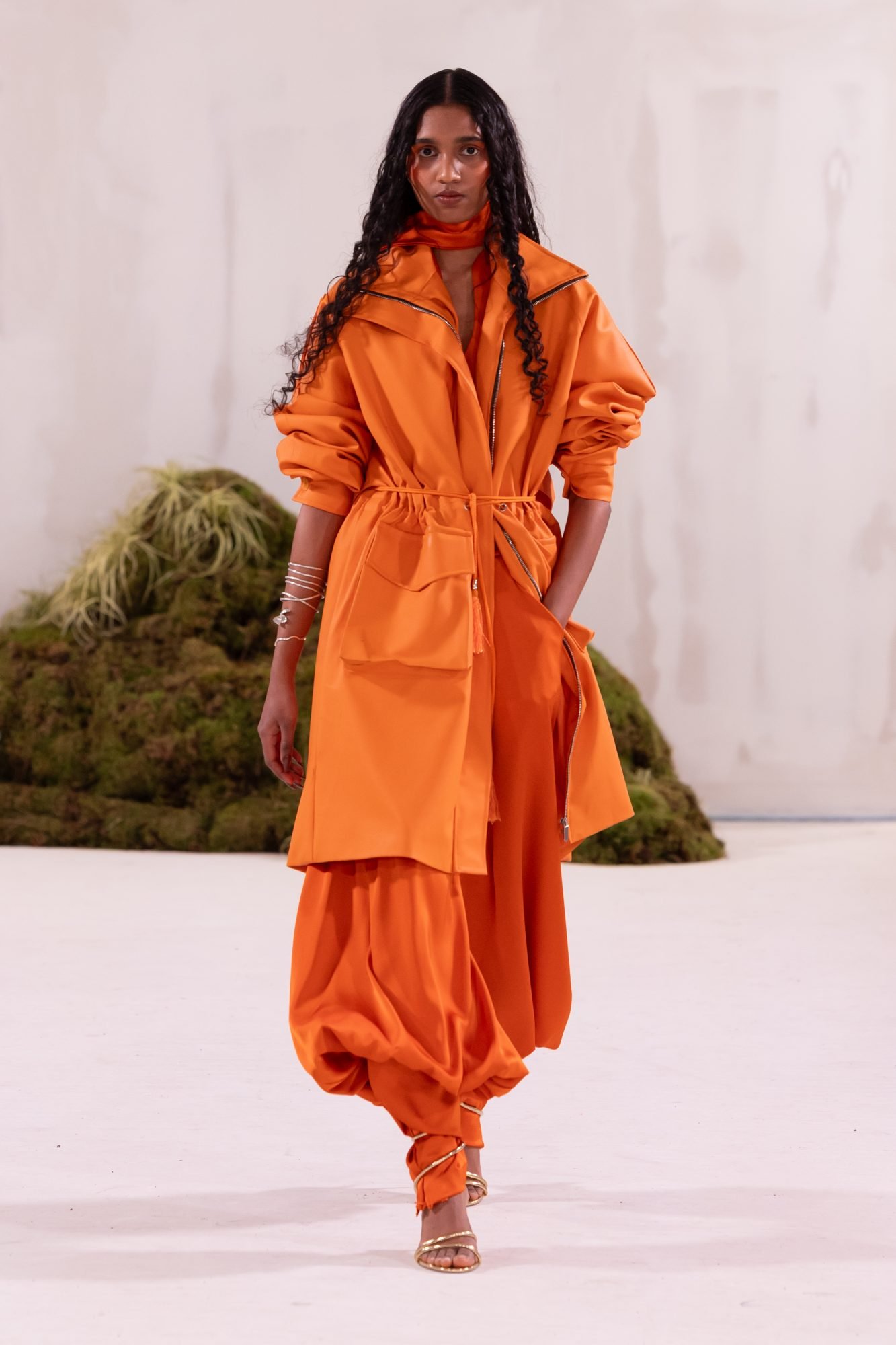
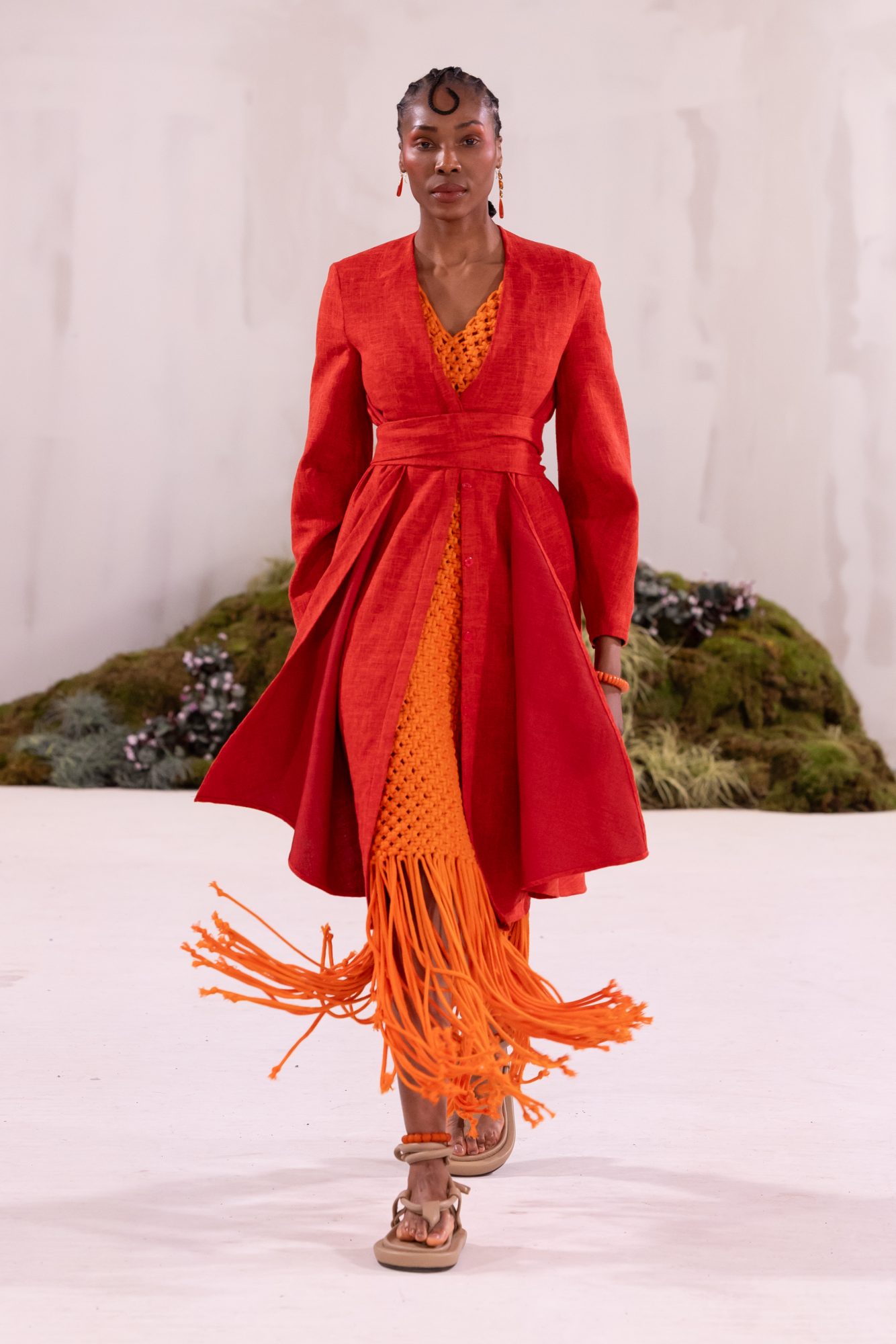
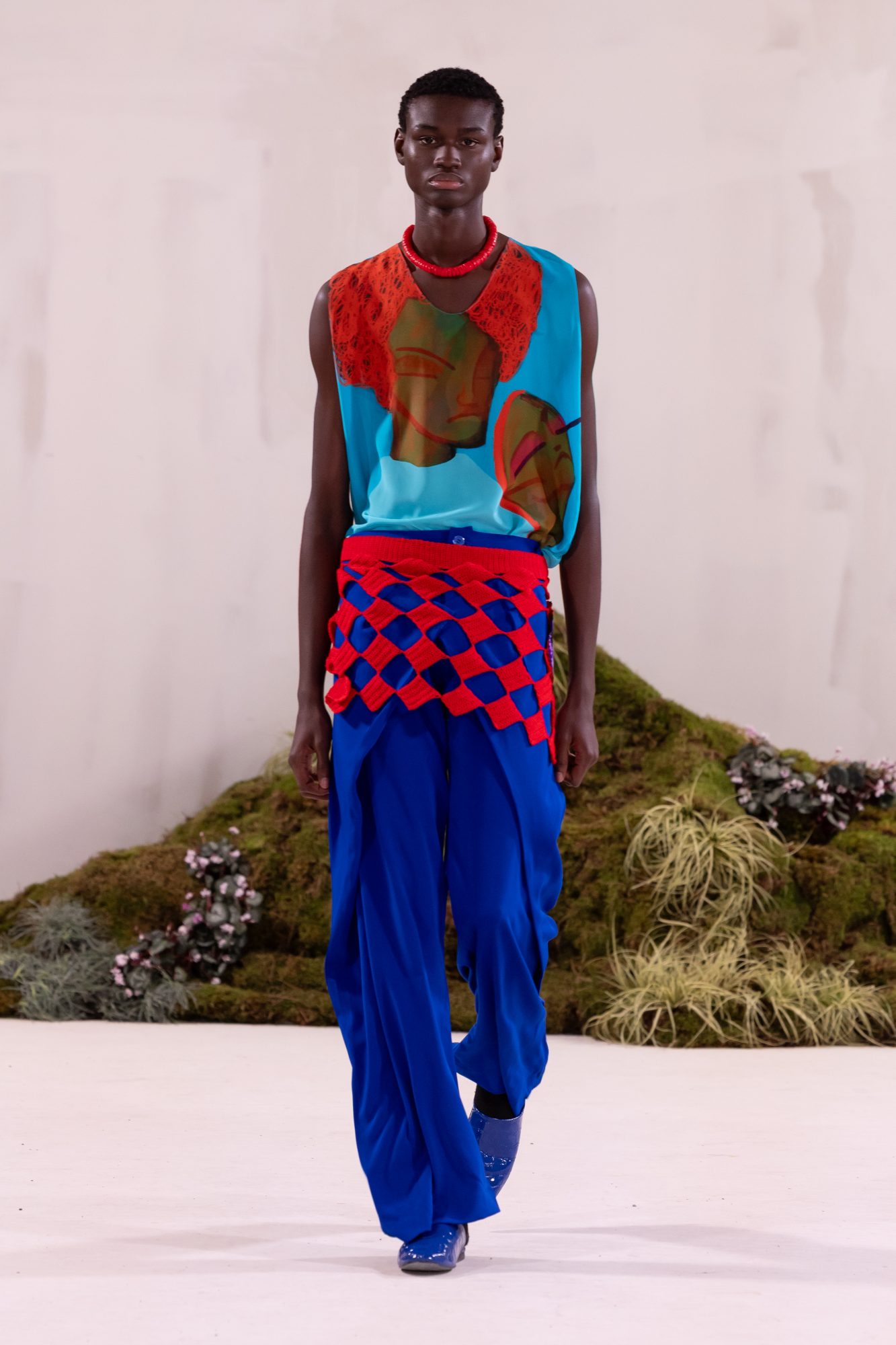
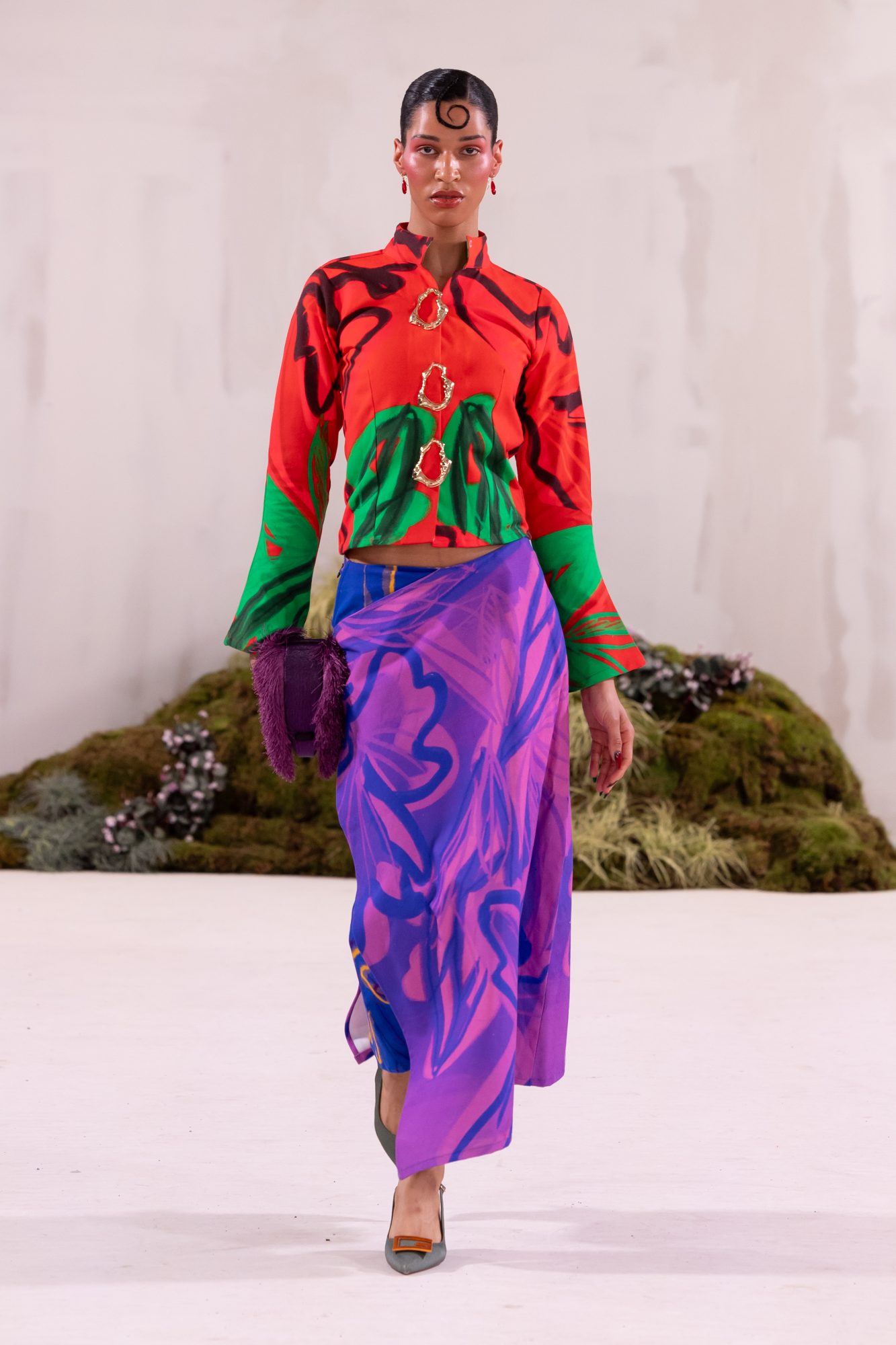
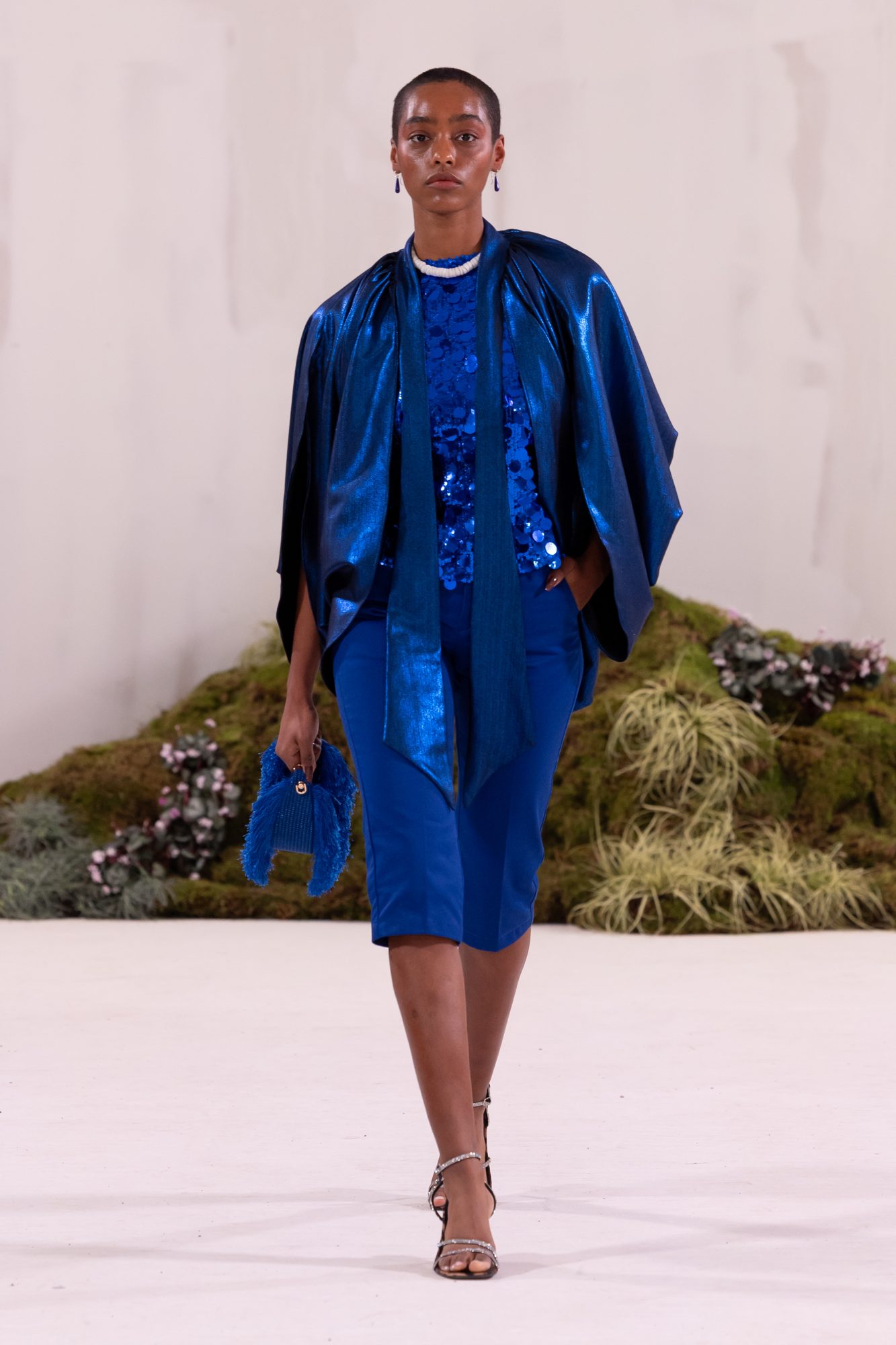
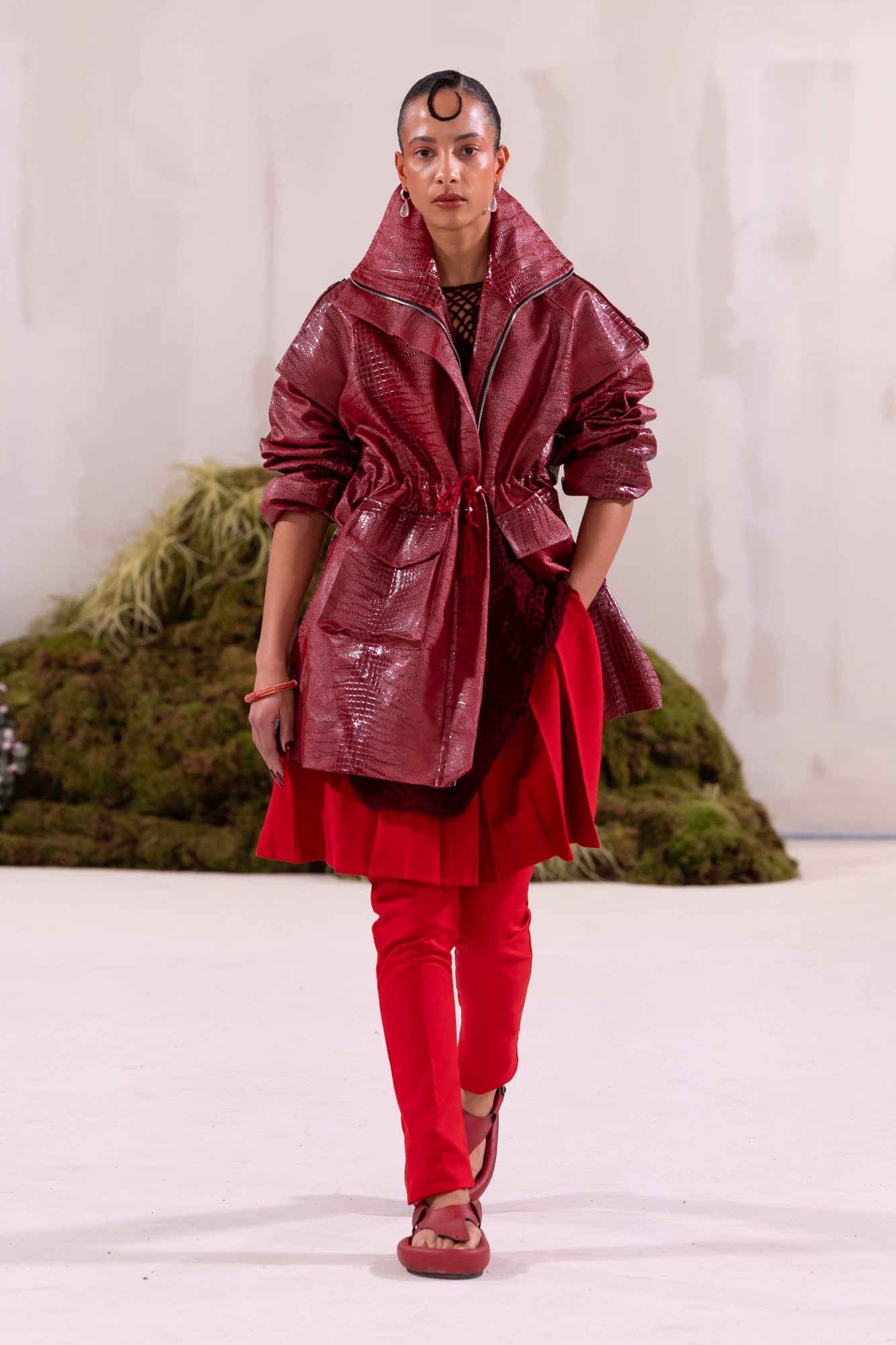
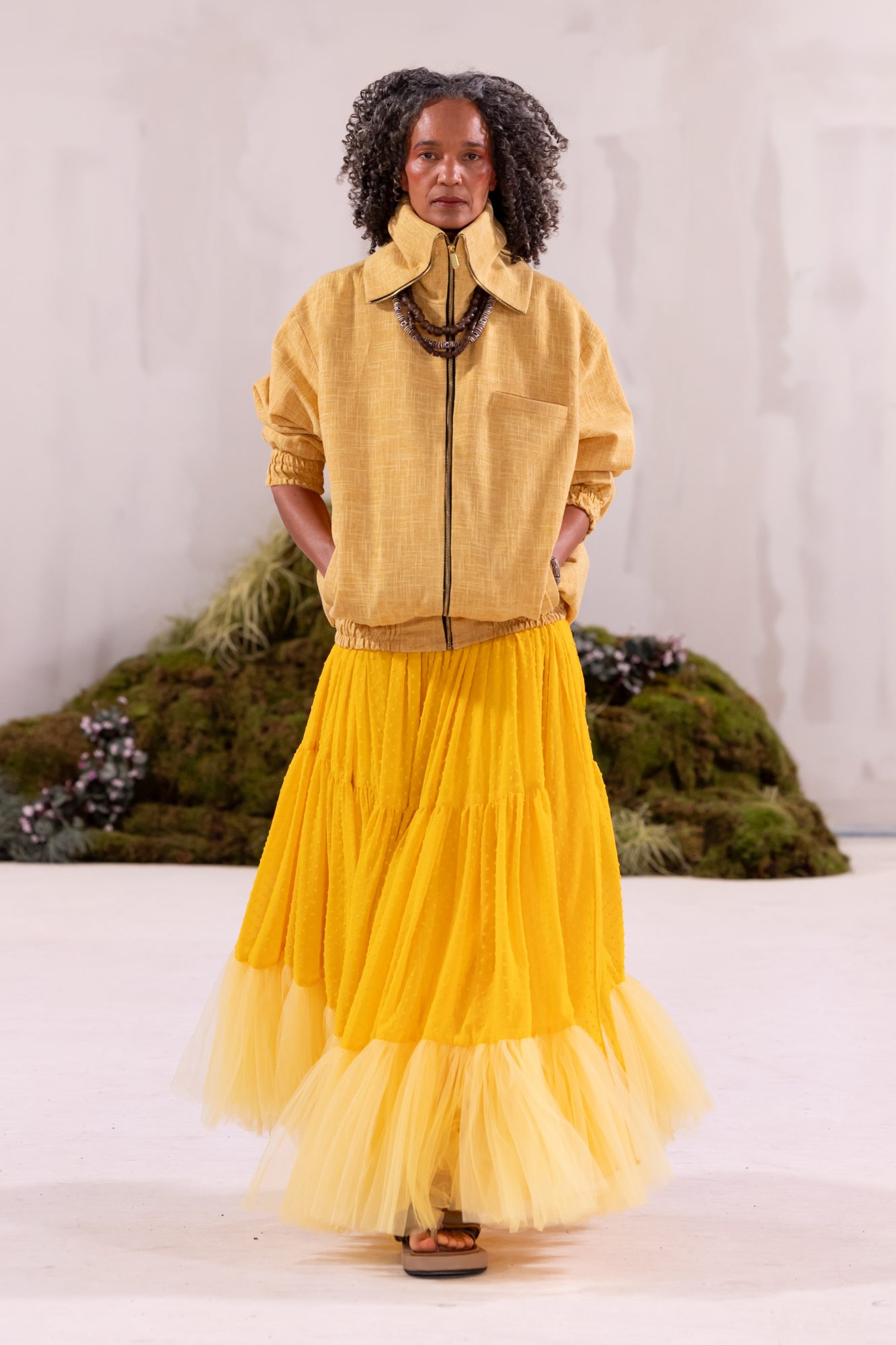
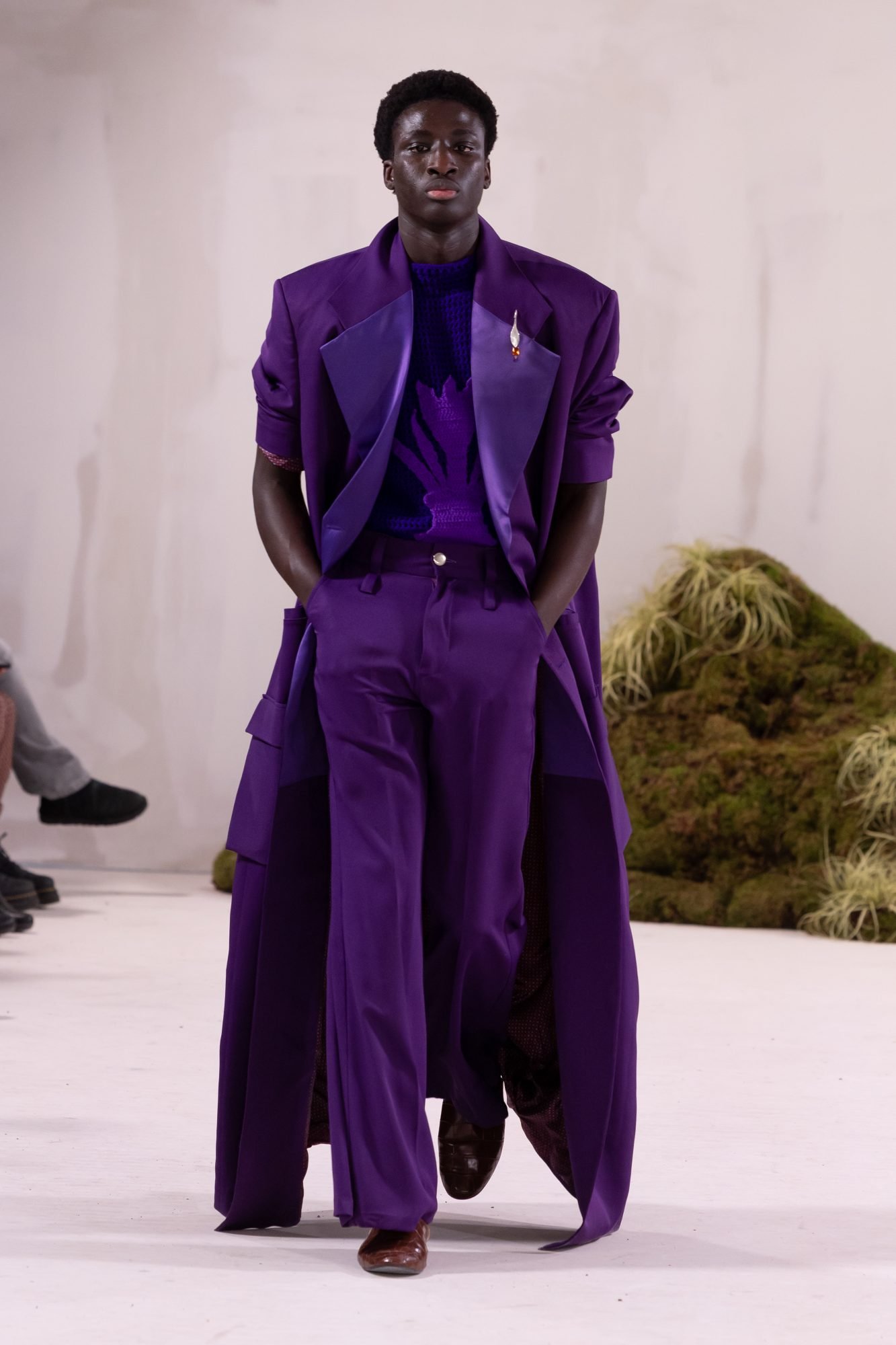
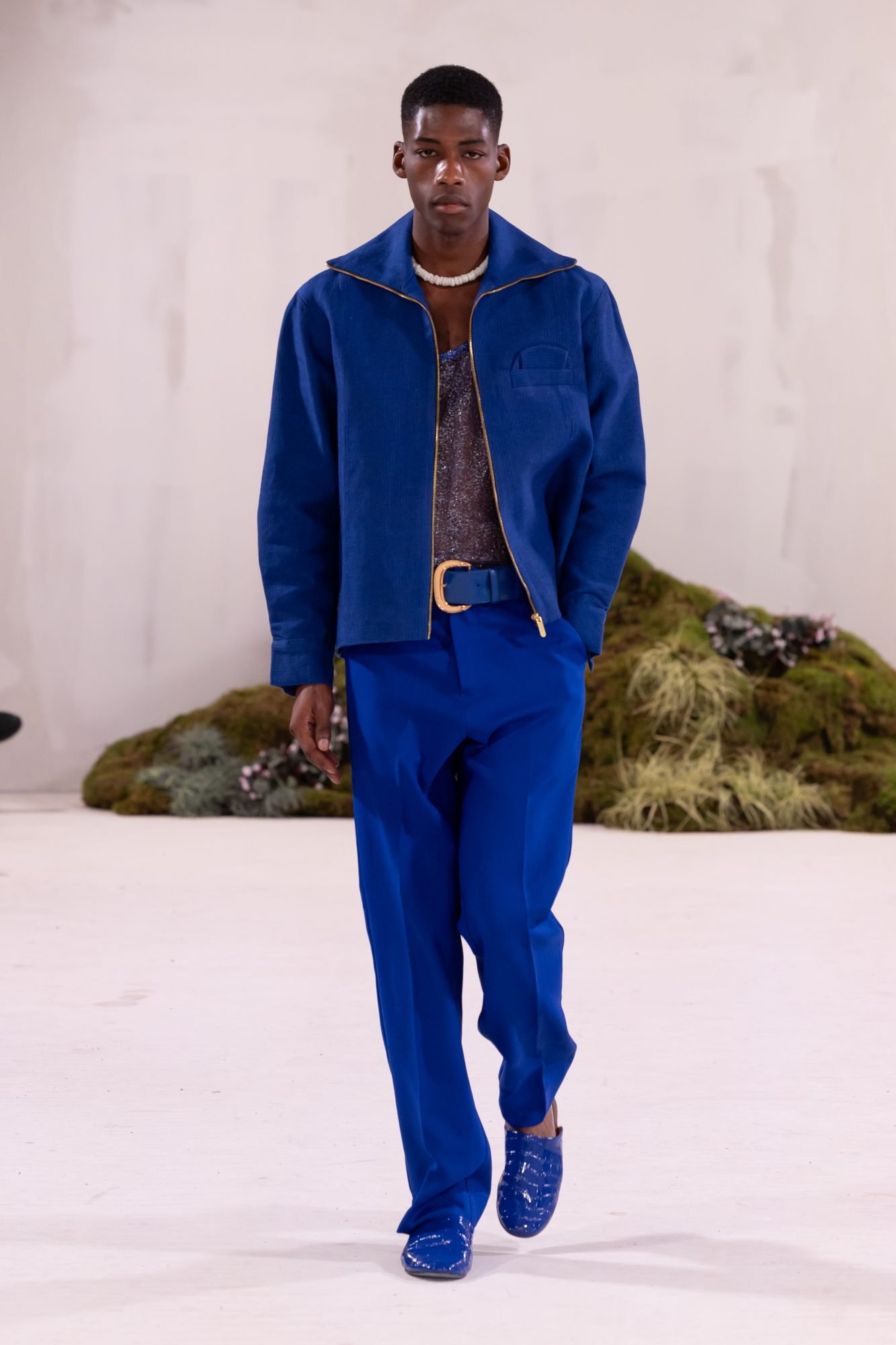
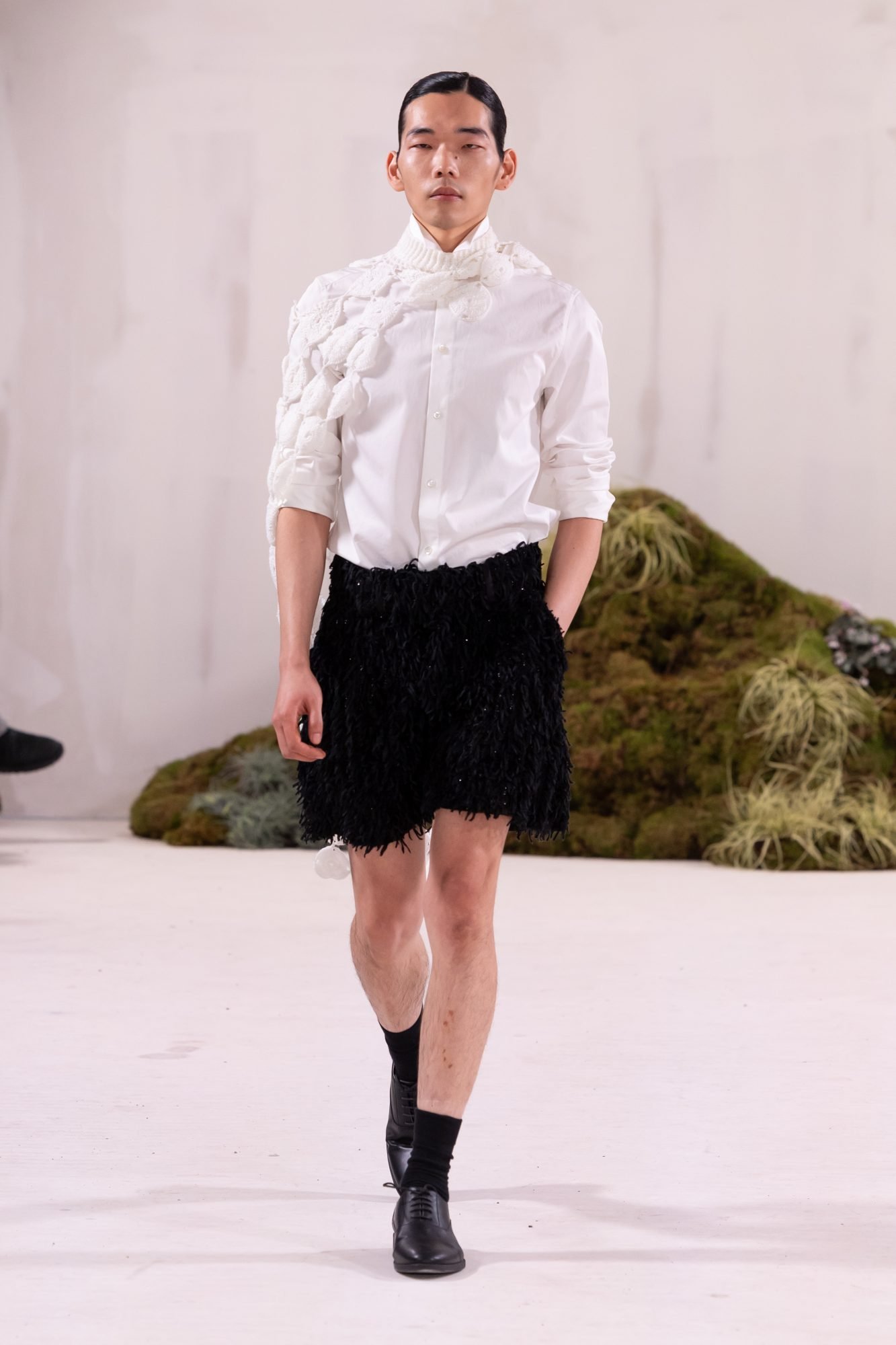
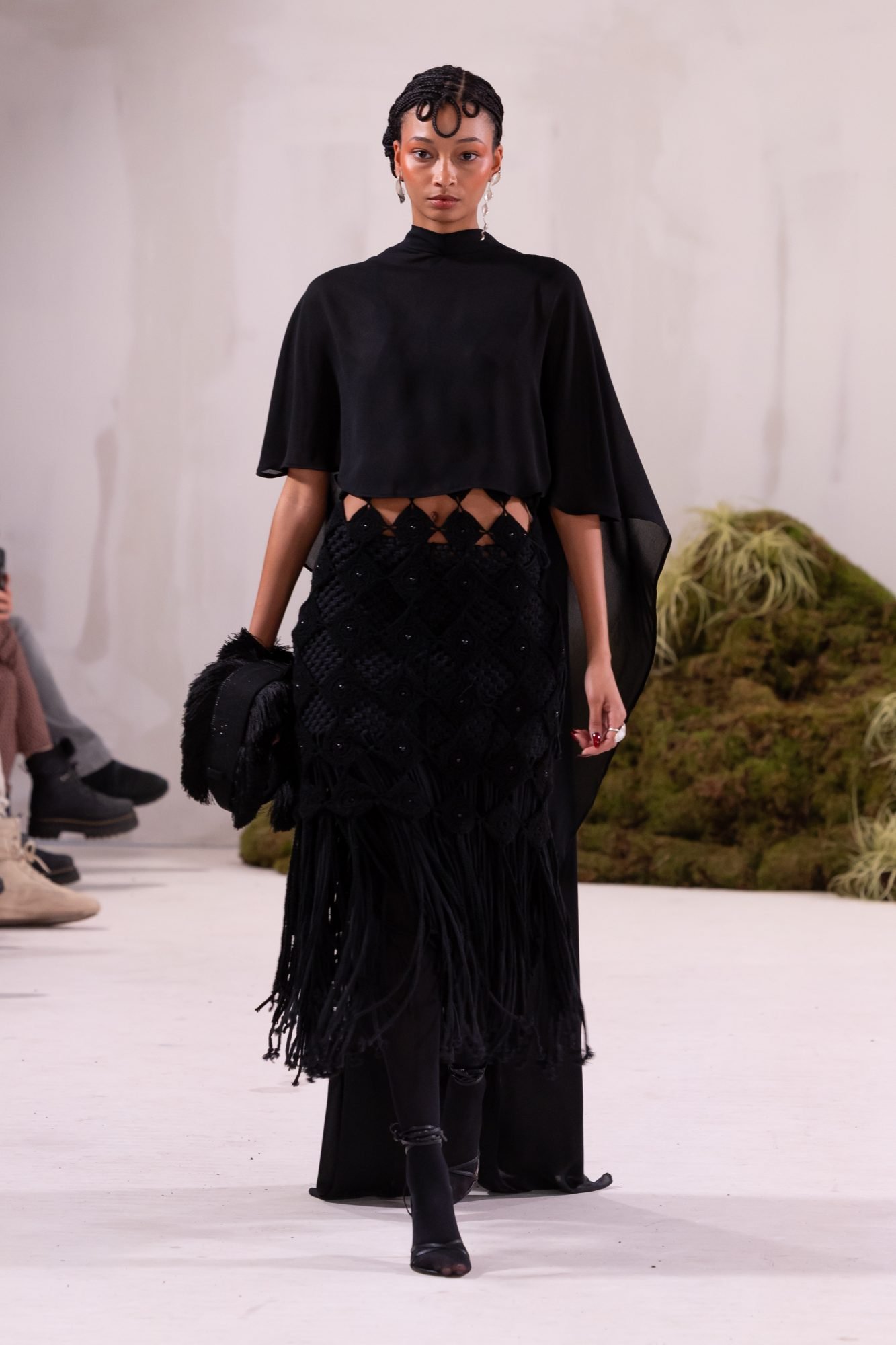
For his show, we naturally expect colors, and we are indeed enchanted by vibrant patterns, visuals, and layering. But what is most touching about this show is not so much the colorful and vivid effect of the clothing but the way fabrics are mixed with macramé pieces or crochet.
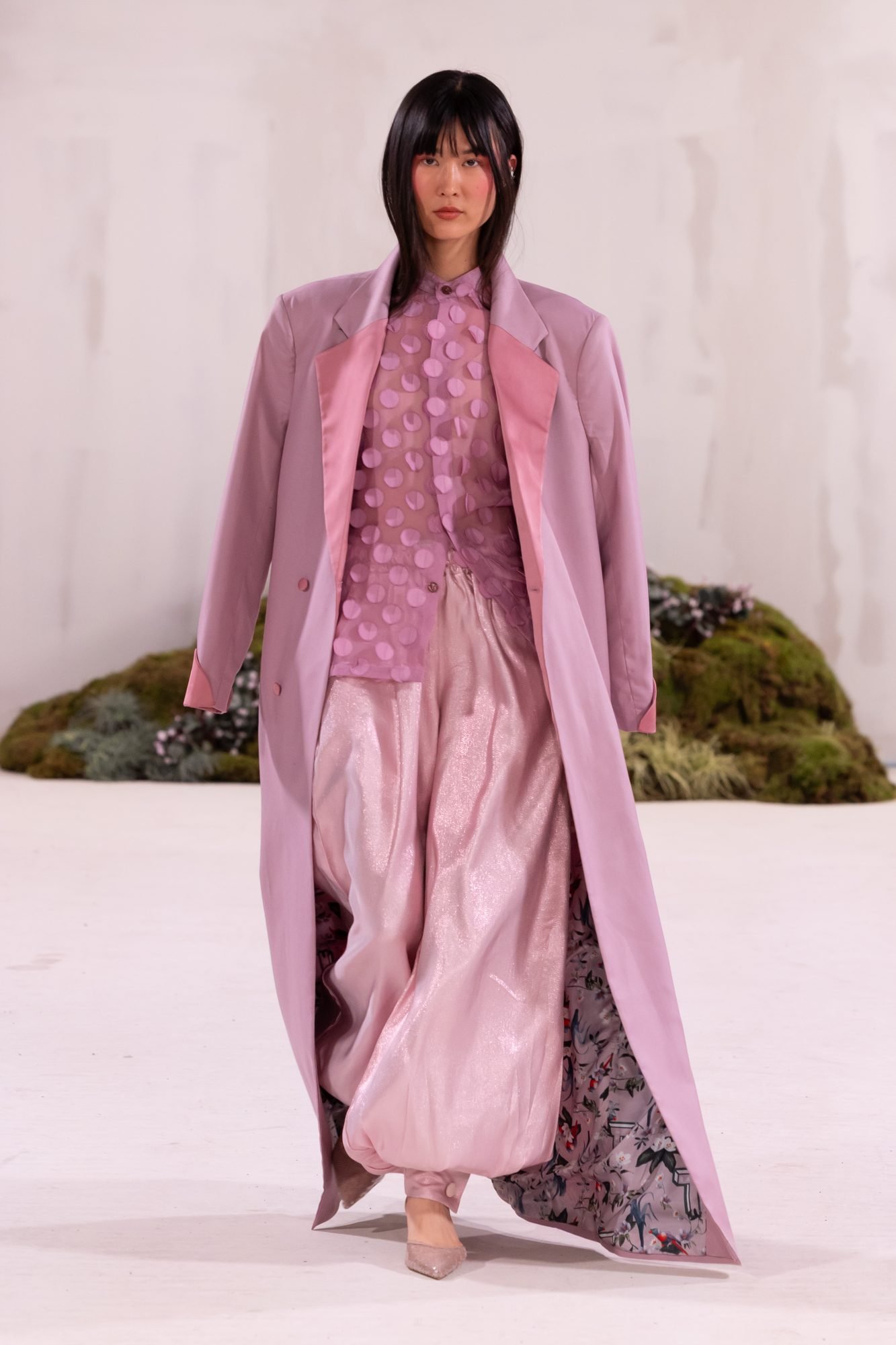
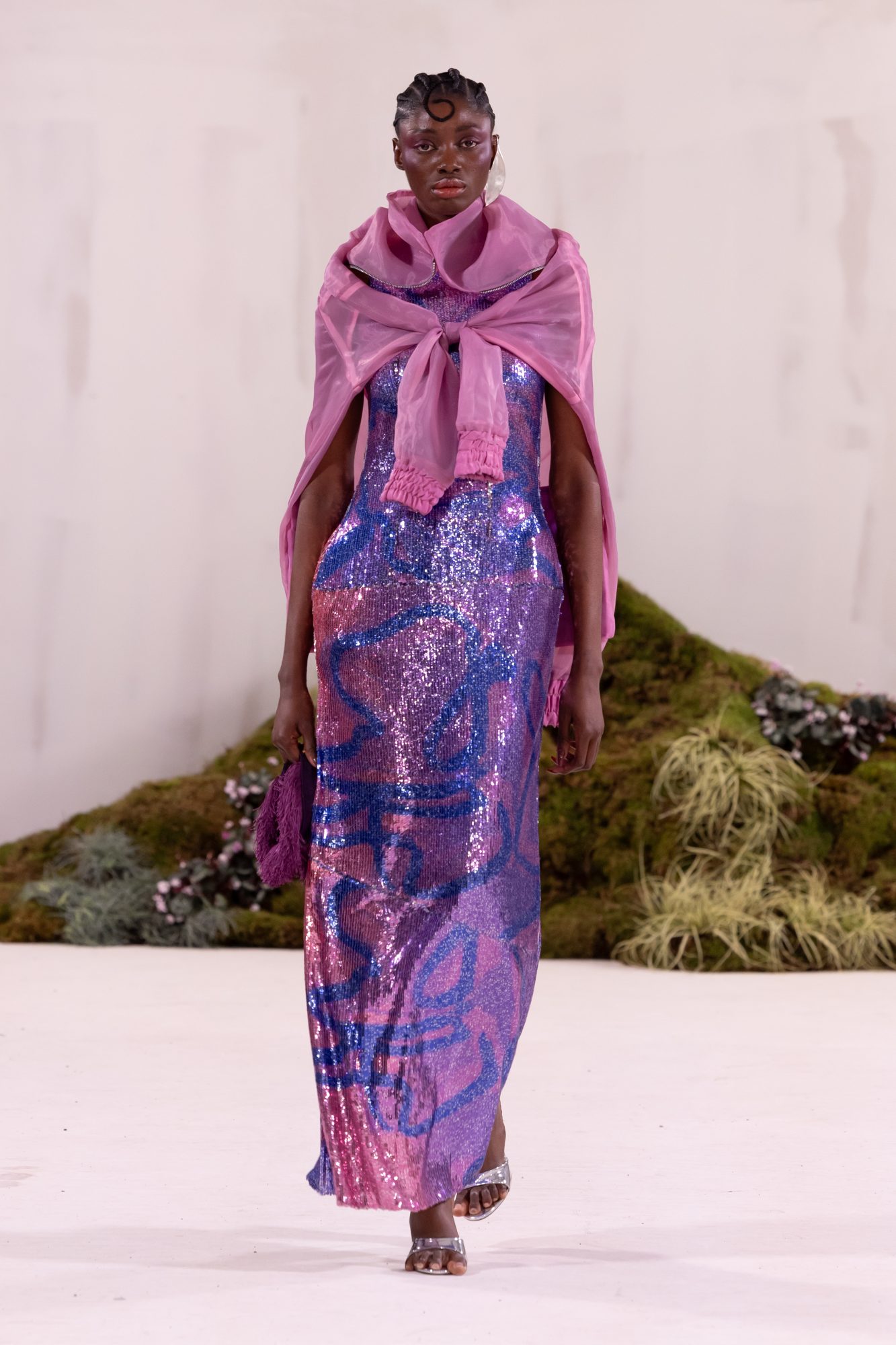
The Garden as a Memory of Creation
The designer, originally from Nigeria, constructed his new collection by taking the feeling of childhood nostalgia as a starting point. After the death of his mother, he delved back into his childhood memories, many of which were awakened in a very simple but memory-laden place: his garden, or backyard, as he says in English. The courtyard of his home, where friends and family gathered, where the sun dried the laundry and where life flourished in a simple and tender way. He says of his collection that it reminds him of the protection and vulnerability of a childhood memory garden. His work pays particular attention to light and shadow, which played an important role in shaping his memories and in visually bringing these memories to life.
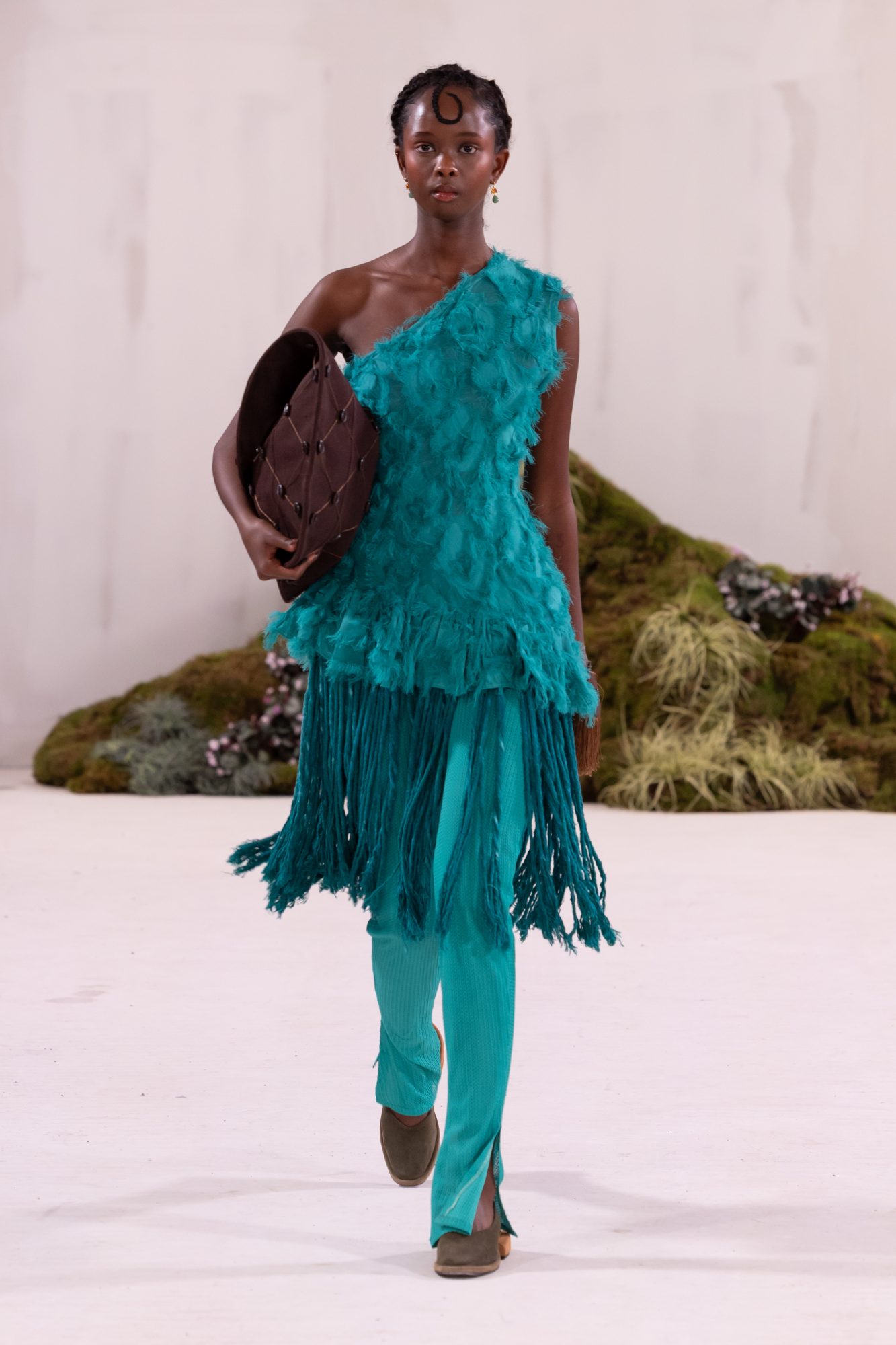
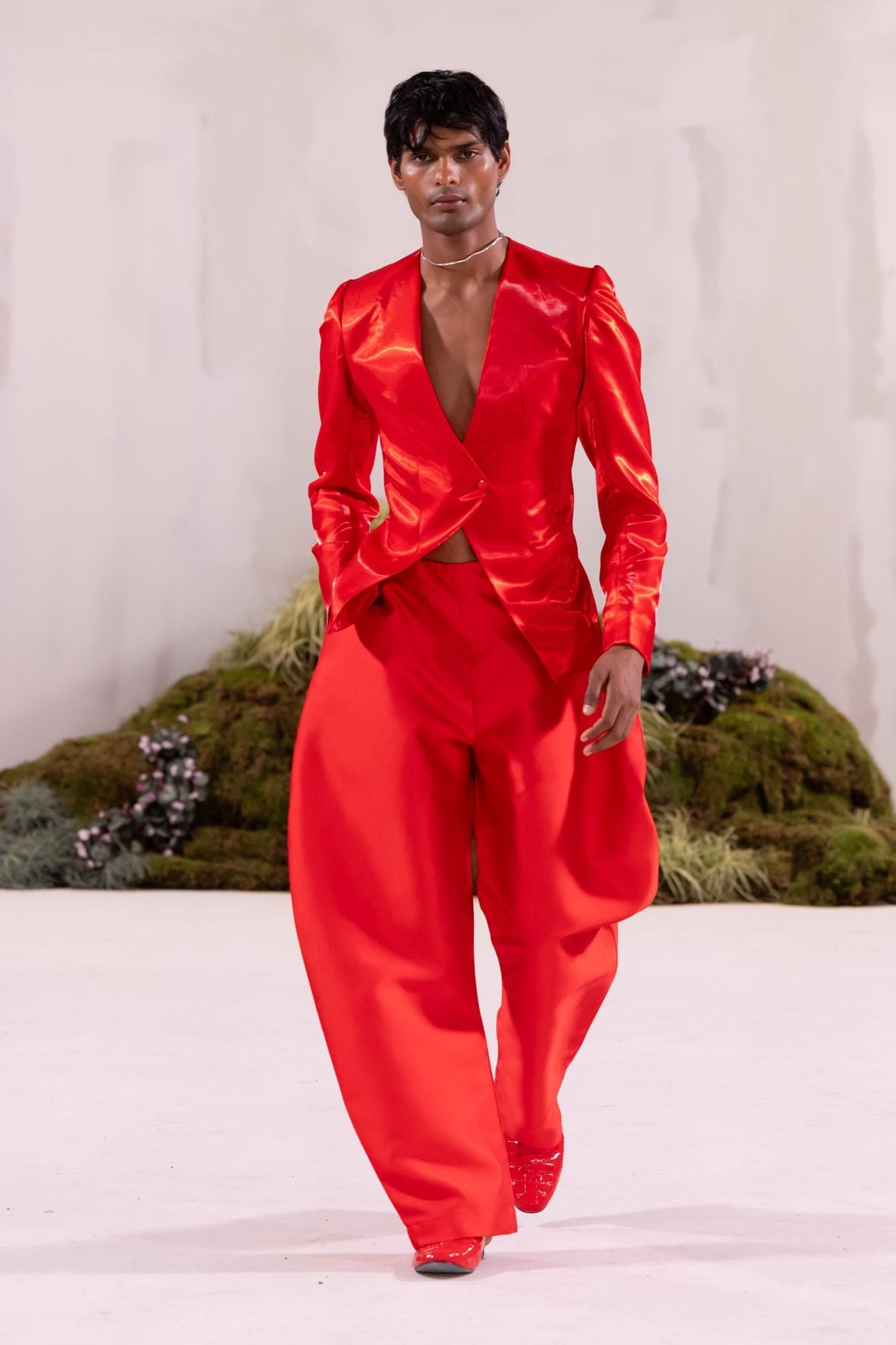
The End of Childhood is the End of a Life
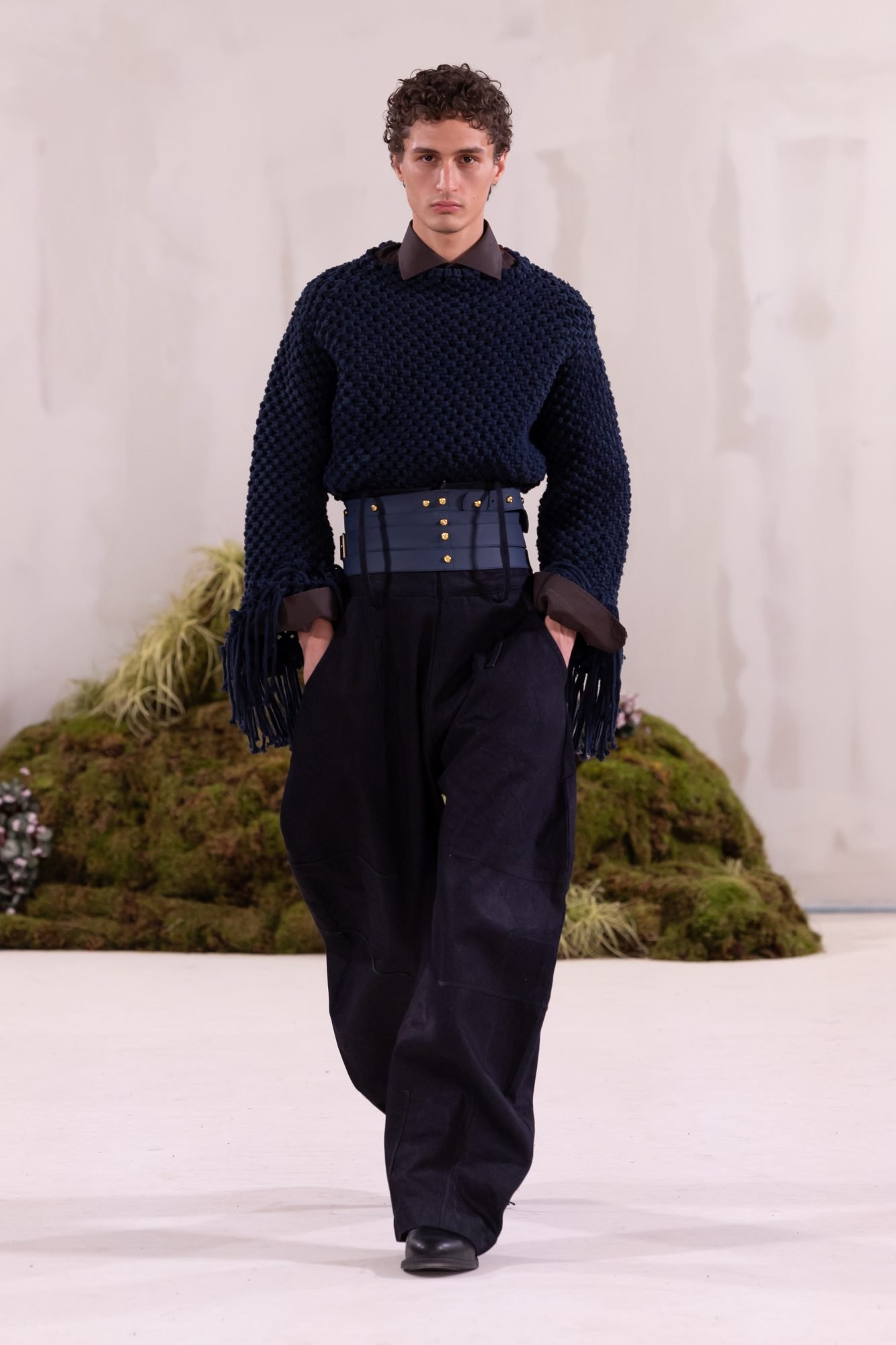
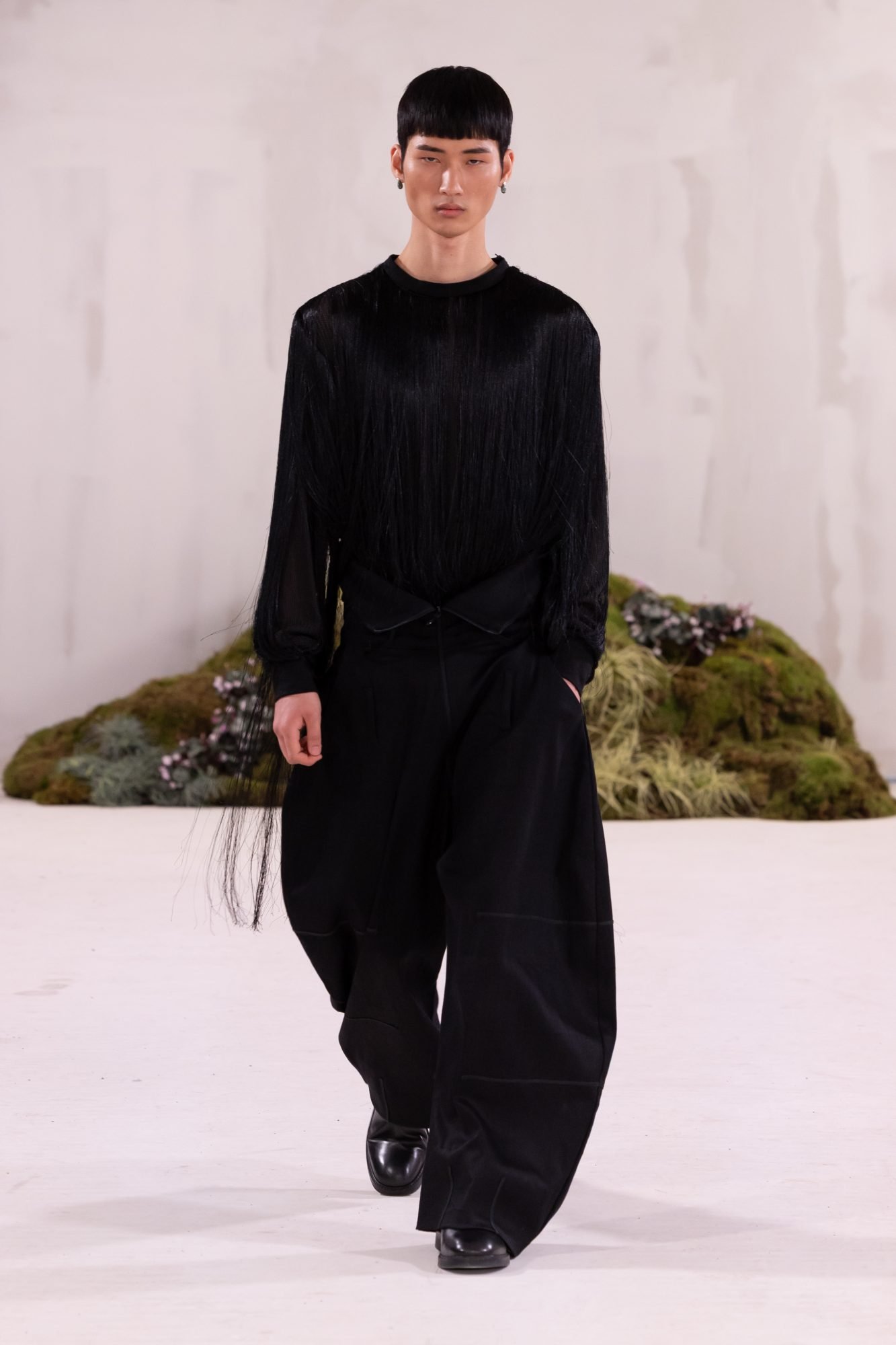
The end of the show is dressed in black. Nothing surprising given the theme, but it is pleasant and necessary to find meaning in a show, whether it is natural like here, or more personal or conceptual.
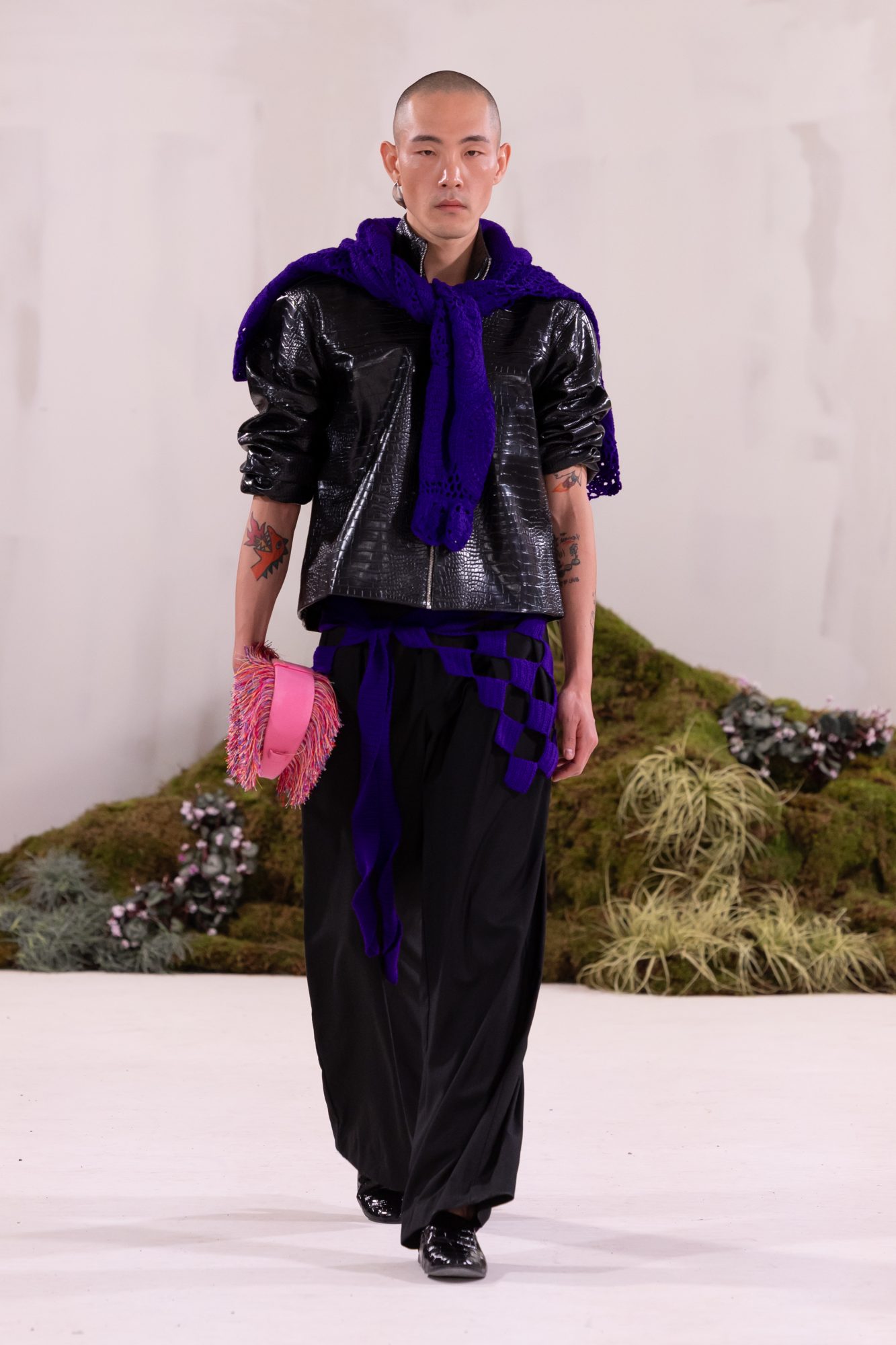
After a selection of models in bright colors, we approach the end of childhood, some may see it as a way to express the end altogether, with the gradual disappearance of colors.
Visually, the choice of mixed colors, then monochromatic, culminating in black with small touches of color, complete black, and a bride for the grand finale, is very coherent, and it is obviously everything we love to see in a show.
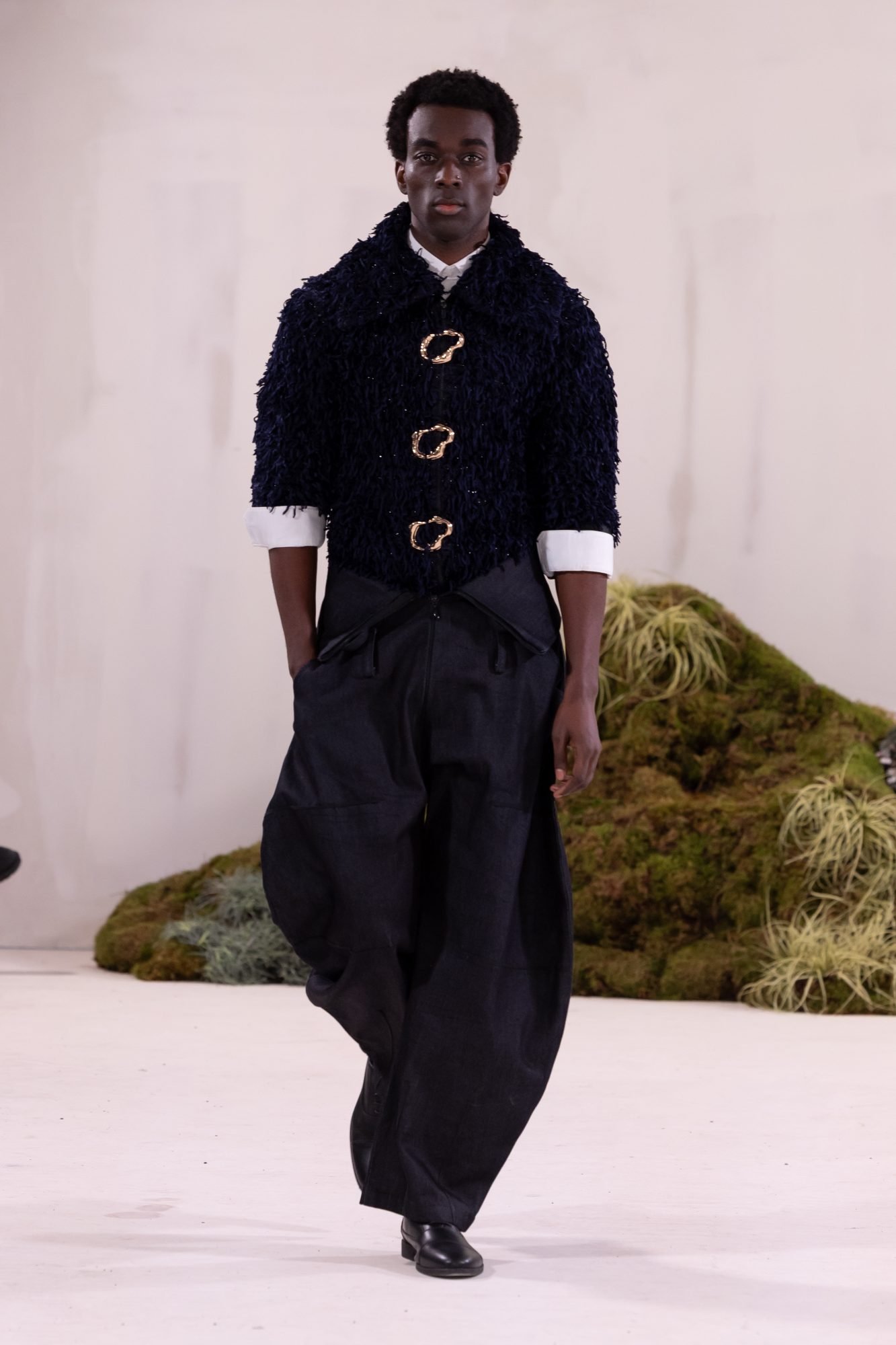
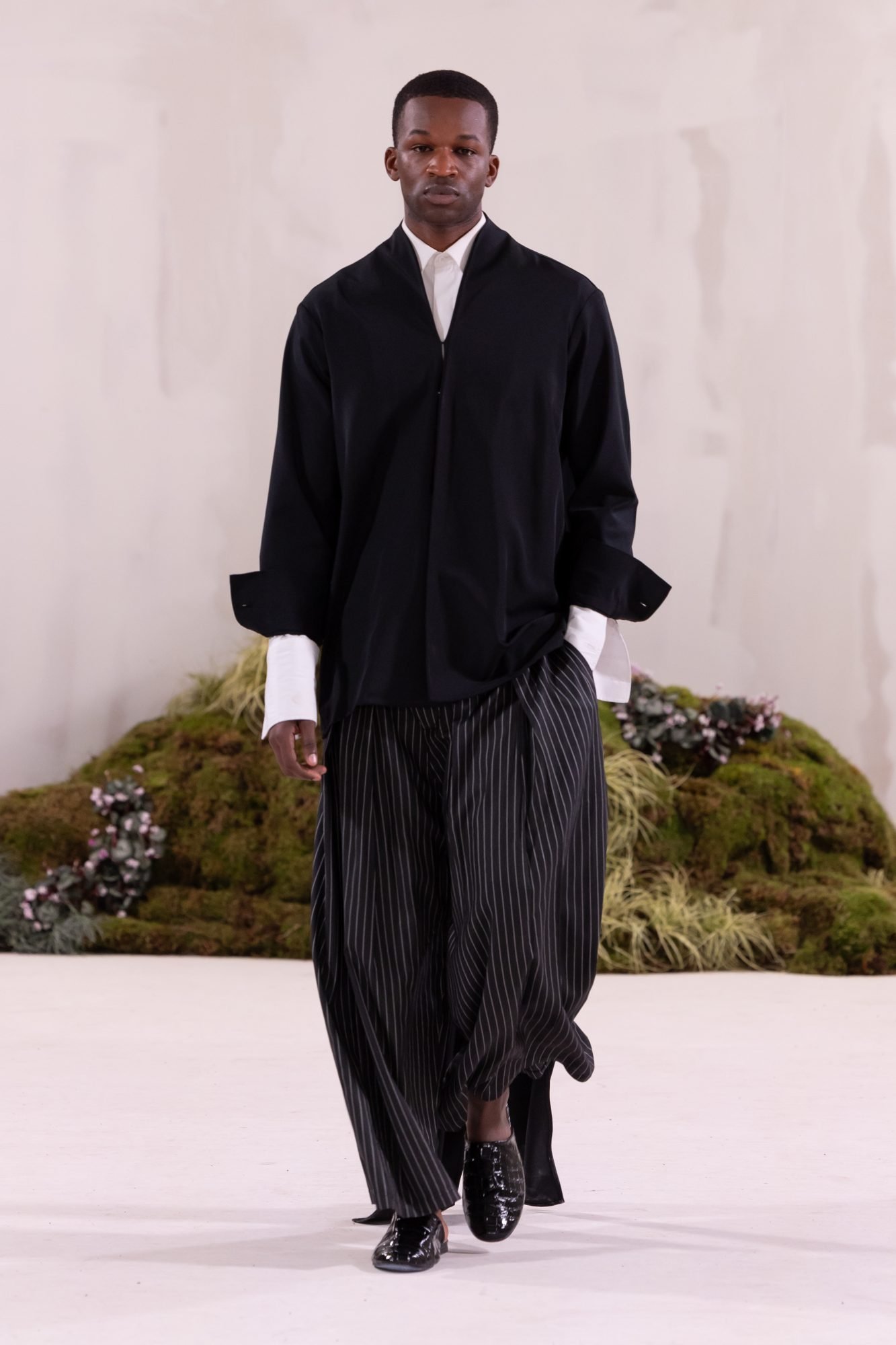
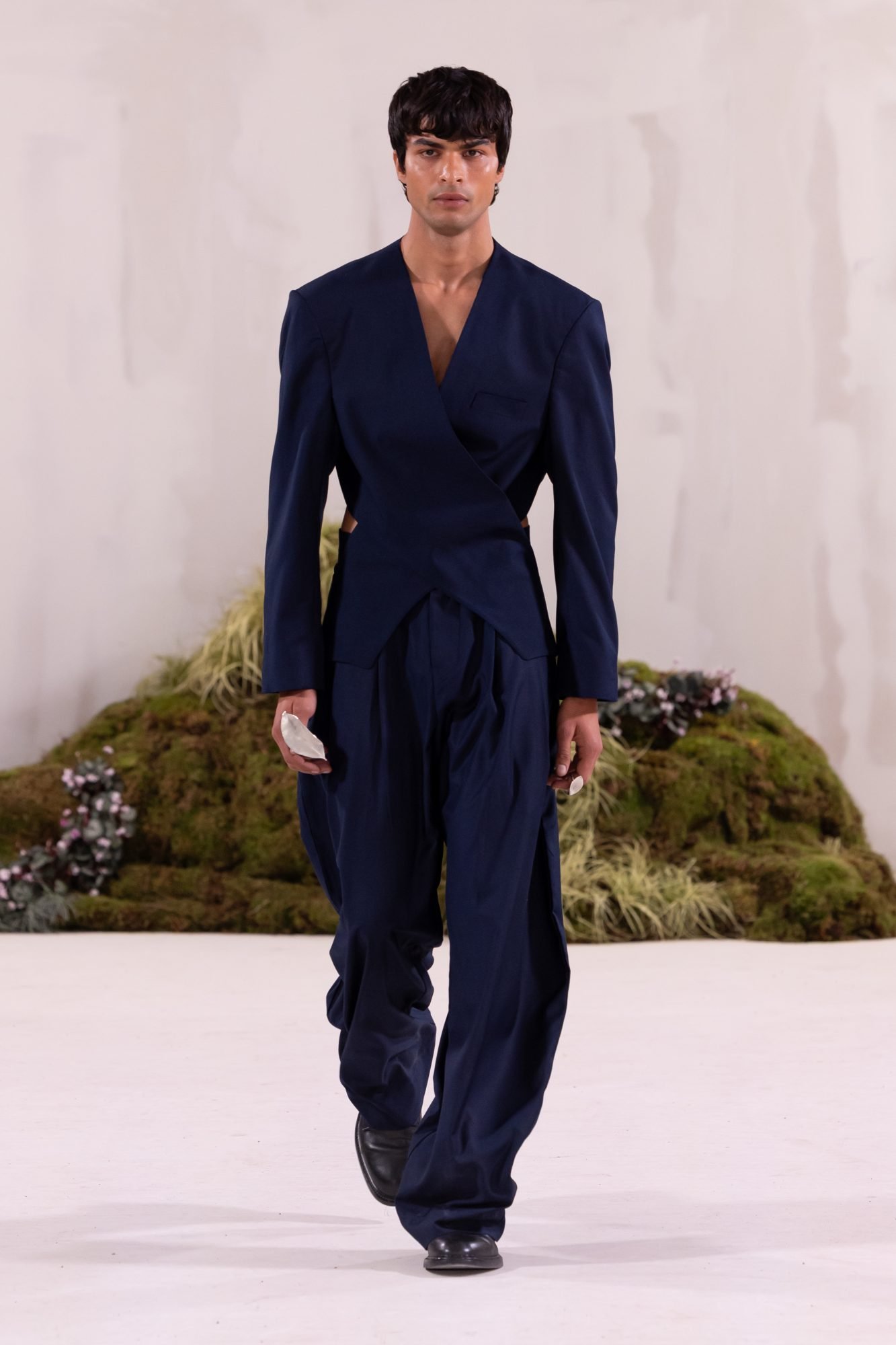
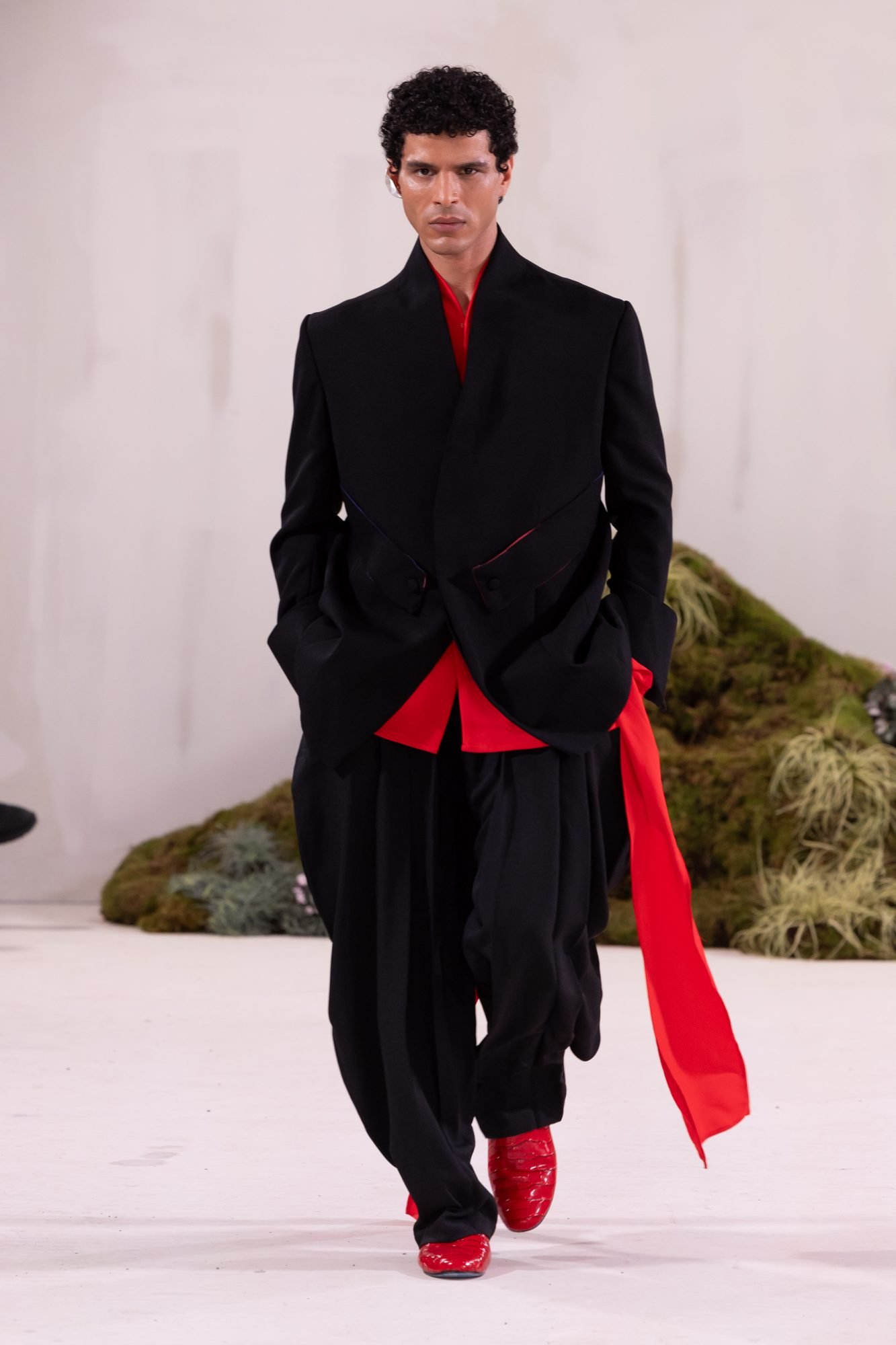
The Community: Essential for Creation
Attached to his values of sharing and driven by the desire to invite creators to bring emotions to this show through their work, the creator of Orange Culture, Adebayo Oke-Lawal, surrounded himself with other artists, such as the Kisara label for their handbags inspired by the shekere instrument, artist Paolo Sisiano for the paintings, Moni Morgan for men’s shoes and Kkerele for women, as well as other creatives for the show accessories, such as King Daviid for belts, Gemz Global for hair accessories, and In Jewels for jewelry.
Cover image: Orange Culture show, Berlin, January 31, 2026 – Berlin © Andreas Hofrichter