The black dress: a thousand lives, a thousand styles
Some garments never age — not because they defy time, but because they move with it. The black dress is one such sovereign example. Whether sleek and understated or a canvas for sartorial expression, it transcends occasions, seasons, and trends. More than a classic, it is a quiet backdrop against which personal style plays out with intent and elegance.
Its strength lies not in excess, but in restraint. From Audrey Hepburn’s Givenchy moment in Breakfast at Tiffany’s to Kate Moss’s 1990s slips, the black dress has slipped through fashion history with stealth and poise — never trying too hard, and never needing to.
From daylight poise to evening drama
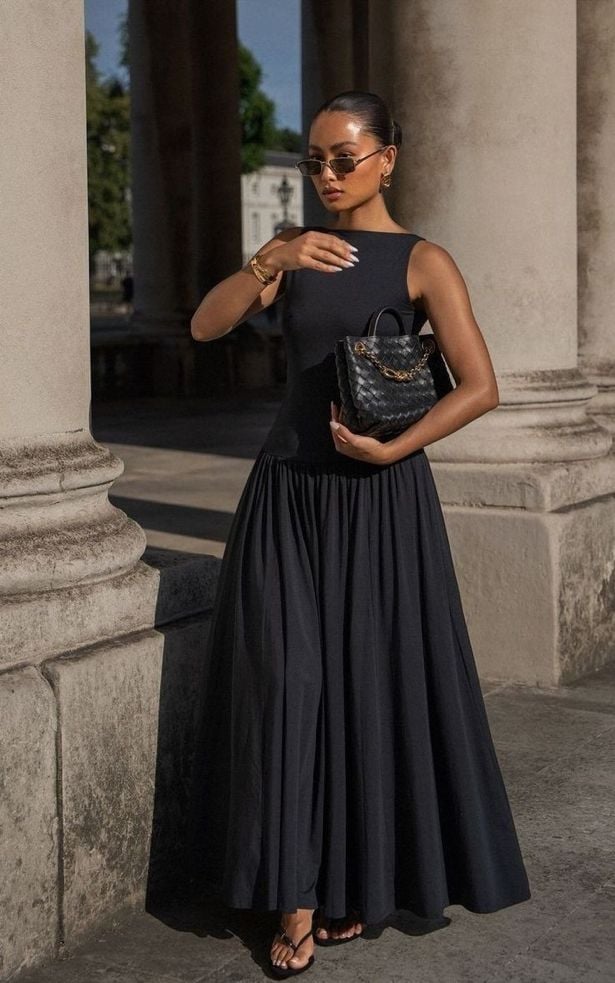
In the soft light of morning, the black dress leans into quiet sophistication. A straight cut, fluid fabric, and clean neckline are all it takes to make it the perfect partner for a sharp, stylish day. Pair it with an oversized trench, leather ankle boots and a structured bag for a look that’s as composed as it is contemporary — modern femininity in motion.
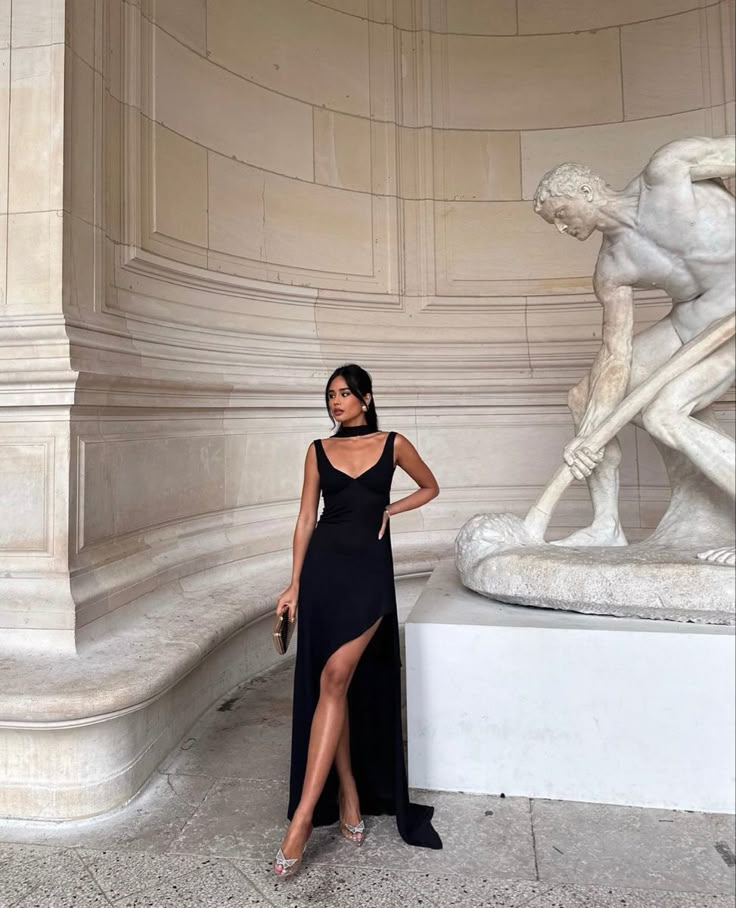
By evening, it shifts register with equal grace. A change in texture — satin, crepe, tulle — and a few chosen accents breathe new life into its silhouette. An asymmetric neckline, a single bare shoulder, or a subtle drape: the black dress whispers rather than shouts. Among today’s most relevant silhouettes, certain black dresses, such as those offered by Claudie Pierlot, embrace precise lines and immaculate tailoring to suit every hour of the day — from first coffee to final toast.
Refined minimalism or couture flourish?
Two distinct aesthetics define the black dress today. There’s the radical minimalism championed by The Row or Phoebe Philo — where everything hinges on cut, texture and silhouette — and then there’s the more expressive, detail-rich approach: a gilded clasp, an unexpected slit, a knotted back that adds structure and personality.
Saint Laurent sends black dresses down the runway with sheer fabrics and gothic allure, while Alexander McQueen offers them as architectural statements — sculpted, powerful, almost ceremonial. What both approaches share is a reverence for the black dress as a vessel: never overstyled, always intentional.
Black, after all, isn’t just a colour — it’s a language. One of precision, quiet drama, and depth.
Styling the black dress for the moment
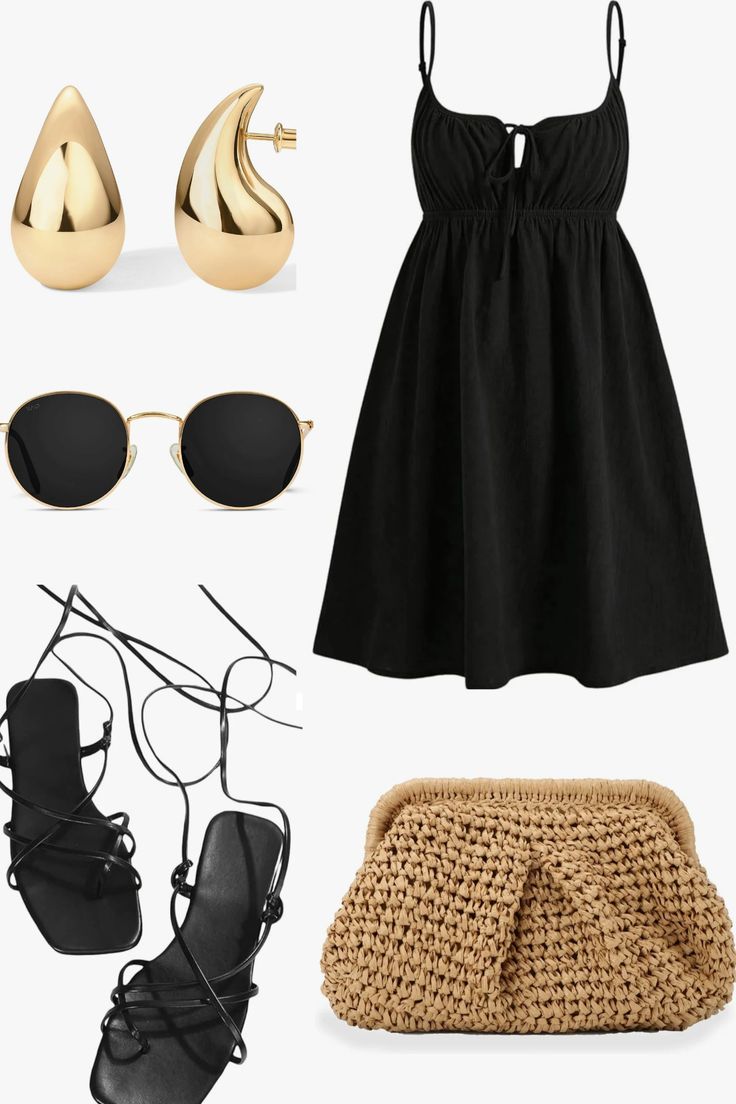
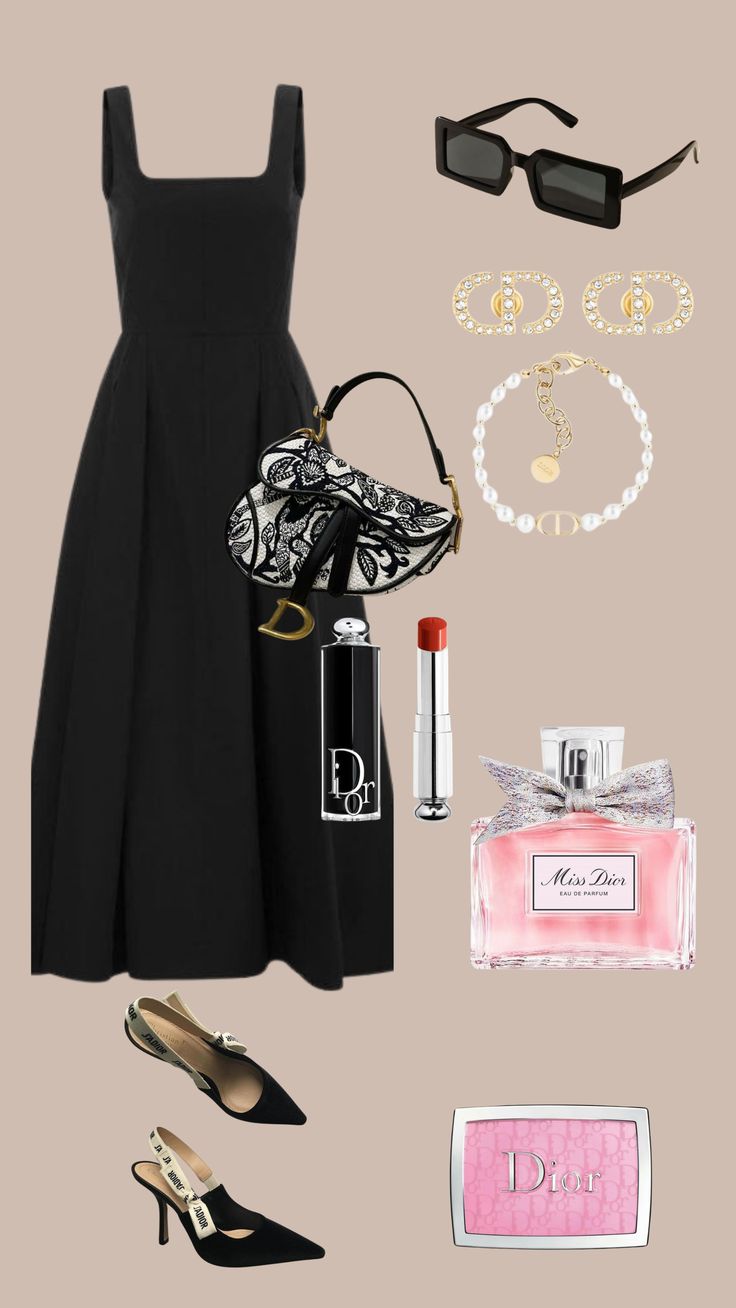
A well-cut black dress morphs effortlessly from one setting to the next, demanding only subtle styling shifts. For a boardroom lunch: a nipped-waist blazer, polished loafers, and a minimalist tote. For a gallery opening: dramatic earrings, a glass-heel pump and red lipstick — a touch of theatricality, grounded in elegance.
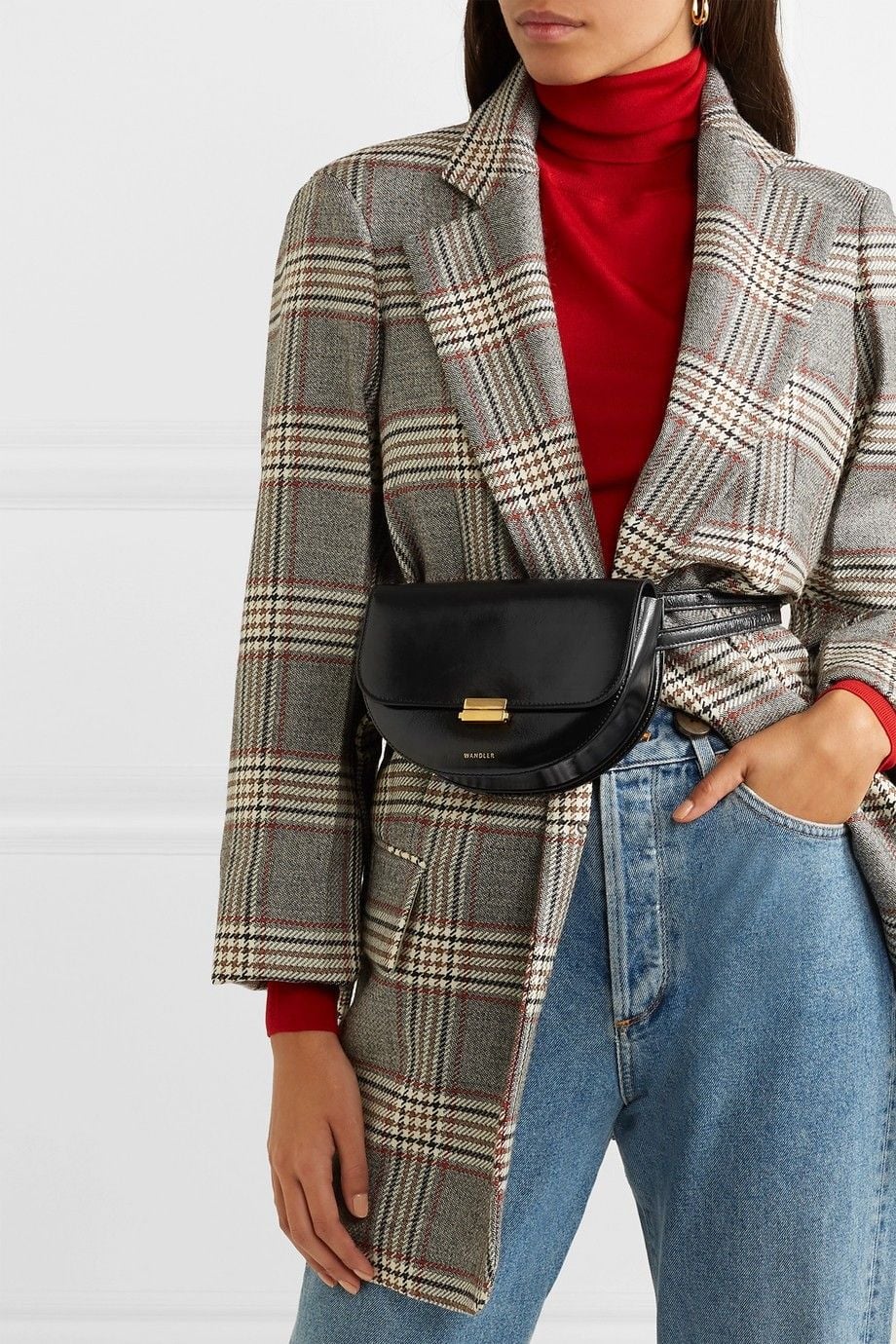
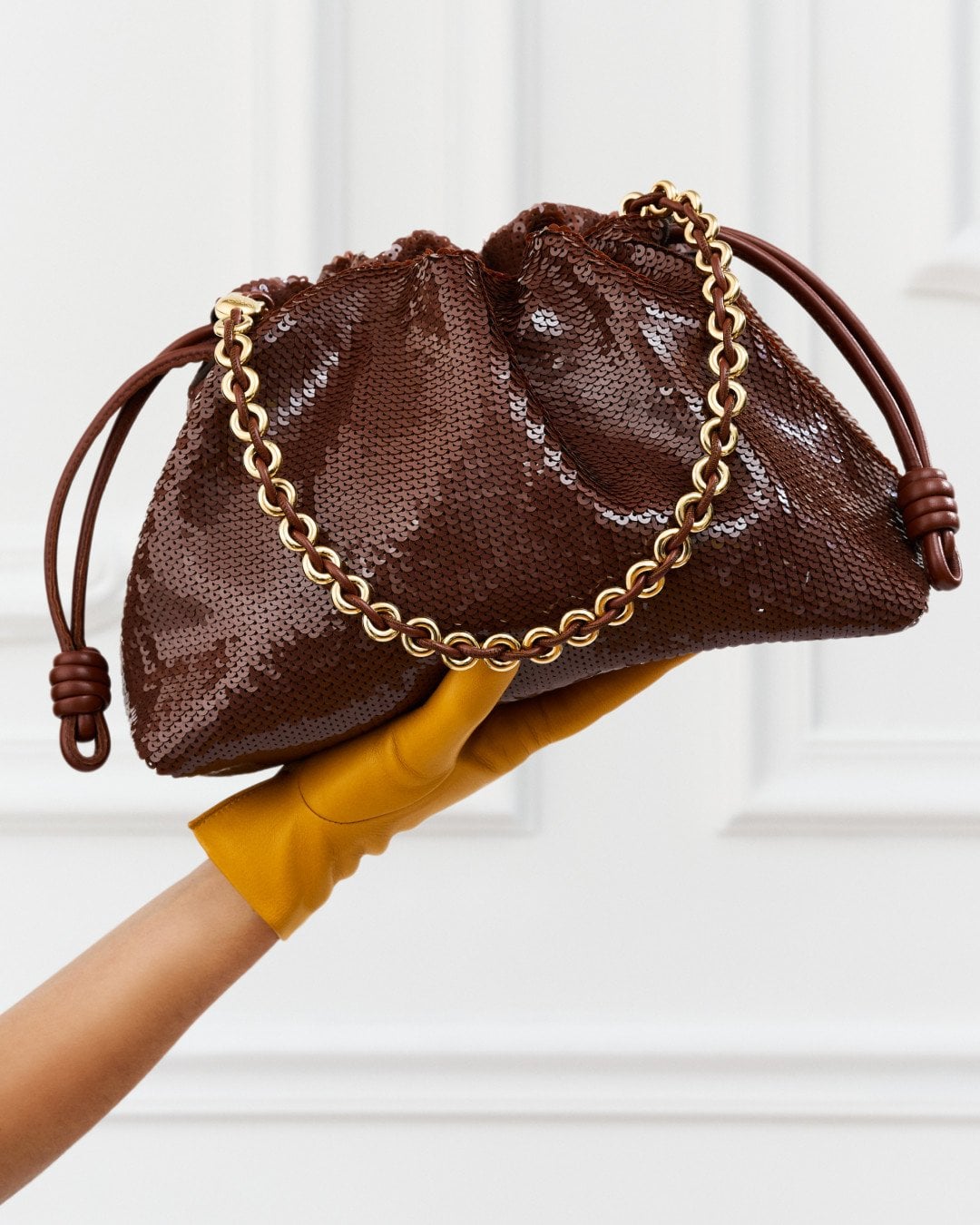
Cocktail hour invites experimentation. A leather belt adds structure, a boxy clutch injects modernity, while a statement cuff suggests boldness without noise. At weekends, layer it under a thick knit or oversized cardigan, paired with knee-high boots or sleek sneakers. It’s not about changing the dress — it’s about reimagining it, again and again.
A blank canvas for personal expression
To wear a black dress is to embrace paradox: it allows one to stand out by toning down. It’s the absence of colour that lets personality take centre stage. Far from limiting, it is liberating — letting mood, context, and self-expression define the final look.
For some, it becomes a personal uniform, revisited season after season in new guises. For others, it’s a springboard for experimentation — offset by metallic accessories, bold makeup, or unexpected textures. Perhaps this is the ultimate luxury: a garment that never imposes, but always reveals.
Because true elegance isn’t loud — it’s aware.