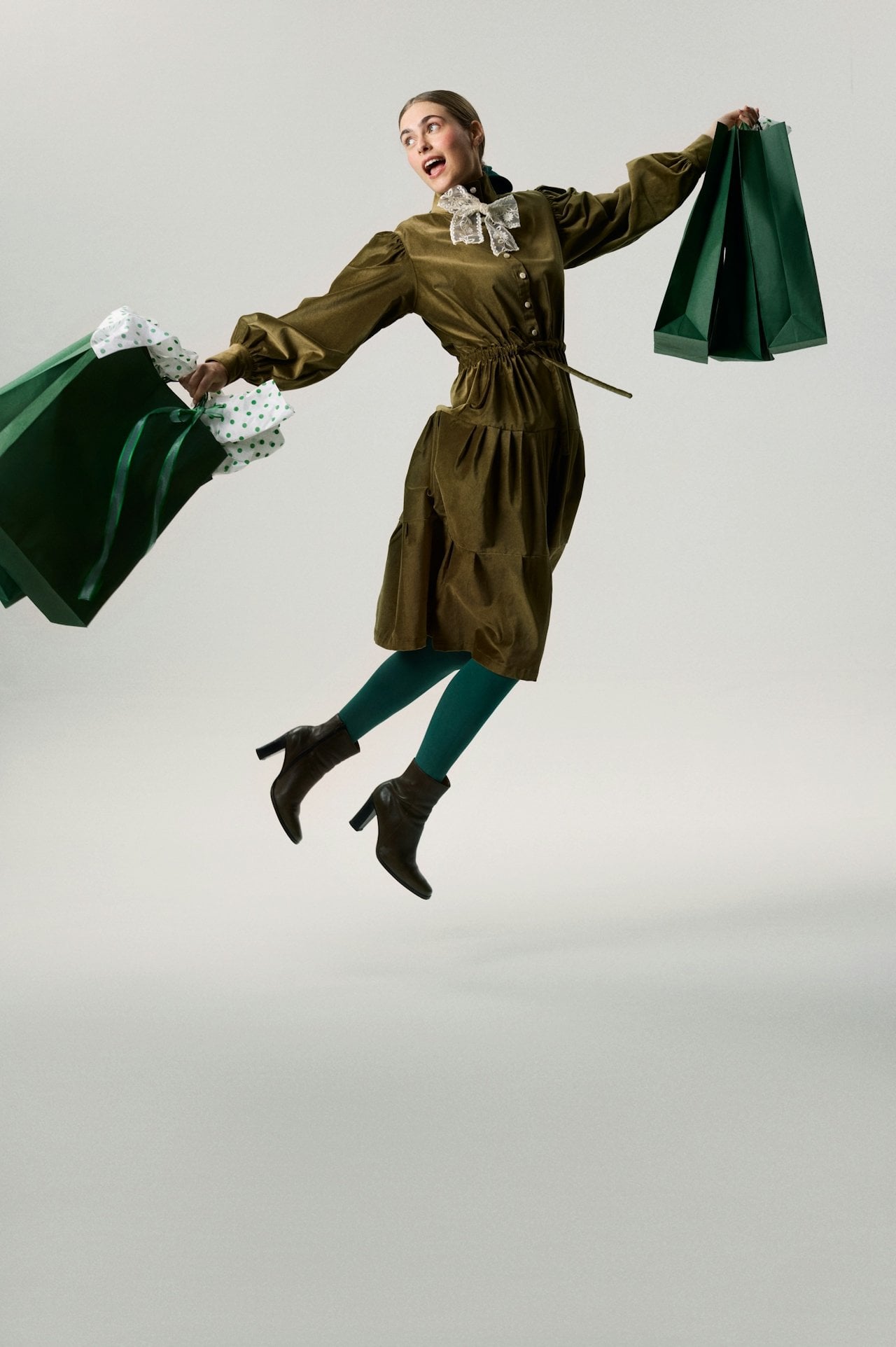
Children and Winter: What Nordic Countries Really Teach Us
This publication is also available in:  Français
  Deutsch
  Italiano
  Español
  English (US)
In Sweden, Denmark, or Norway, the cold does not mark the end of children’s play. It simply redefines how to inhabit winter, without fantasy or heroism.
For several years, the Nordic imagination has infused French family conversations. Alternative schools, gentle pedagogies, minimalist aesthetics: everything seems to indicate a peaceful relationship with childhood. However, winter remains the point of friction. How can we accept that children spend hours outside when the thermometer hovers around zero, sometimes below?
Contrary to a widely held belief, this practice is neither a taste for hardship nor an educational folklore. It fits into a collective organization thought out for the long term: adapted infrastructures, coherent school rhythms, an accepted relationship with the climate. The cold is not fought against; it is integrated.
Transposing this model without understanding it often leads to misunderstandings: forced outings, inappropriate equipment, parental guilt. The Nordic countries do not offer a universal manual, but a mirror. Observing their relationship with winter primarily allows us to question our own: what do we make of the cold weather? What do we project onto children’s bodies? And what if, instead of imitating, it was about translating — with discernment — a philosophy of daily life where winter remains a season experienced, not suspended?
Why Nordic children go outside all year round
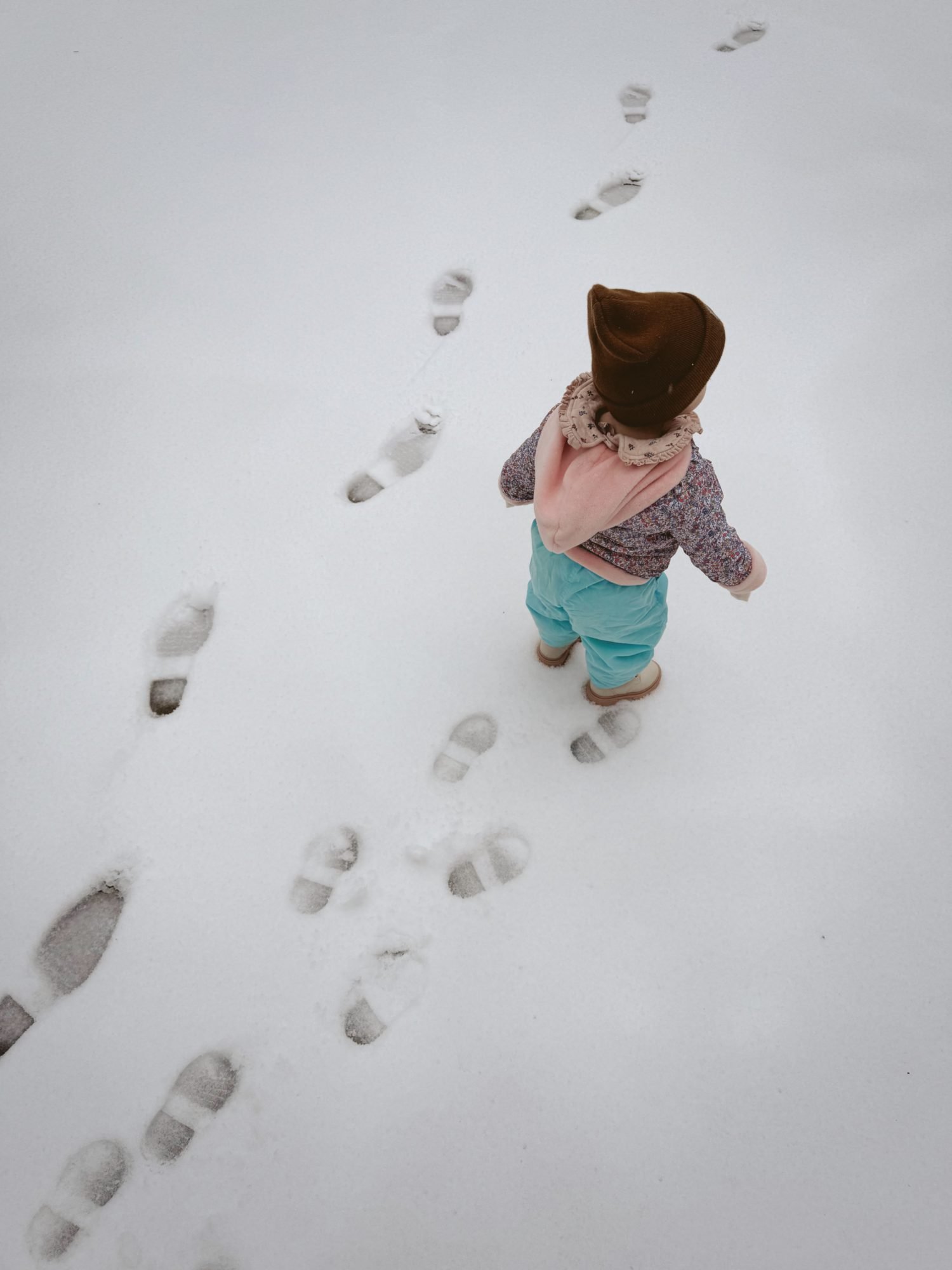
In the Nordic countries, outdoor childhood is not negotiated with every change in weather: it is structural. Schoolyards are designed to accommodate rain, snow, and wind. Public parks are accessible year-round. School rhythms incorporate outdoor time, regardless of the month.
This constant relationship with the outdoors is based on a collective trust: trust in children’s ability to feel their bodies, trust in the equipment, trust in the framework. The cold is perceived as a neutral factor, not as a permanent danger. Adults do not wait for ideal conditions; they adapt to the reality of the climate.
What also changes is the role of public space. Where many French cities become “slippery” in winter — narrow sidewalks, congested streets, few places to stop — Nordic environments are often designed as natural extensions of daily life. Going out is not a logistical expedition; it is a continuity.
And then there is a cultural nuance: winter is not associated with boredom, but with a different palette of sensations. The silence of a frozen park, the low light, the snow that softens footsteps: all invite a form of presence. It is not “better,” it is different — and it is precisely this “different” that intrigues.
The central role of the adult: accompanying without overprotecting
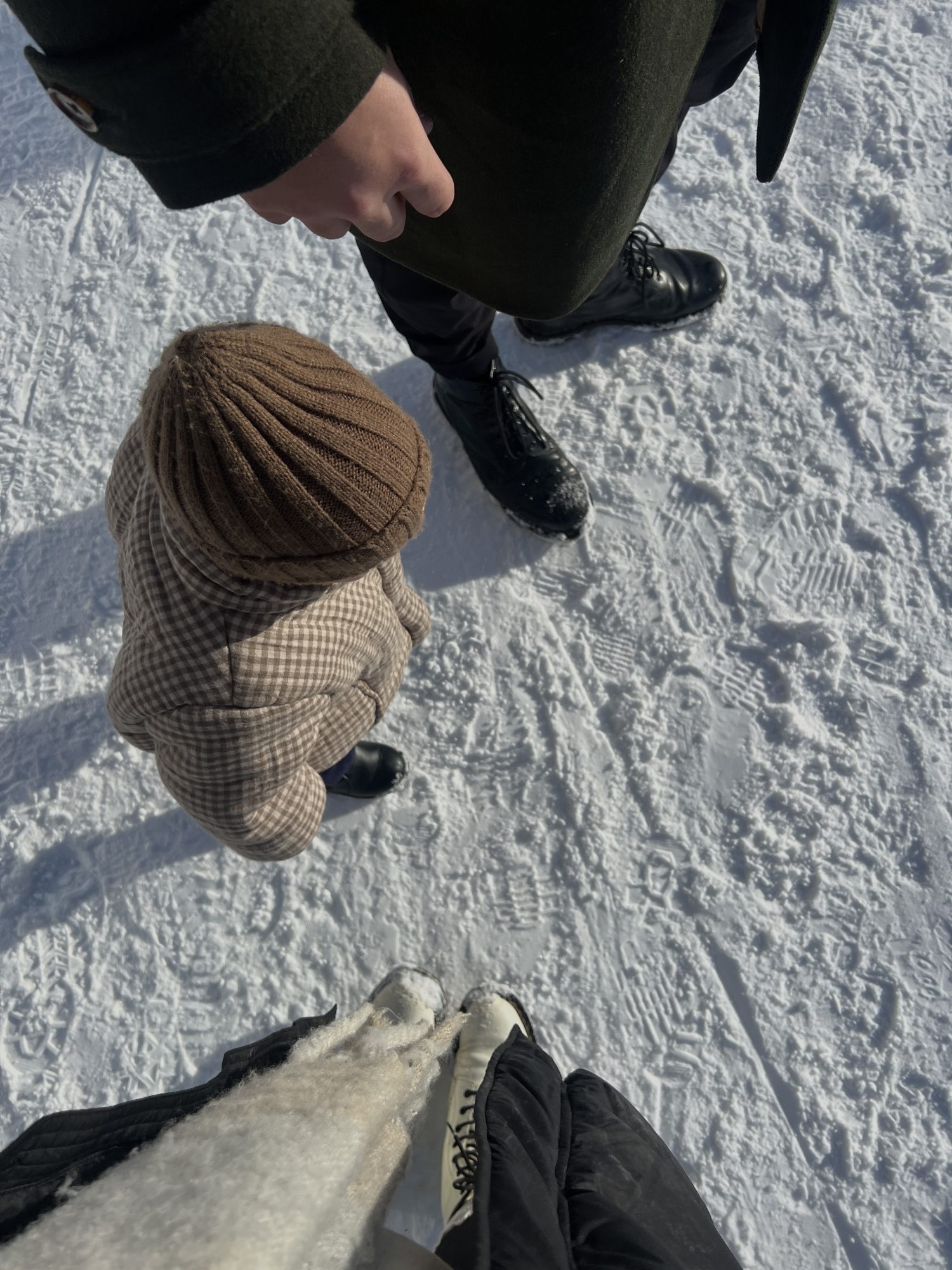
The heart of the Nordic model does not lie in physical endurance, but in the adult posture. Observe before intervening. Adjust without dramatizing. Trust without abandoning.
Children learn very early to recognize their sensations: feeling cold, feeling too hot, sweating. This fine listening to the body is encouraged by adults who do not overprotect but secure the environment. Clothing plays a key role here: layering, breathable materials, gradual adjustment. Nothing excessive, nothing rigid.
There is a rarely articulated parental skill: the reading of “real comfort” rather than “assumed comfort.” A child who moves, laughs, explores, often feels less cold than one might imagine. Conversely, a child too bundled up may sweat, cool down afterward, and experience the outdoors as a constraint.
In France, the difficulty often lies in anxious anticipation: fear of illness, colds, discomfort. However, in Nordic countries, the cold is not equated with aggression, but with a variable to manage. The adult does not impose the outdoors; they accompany it, with consistency and coherence.
What can be adapted in France (and what doesn’t work)
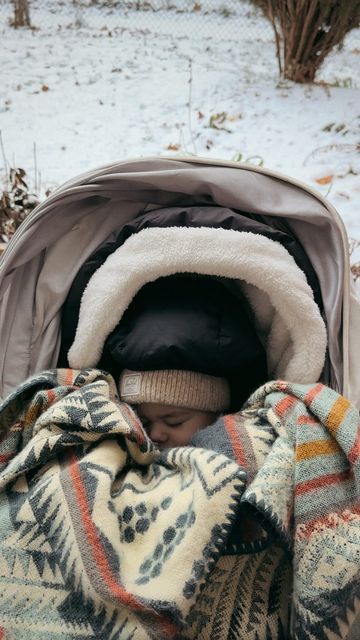
Trying to reproduce the Nordic model exactly is a mistake. The French climate is more unstable, school infrastructures are uneven, and family rhythms differ. Taking a child outside in cold weather without appropriate equipment, without a secure space, without consistency, leads to failure — and frustration.
What can be transposed, however, involves simple adjustments: going out more often, even briefly; accepting that winter is not an indoor season; investing in truly functional rather than decorative clothing. The essential aspect is not the duration, but the consistency.
A useful guideline: think in micro-outings. Ten minutes after school. A detour through a park before heading home. A morning market where the child walks, jumps, observes. These are formats compatible with busy days.
What works poorly, on the other hand, is imitation without context. Successful adaptation rarely resembles an idealized image: it looks like a realistic, adjusted, imperfect — thus sustainable daily life.
Rethinking winter as an active season, not suspended
The most valuable lesson from Nordic countries may lie here: winter is not a dead time. It calls for another way to move, play, sometimes slow down — but never to freeze.
Rethinking winter means accepting that the body adapts, that the landscape changes, that habits evolve. It is not a matter of educational fashion, but of continuity of childhood.
There is also an emotional dimension: the outdoors often acts as a regulator. A child who has run, breathed, touched the cold with their fingertips comes back different. Less saturated. More available.
By ceasing to see winter as a constraint to endure, families can find a discreet freedom: fewer expectations, more presence, a simpler relationship with reality.
Taking inspiration from Nordic countries does not mean adopting their practices unfiltered, but questioning our own reflexes. And if winter were not a season to endure, but to inhabit differently? By accepting the cold as a parameter — and not as an obstacle — childhood regains a valuable continuity. Even when the landscape strips bare, life never goes on hold.