Fibermaxxing: why is everyone talking about this nutrition trend?
This publication is also available in:  Français
  Deutsch
  Italiano
  Español
  English (US)
Among all the improbable and sometimes dangerous health trends, fibermaxxing stands out for its common sense. This recent term has gained traction on social media, particularly on TikTok, with a trend that involves incorporating more fiber into one’s daily diet.
A little reminder, if your biology classes were a while ago (and if you’re not a big fan of vegetables): fiber can be found in plants, legumes (split peas, flageolet beans, lentils, chickpeas), as well as in oats, chia seeds, and even rice.
Even though this trend may seem beneficial to health at first glance, I’m providing you with a little guide to better understand what fibermaxxing is and how to incorporate it into your diet.
A whole name for a concept that is quite simple: eating healthily. Fibermaxxing, this nutrition trend that is booming on social media, encourages adding more fiber to your plate. Nothing new under the sun, but an accessible and sensible approach, in line with the “healthy lifestyle” aesthetic that appeals to TikTok and Instagram. Behind the videos of green smoothies and colorful bowls, the message is clear: a fiber-rich diet consisting of fruits, vegetables, whole grains, legumes, or seeds helps with better digestion, keeps you feeling full longer, and provides energy. Fibermaxxing embodies a new way of approaching nutrition: more conscious, more plant-based, but above all, more realistic. A reminder that the healthiest trend is often the simplest: the one that puts natural foods at the center of daily life.
Fiber-rich foods and how to cook them
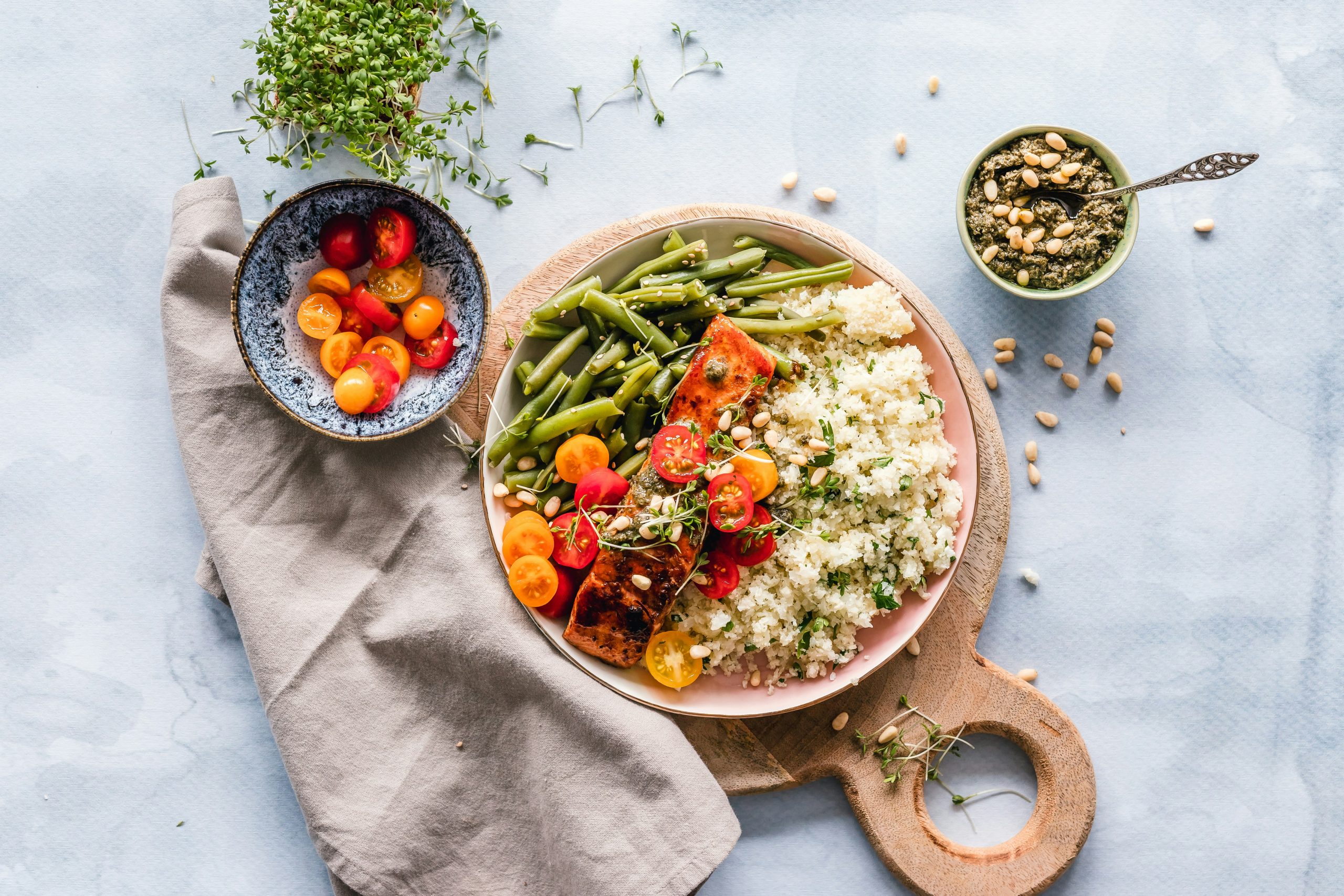
Good news: fiber easily fits into almost every meal. They can be found in fresh fruits and vegetables, of course, but also in legumes (chickpeas, lentils, kidney beans), whole grains, chia or flax seeds, and even in certain pasta made from whole wheat or peas. In terms of cooking, there’s no need to revolutionize everything: an oatmeal porridge in the morning, a lentil soup or a chickpea curry in the evening is enough to boost your fiber intake. You can also sprinkle your dishes with seeds, prefer whole grain bread over white baguette, or swap classic pasta for its whole grain version. The idea is not to follow a strict diet, but to gradually add more natural and textured elements to your plate. There’s one simple rule that works when you want to eat healthier: add colors to your plate!
Preferably, if you wish, opt for steaming or gentle cooking to retain maximum vitamins and fiber. And for those who enjoy it, it’s the perfect time to be a bit heavier on the spices: paprika, curry, turmeric, masala… all scents are welcome to give your dishes a lift.
The limits of fibermaxxing
You probably know that an excessive amount of fiber can lead to bloating and digestive discomfort. Even though this trend is full of common sense and good for health, it must of course be adapted to your needs and your body. For example, if you have very fast digestion, it’s better to start with small daily doses of fiber, allowing your body to adjust to this new rhythm. If you experience stomach pains after changing your diet, don’t hesitate to consult your doctor or a specialist who can guide you.
The advantage of fibermaxxing is that it’s not really a new trend: it’s simply about consuming the right amount of fiber each day and returning to the basics of eating, with natural and unprocessed products. But the magic of social media is also about bringing the basics of health back to the forefront, and that’s not too bad!
Image credit: ©Photo by Ella Olsson on Unsplash