GRWM, Vlogs, Moodboards: Fashion is Filmed Behind the Scenes
This publication is also available in:  Français
  Deutsch
  Italiano
  Español
  English (US)
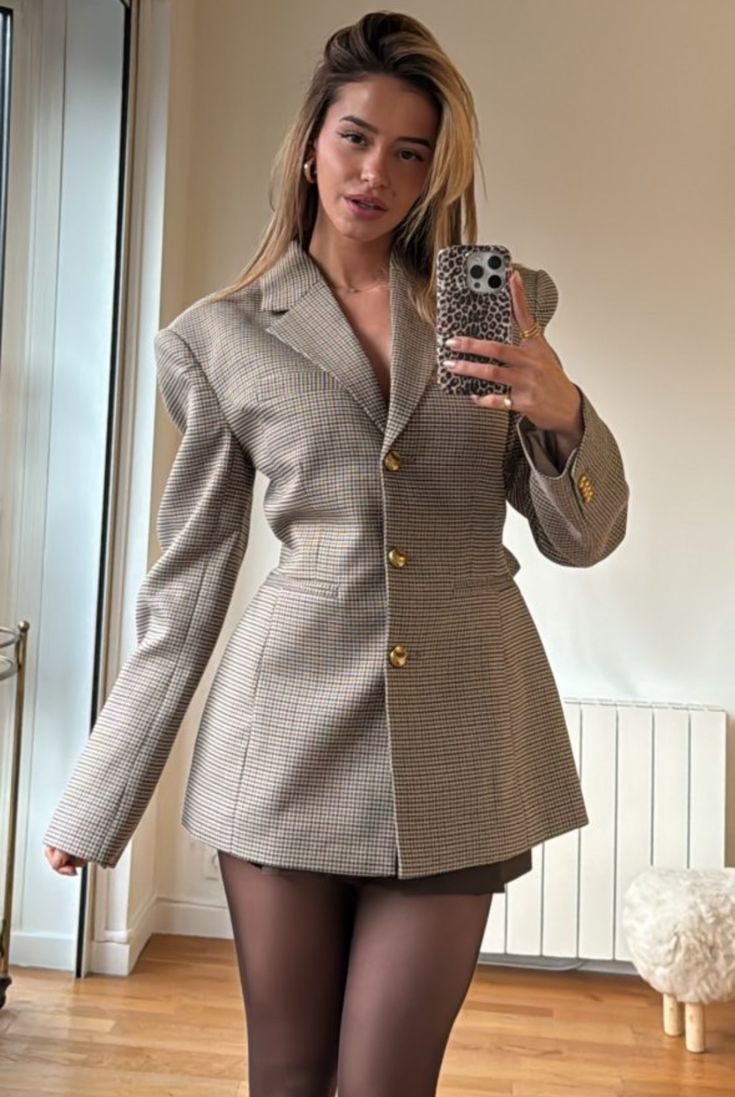
On TikTok, Instagram, or YouTube, style is no longer read in the columns of a magazine; it is watched, listened to, and edited. The era of the static lookbook gives way to a more instinctive narrative, driven by vertical-format videos — between intimate confession and controlled artistic direction. At the intersection of lifestyle, editing, and wardrobe, new codes emerge: GRWM, animated moodboards, Fashion Week vlogs. Fashion is no longer just lived on the runway; it is experienced backstage, smartphone in hand.
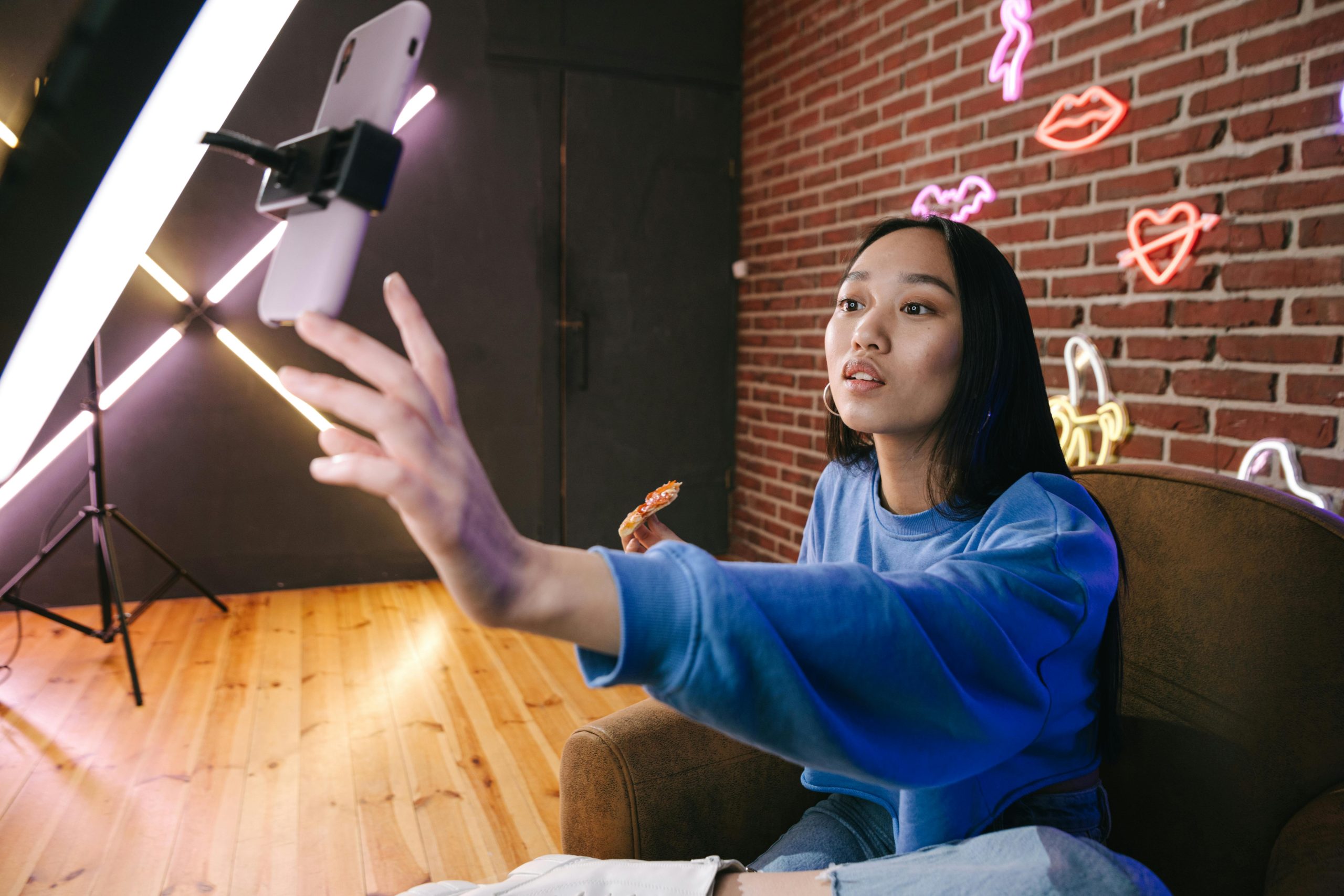
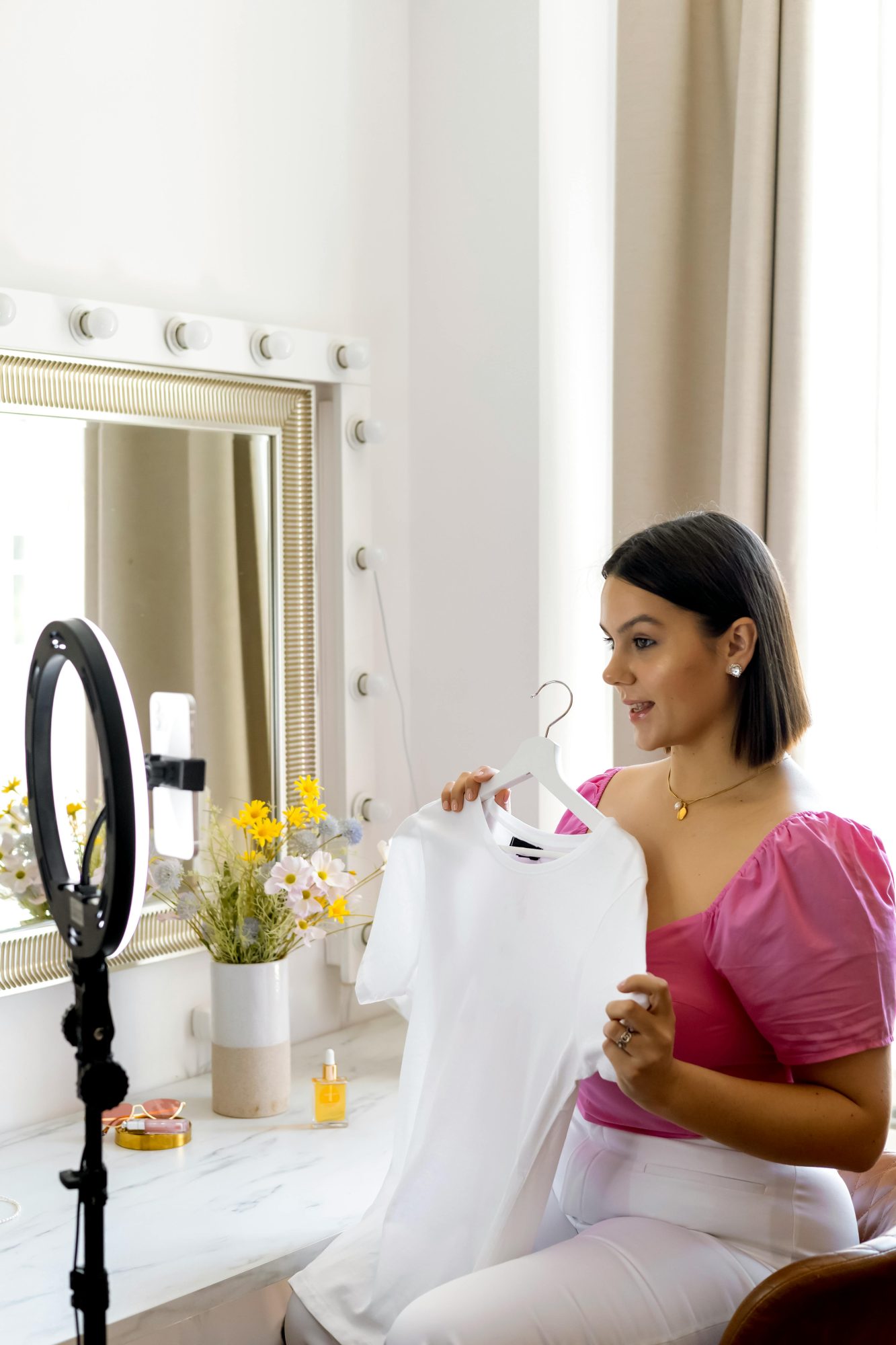
They initially seemed anecdotal, almost spontaneous. Yet, within a few months, GRWM (“Get Ready With Me”) videos have become essential appointments. More than just a filmed outfit choice, these formats tell a mood, a context, a gesture — a way of being in one’s clothes. They convey what photos cannot express: temporality, movement, hesitation.
Fashion Week vlogs contribute to this same immersive dynamic. Far from institutional content, they offer a personal view of the shows, backstage, showroom corridors, or the streets of Milan. Content creators no longer just document an event; they interpret it through their own aesthetic.
As for animated moodboards, their comeback is striking. Long relegated to paper format, they now return as carefully edited videos, mixing archival footage, film excerpts, editorial photos, and graphic elements. The result? An atmosphere, a vision, a universe.
Video, a tool for editing personal style
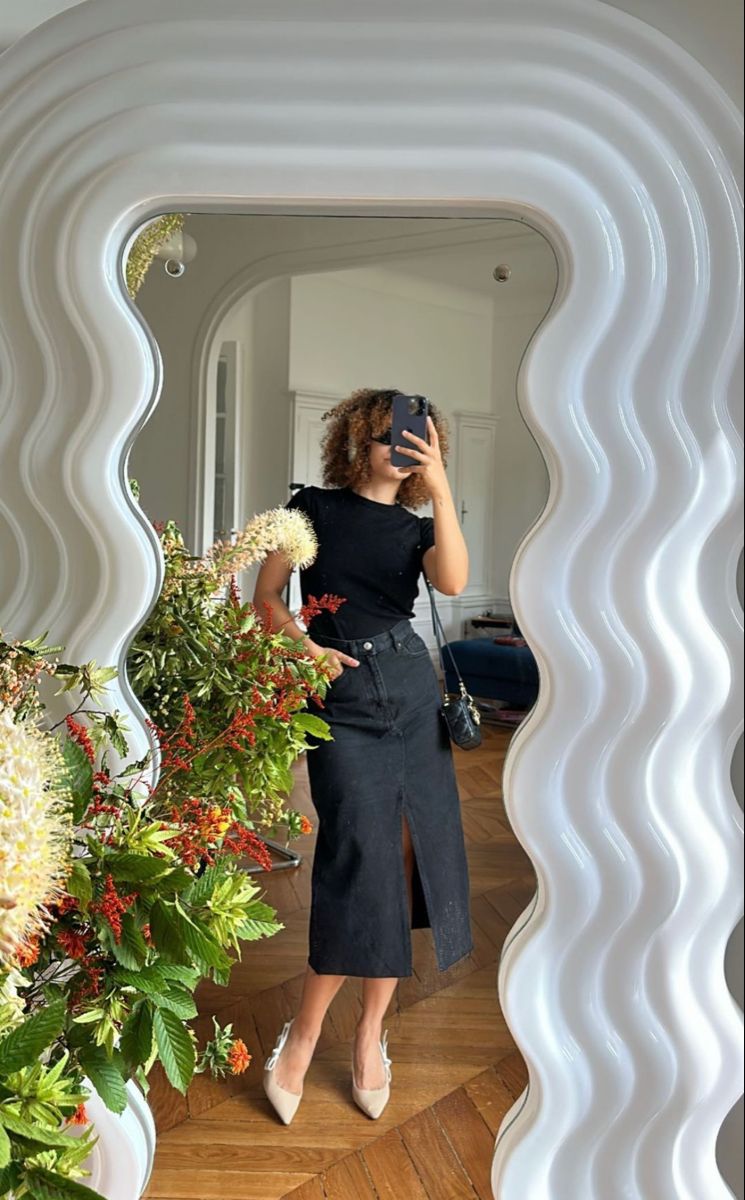
More than a medium, video has become a tool for editing style. It allows for shaping an image, refining a message, playing with temporalities and textures. It is an extension of the wardrobe, almost a continuation of the mirror.
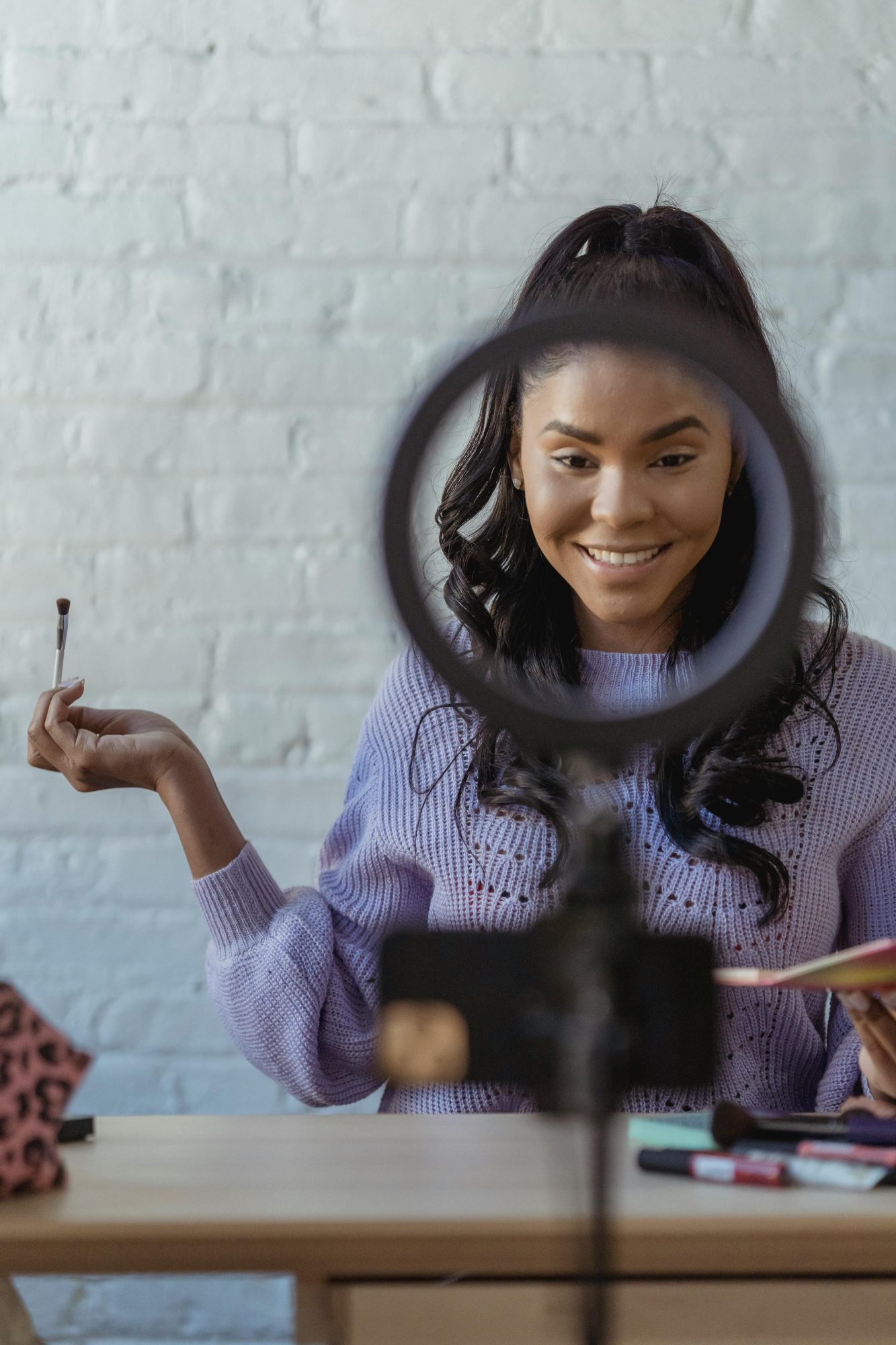
This democratization of audiovisual expression also relies on intuitive and accessible tools, which no longer require advanced technical knowledge. Platforms like Clideo allow you to edit your videos, add sound, transitions, or even subtitles, directly online. In just a few clicks, a video becomes an editorial object, ready to be shared on social networks.
When the backstage becomes the real show
The public’s gaze has shifted. What is now expected from a content creator is no longer a single polished image, but an immersion in their creative process: spontaneous fittings, everyday gestures, morning light on a messy wardrobe. This apparent authenticity, often carefully orchestrated, becomes the true aesthetic signature of many fashion personalities.
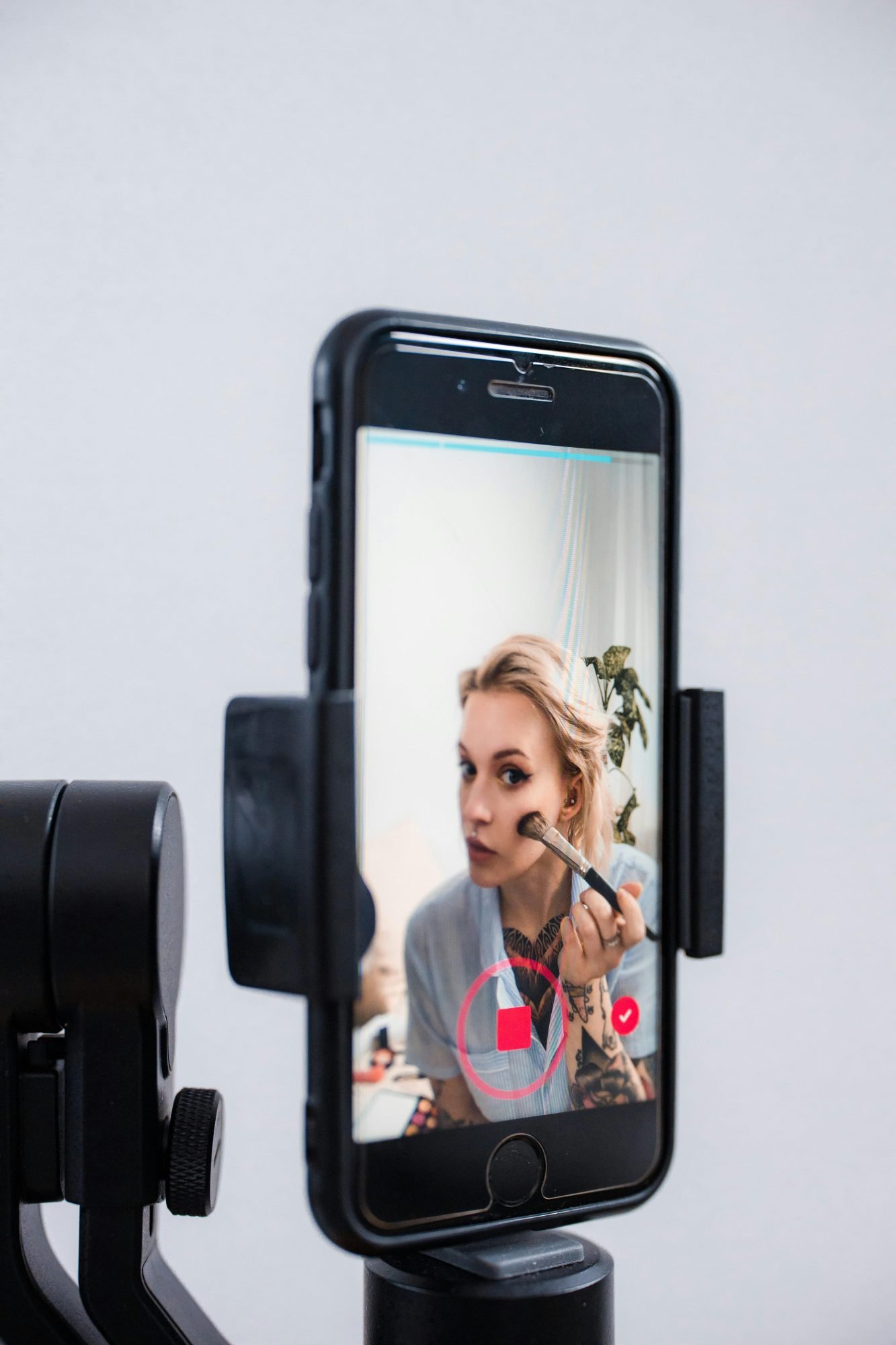
Behind these “filtered” contents lies a precise editing process. Creators prefer mobile applications to work on their videos efficiently and coherently. Clideo — Video Editing, for example, offers a mobile solution adapted to current creation rhythms: smooth transitions, optimized vertical format, quick integration of visual elements.
Towards a new grammar of digital chic
Transitions, color palettes, animated typography, subtle visual effects… A true grammar of digital chic has established itself. It is not decreed; it is built. Through viewing, inspiration, and editing. The way to film an outfit, stage it, choose the rhythm of the edit, or the tone of a voiceover becomes an essential component of style itself.
Today’s creators are no longer just stylists or influencers: they are also directors, editors, storytellers. Each video is a mini-narrative, an aesthetic manifesto, a manifesto of self. And in this new age of fashion, where movement takes precedence over the still image, filming becomes a form of elegance.