Nigerian Leather: A Luxury Heritage to Rediscover
This publication is also available in:  Français
  Deutsch
  Italiano
  Español
  English (US)
In a world where global luxury is often written in foreign ink, Nigerian leather stands as a symbol of authenticity and craftsmanship. In Lagos, designer Isi Omiyi is redefining the contours of this artisanal tradition, offering pieces that transcend borders and claim their origin.
A local craftsmanship on the rise
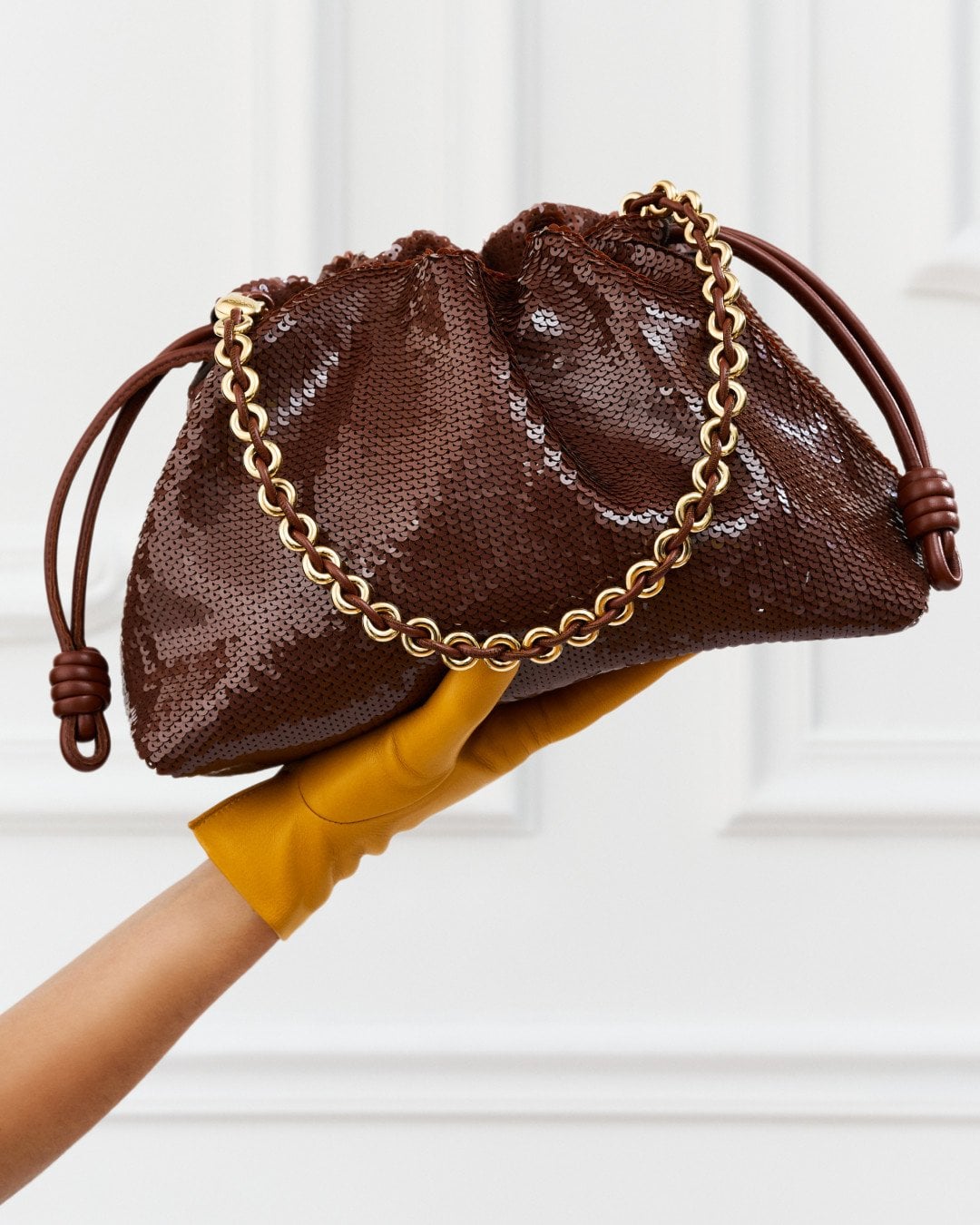
Inside her apartment, a boutique corner asserts itself, where bags, wallets, and leather shoes, carefully displayed, have prices reaching up to $1,500. “Leather is part of our heritage. I cannot just stand by and watch others receive all the credit for work that we started here,” says Isi Omiyi. Her passion resonates in her words, an invitation to restore Nigeria to the place it deserves in the luxury market.
Every day, tanneries like Ztannery in Kano, the cradle of the industry, transform fresh hides into semi-processed leather, supplying major brands such as Ferragamo. However, this dynamic is often hindered by a lack of access to resources for local designers. The traditional tanneries, like that of Majema, continue to perpetuate artisanal methods, showcasing an unparalleled cultural richness.
“Nigerians, with their own means, are capable of creating items that deserve to be bought.” – Femi Olayebi
Initiatives are multiplying to structure this sector, with events like the Lagos Leather Fair, which highlight the potential of Nigerian leather. As the trend towards valuing authenticity and local production takes hold, “Made in Nigeria” leather positions itself as a promise: that of a future where luxury and heritage meet.
As awareness intensifies, the invitation is extended: rediscover the heritage through creations that are not just products but a true expression of culture.