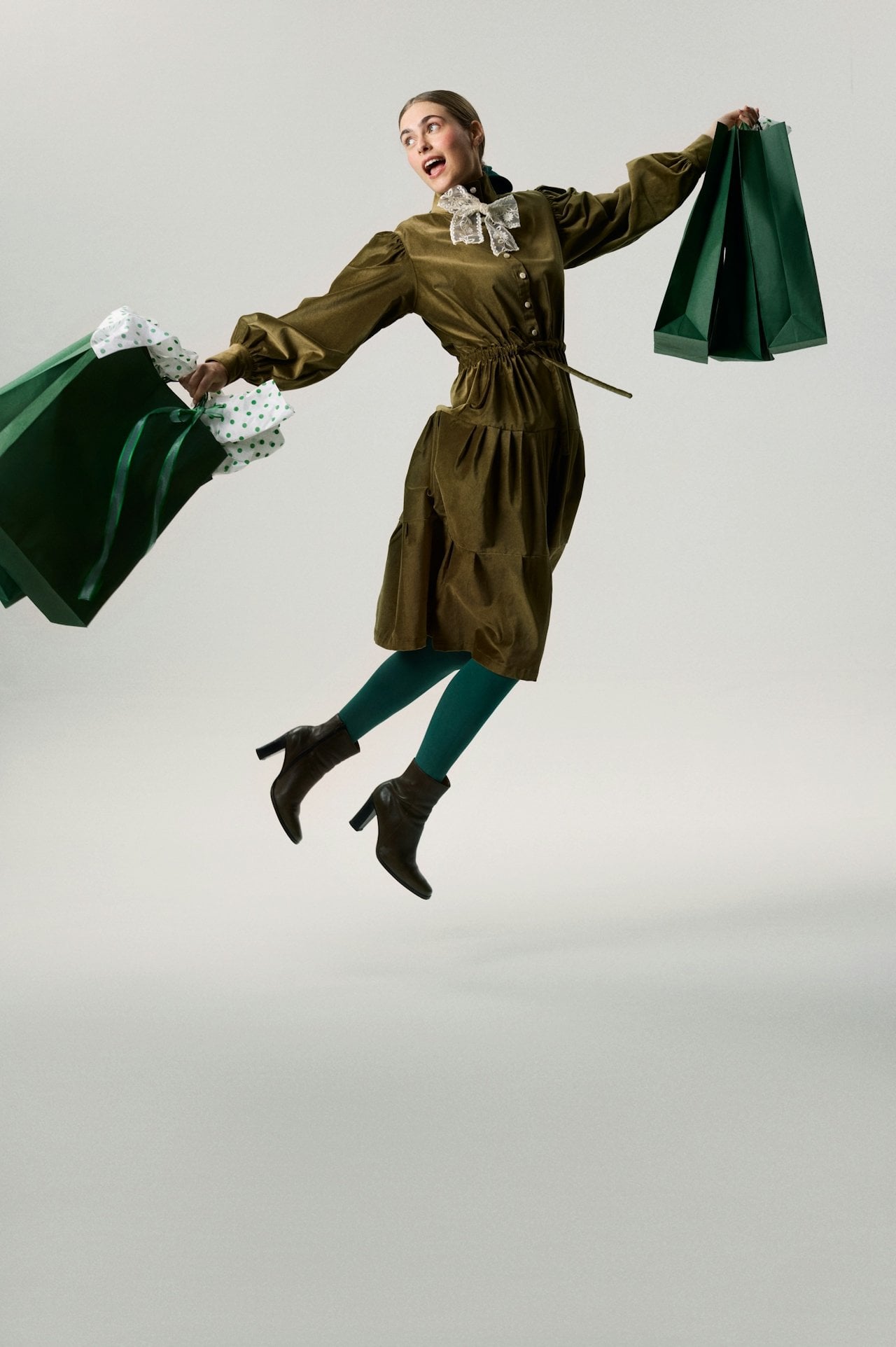
The shopping experience, new urban luxury
This publication is also available in:  Français
  Deutsch
  Italiano
  Español
  English (US)
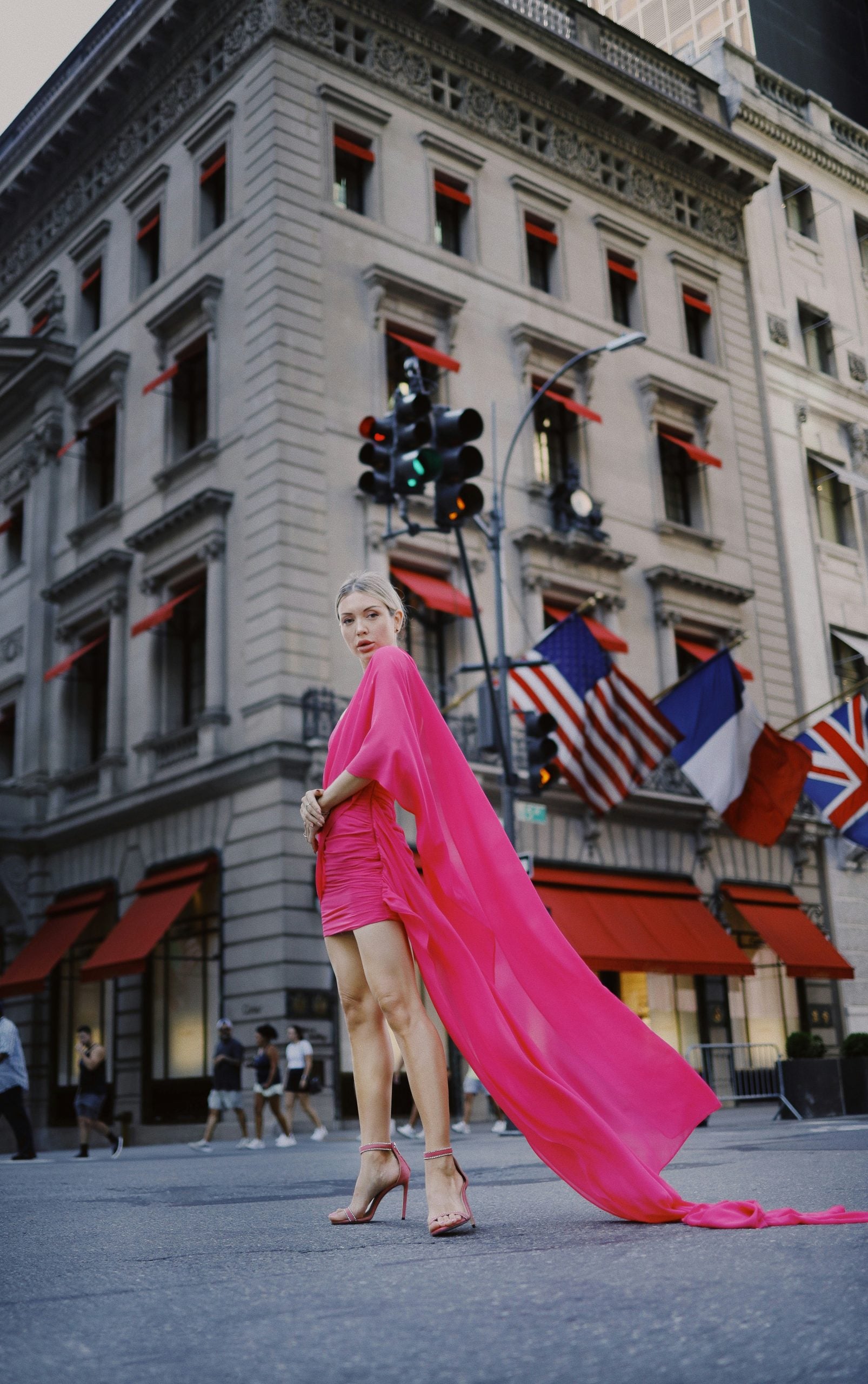
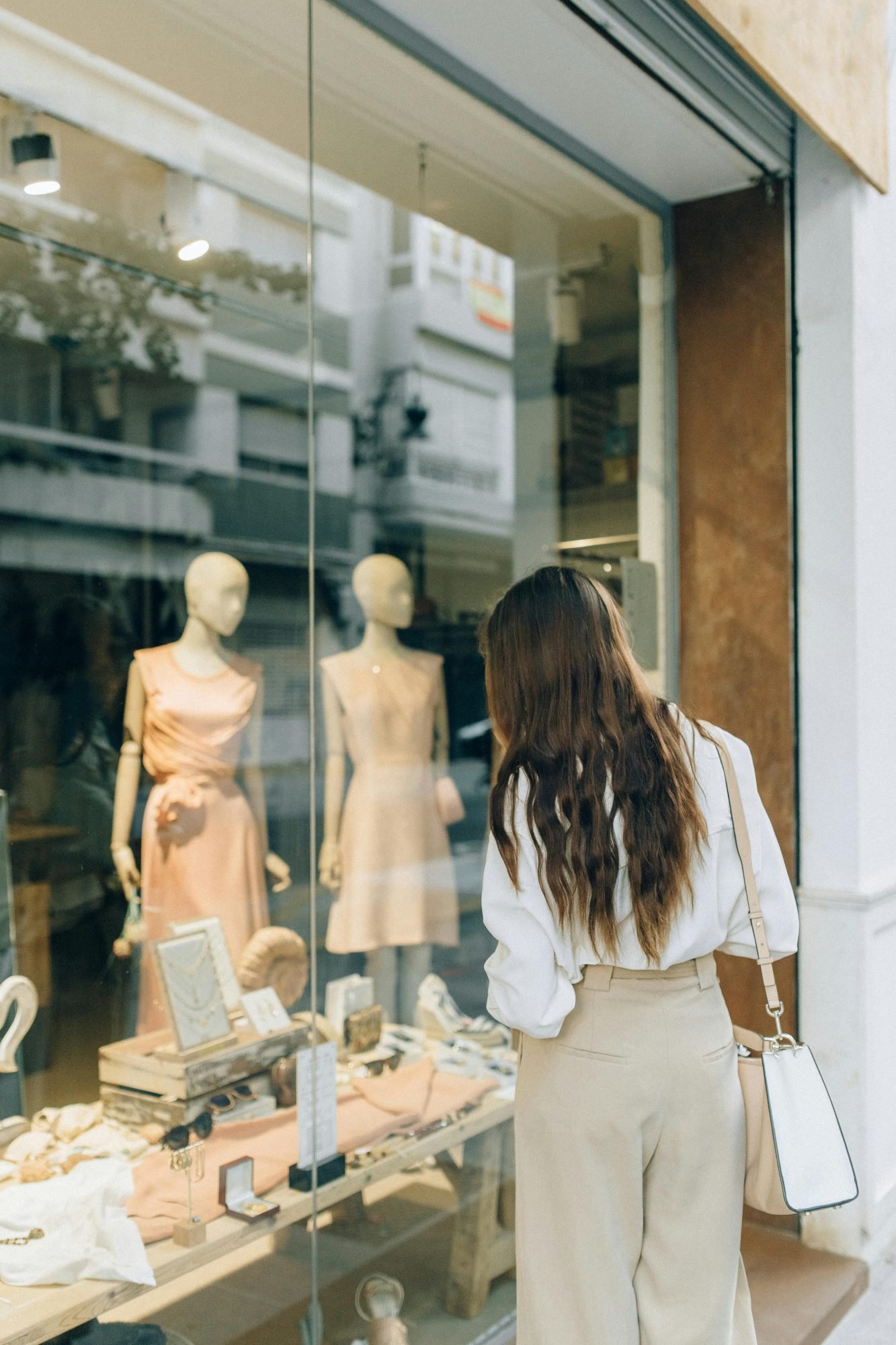
There is something infinitely urban in the act of pushing open the door to a boutique. Baudelaire spoke of the flâneur as a modern aesthete, observing the city as a moving stage. Today, the boutique becomes one of those contemporary theaters. The light catches on satin, the muffled silence recalls a gallery, and the rustling of hangers punctuates the stroll. At a time when everything can be purchased with just a few clicks, the shopping experience asserts itself as a new luxury. Not the luxury of accumulation, but that of presence.
When Digital Is No Longer Enough
E-commerce has redefined fashion by making it immediate. But after scrolling through endless catalogs, desire dulls. In fashion, nearly 30% of items purchased online are returned — proof that the image cannot replace the material. A dress can only be understood in motion, a suit reveals its accuracy in posture.
What we thought was an absolute progress reveals its limits: purchasing becomes functional, almost administrative. Physical shopping reintroduces intuition. It gives the act of buying an embodied, almost ceremonial dimension.
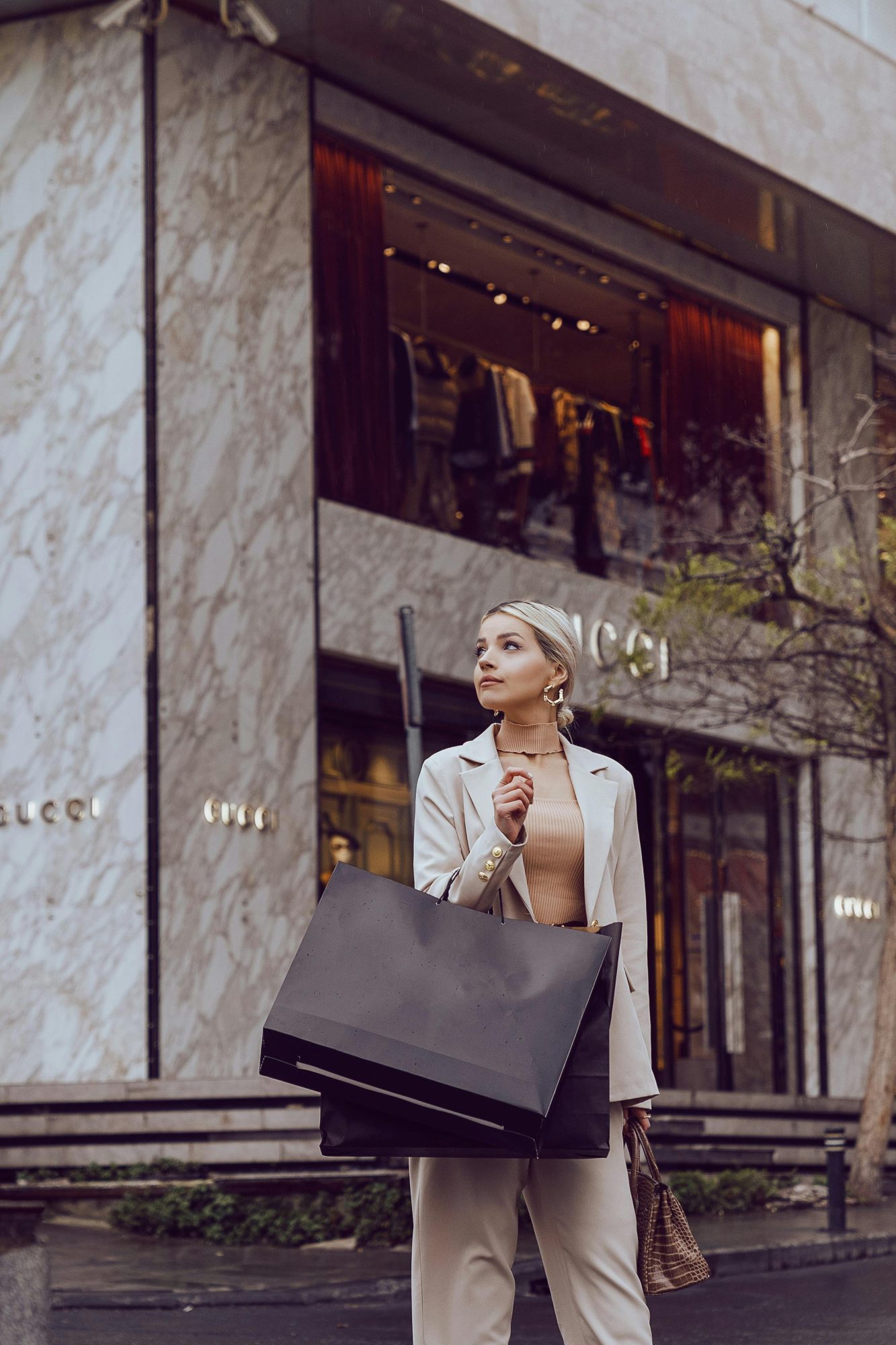
The Boutique as a Destination
The major fashion houses have transformed their addresses into architectural manifestos. Prada in New York, imagined by Rem Koolhaas, Dior on Avenue Montaigne rethought as a contemporary private hotel: these places do not just sell clothes, they tell a story.
Concept stores extend this logic. Fashion, design, photography, and rare editions coexist in the same space. Like art galleries, the boutique stages the gaze. One no longer simply consumes a product, but an aesthetic, an atmosphere, an idea of the world.
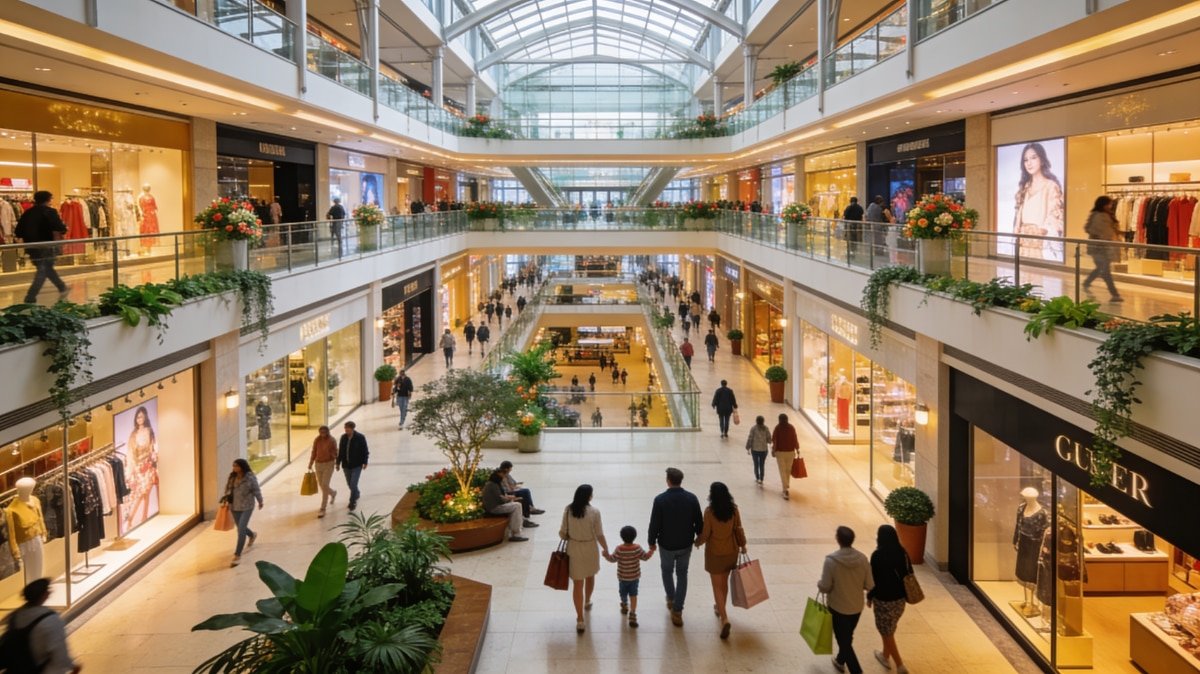
The Shopping Mall, a New Urban Stage
Long criticized, the shopping mall is also undergoing its transformation. It now borrows from the codes of museums, cinema, and public parks. Spaces are becoming greener, pathways are opening up, and cultural programming is finding its way between two brands.
The Westfield shopping centers embody this transformation through their various locations in France. In 2025, the Louvre invested in Westfield Rosny 2 to exhibit works right in the midst of the commercial flow — a bold dialogue between heritage and contemporary consumption. The mall becomes a forum, in the ancient sense of the word: a place of circulation, exchange, and culture.

The Luxury of Sensibility
Fashion has always been about material. Coco Chanel liberated the body with jersey; Yves Saint Laurent sculpted the silhouette through cut. Touching tweed, feeling the suppleness of leather, observing the precision of a seam under natural light: these details cannot be downloaded.
In a world saturated with images, the sensitive becomes rare again. And what is rare becomes precious.
A Generation in Search of the Real
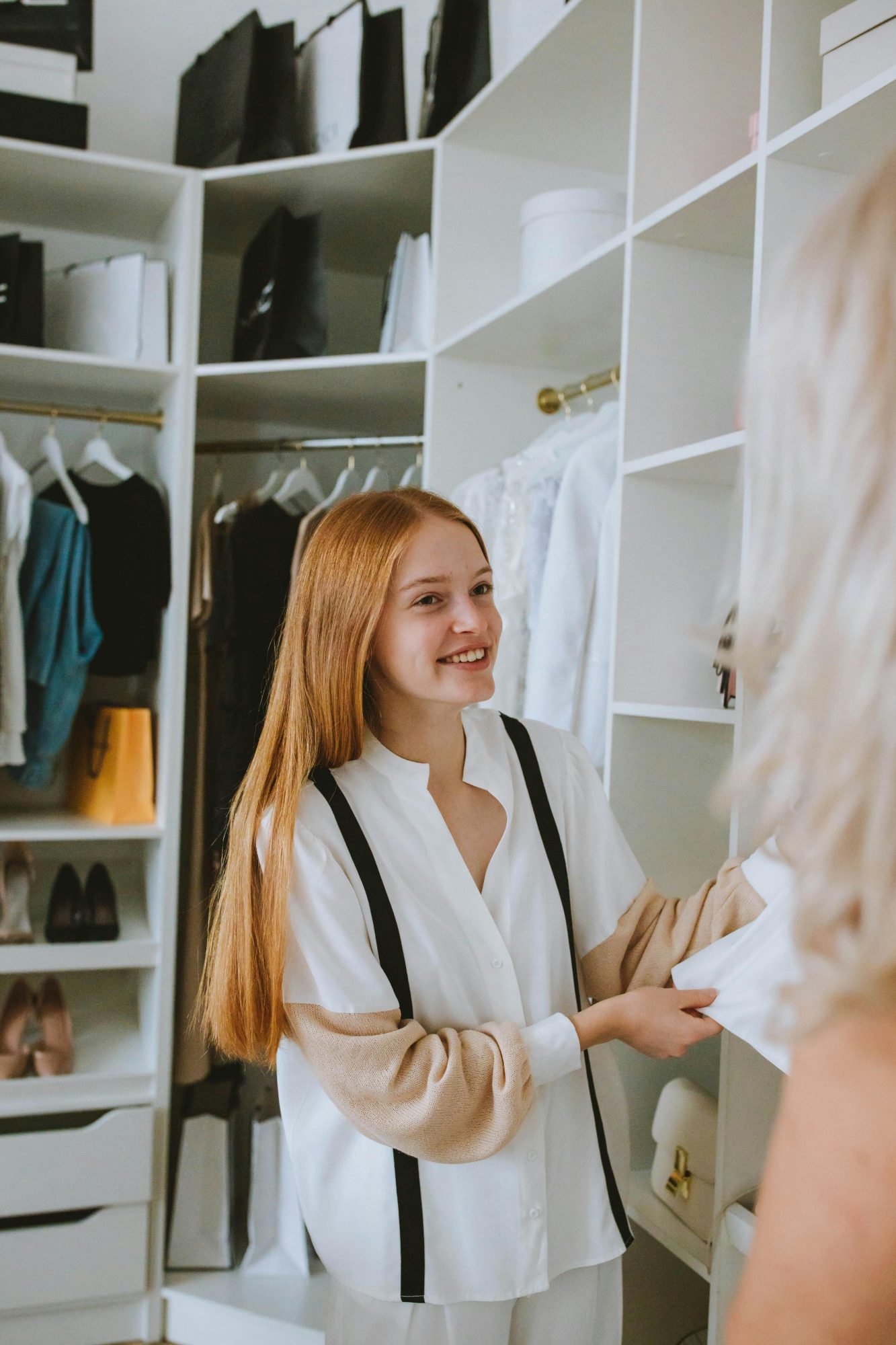
Generation Z, born with a smartphone in hand, is rediscovering the pleasure of presence. “Shopping vlogs” celebrate not just the purchase, but the shared moment. Trying on, comparing, looking at oneself in the mirror of a fitting room becomes a social ritual.
The digital does not disappear: it accompanies. One spots an item on Instagram, reserves it, and tries it on in-store. The phygital asserts itself as a natural extension of daily life. At the same time, second-hand shopping gains visibility, reflecting a heightened awareness of the value of objects. Buy less, but better — a philosophy that aligns with historical codes of luxury.
Physical commerce will never compete with e-commerce in terms of quantity. But it possesses what the city has always offered its inhabitants: the unexpected, the encounter, the sensation. The shopping experience does not mark a return to the past. It redefines contemporary luxury — cultural, urban, profoundly human.