Three places leading fashion’s responsible shift
Sustainability has become one of the defining tensions in contemporary fashion, as rising production volumes collide with ever-shorter garment lifespans. Yet amid these contradictions, a handful of nations are turning structural challenges into creative momentum, proving that responsibility and desirability can evolve together rather than in opposition.
A clearer view of fashion’s material footprint
The impact of global production is increasingly difficult to minimise. Fast fashion accelerates consumption, textile volumes grow relentlessly, and the time we keep our garments continues to fall. According to the United Nations Environment Programme, only 8% of textiles are made from recycled sources, a stark reminder of the gap between declared ambitions and the reality of the market. It highlights the need for more rigorous models capable of uniting craftsmanship, technological innovation, and environmental intent.
Sweden: precision and the circular mindset
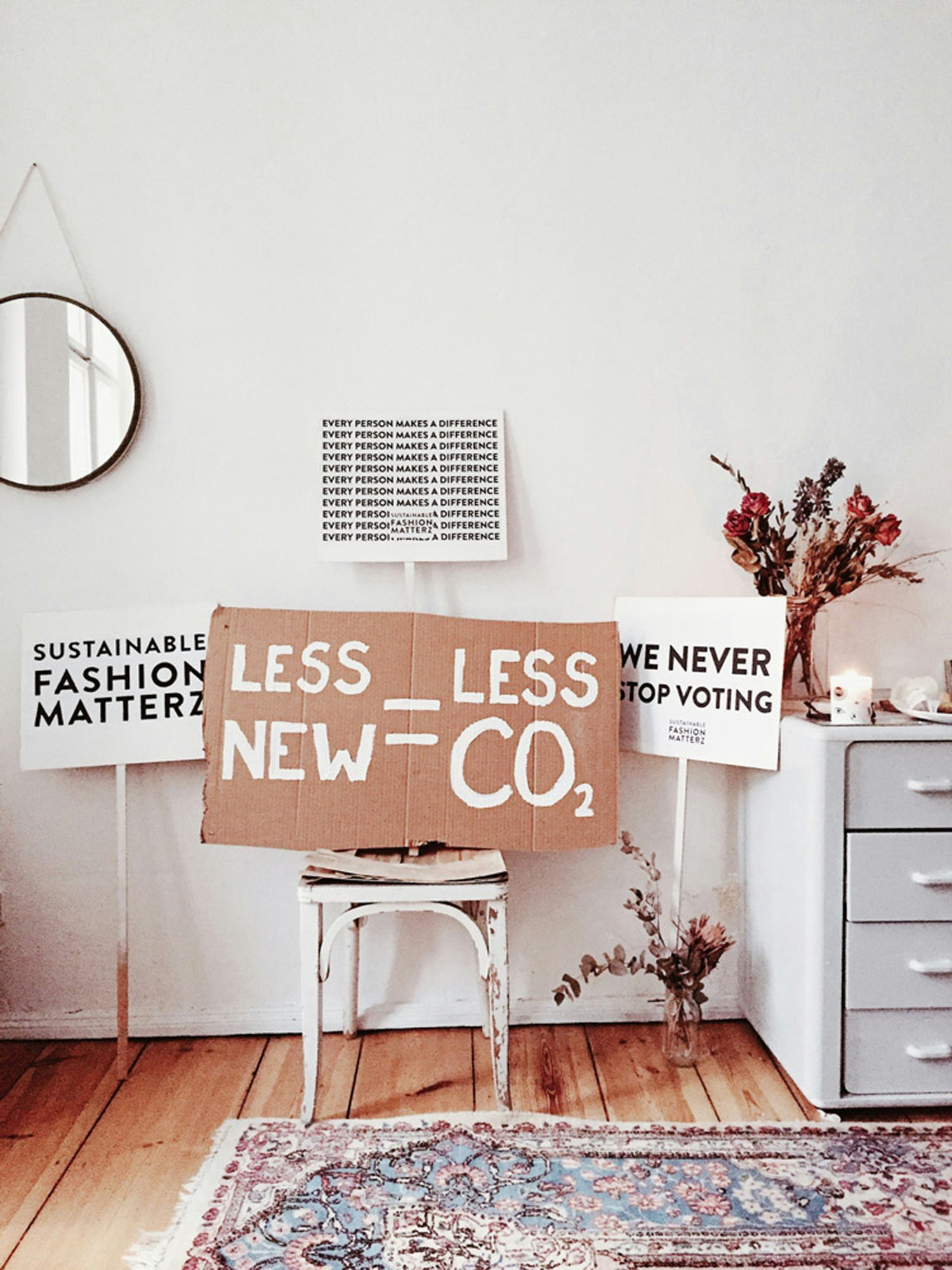
Sweden stands among the leaders of this shift, where circularity is embedded not as a distant aim but as a cultural norm. Several retailers now feature garment recycling bins right there in the store, making the recycling process transparent and accessible. Local labels amplify this ethos: Filippa K elevates garment longevity as a central design principle, while Nudie Jeans has cultivated a repair-first culture, offering ongoing care and encouraging customers to maintain their denim. Public policy reinforces these practices with repair-friendly tax incentives, forming a rare alignment between governance, creativity, and consumer behaviour.
France: regulation as a catalyst for new materials
France has shaped an approach in which legislative ambition and creative exploration advance in parallel. The Anti-Waste and Circular Economy Law marked a decisive moment by banning the destruction of unsold garments—an entrenched practice in several sectors. This shift has coincided with a flourishing of experimental materials, from algae-based fibres to mushroom-derived leathers and textiles developed from food waste, frequently showcased in Paris. France has also introduced an eco-score for clothing, offering consumers a clearer view of environmental impact and encouraging a more informed, culturally attuned understanding of style.
Denmark: a laboratory for responsible modern design
Denmark has emerged as one of Europe’s most engaged design landscapes, where aesthetics are shaped by a deliberate engagement with environmental responsibility. Copenhagen hosts gatherings that bring designers, researchers, and industry leaders together to work on tangible, actionable solutions. Several brands publish detailed environmental reports, presenting progress and shortcomings with clarity. In a country where Denmark ranks third in the world on the Sustainable Development Report, consumers play an active role, driving demand for thoughtfully produced pieces and encouraging the industry to aim higher.
Towards a more considered elegance
Even without travelling to these three design-led nations, there are measured, practical habits anyone can adopt: investing in well-crafted pieces, renting garments for special occasions, learning simple repairs, or relying on recognised certifications. For those wishing to explore these places first-hand, a global eSIM offers seamless connectivity without roaming complications—useful when navigating the growing ecosystems of responsible style.


Sweden, France, and Denmark illustrate that responsibility is not a constraint on creativity but a source of renewal. By rethinking materials, systems, and the cultural meaning of clothing, they outline a future in which modern elegance is shaped by environmental clarity, inviting us to reconsider how we value the garments we choose to live with.