What Redefines Well-Being Today
This publication is also available in:  Français
  Deutsch
  Italiano
  Español
  English (US)
In 2026, well-being is no longer proclaimed. It is read in the way we live, move, and rest. The era favors a more personalized and sustainable approach, far from rigid routines and spectacular promises. Taking care of oneself becomes a silent discipline, shaped by consistency, listening, and a more lucid relationship with technology.
- 1. Towards a more measured approach to daily life
- 2. Connected objects as support tools
- 3. A rethought lifestyle centered around sleep
- 4. When movement regains its essential function
- 5. When style reflects personal discipline
- 6. The return of discreet and intentional luxury
- 7. Guiding principles that mark the year
Towards a more measured approach to daily life
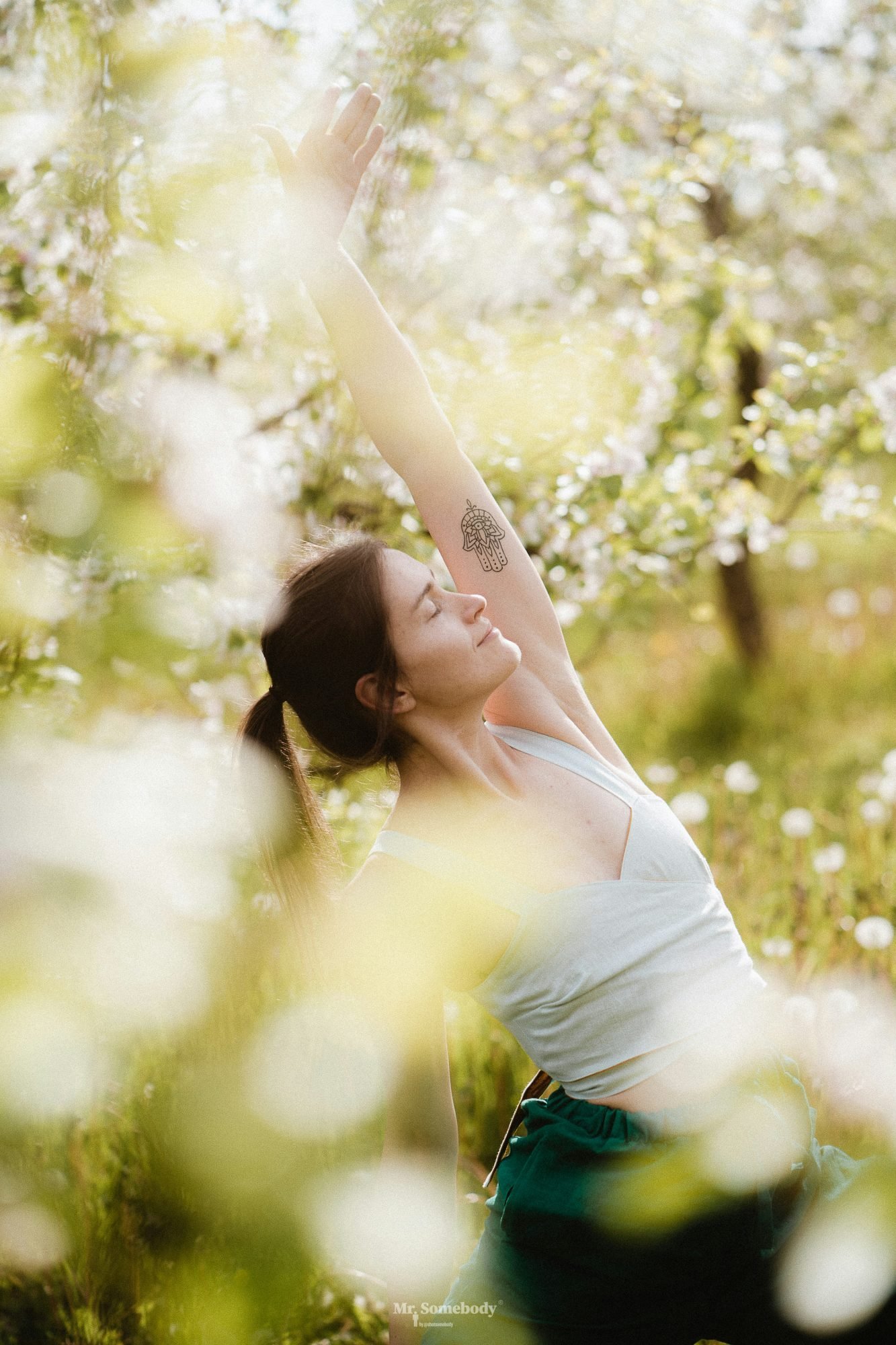
The relationship with intensity has transformed. Extreme protocols give way to adaptable practices, designed to fit into active and demanding lives. Mental health occupies a central place, supported by simple and accessible tools: mindful breathing, emotional management, observing one’s energy cycles. In 2026, mindfulness is practiced without dogma, often in just a few minutes, as a necessary adjustment rather than an end goal.
Connected objects as support tools
In 2026, connected objects no longer just measure: they interpret. Powered by artificial intelligence, they analyze trends over time and propose personalized adjustments, capable of adapting to the variations of daily life. AI now cross-references data related to sleep, movement, and biological rhythms to offer a more nuanced, more human understanding of well-being.
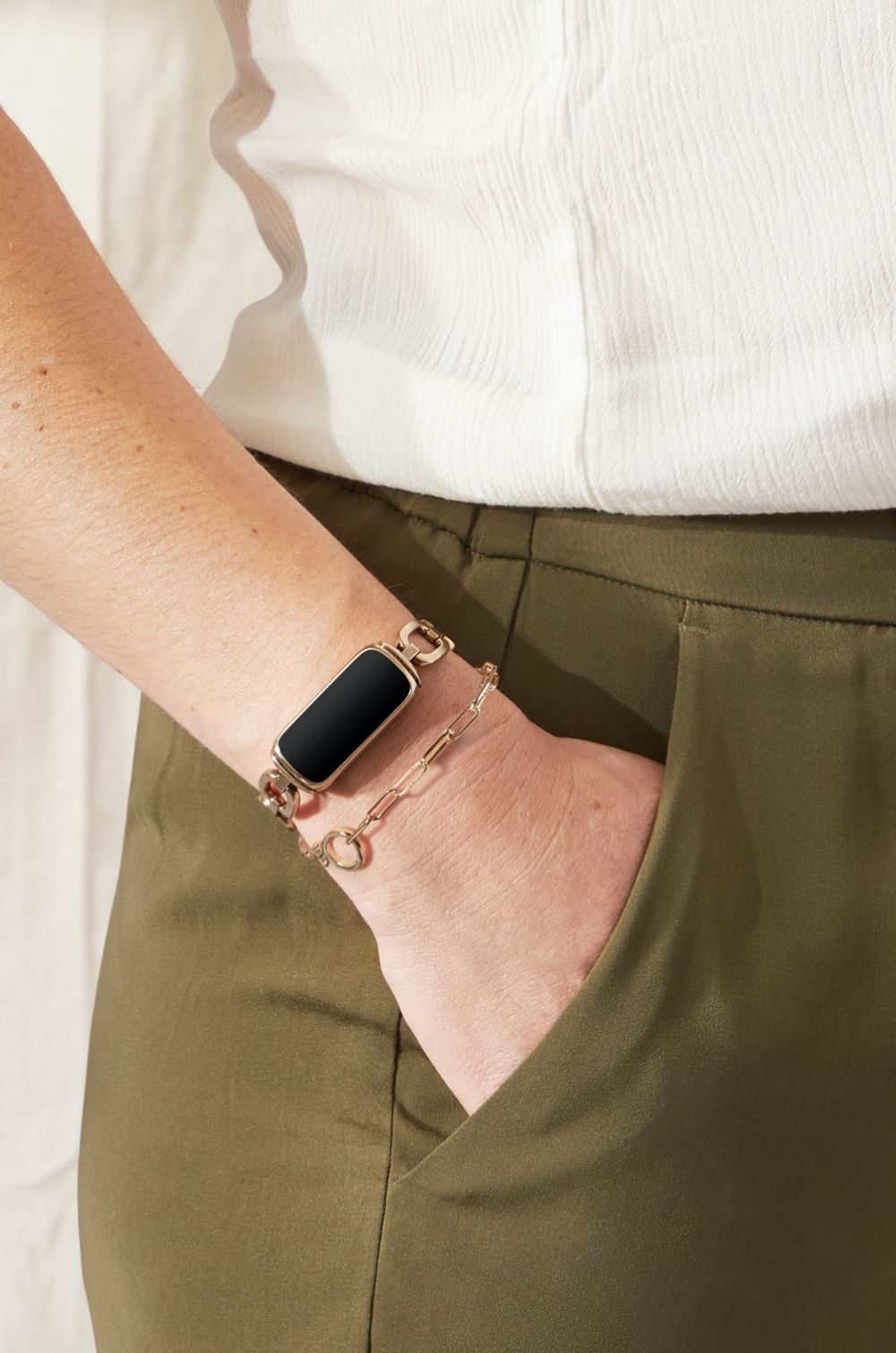
This evolution is accompanied by an aesthetic transformation. Connected accessories adopt sleek lines, designed to blend into the wardrobe. The bracelet becomes a natural extension of style, adaptable according to the moments of the day. The Fitbit bracelets fit into this logic: understated, interchangeable, they allow the object to adapt to one’s appearance as well as one’s lifestyle, while technology operates in the background, never imposing itself.
Far from imposing rules, AI suggests, accompanies, and nuances. A silent presence, designed to support balance rather than direct it.
A rethought lifestyle centered around sleep
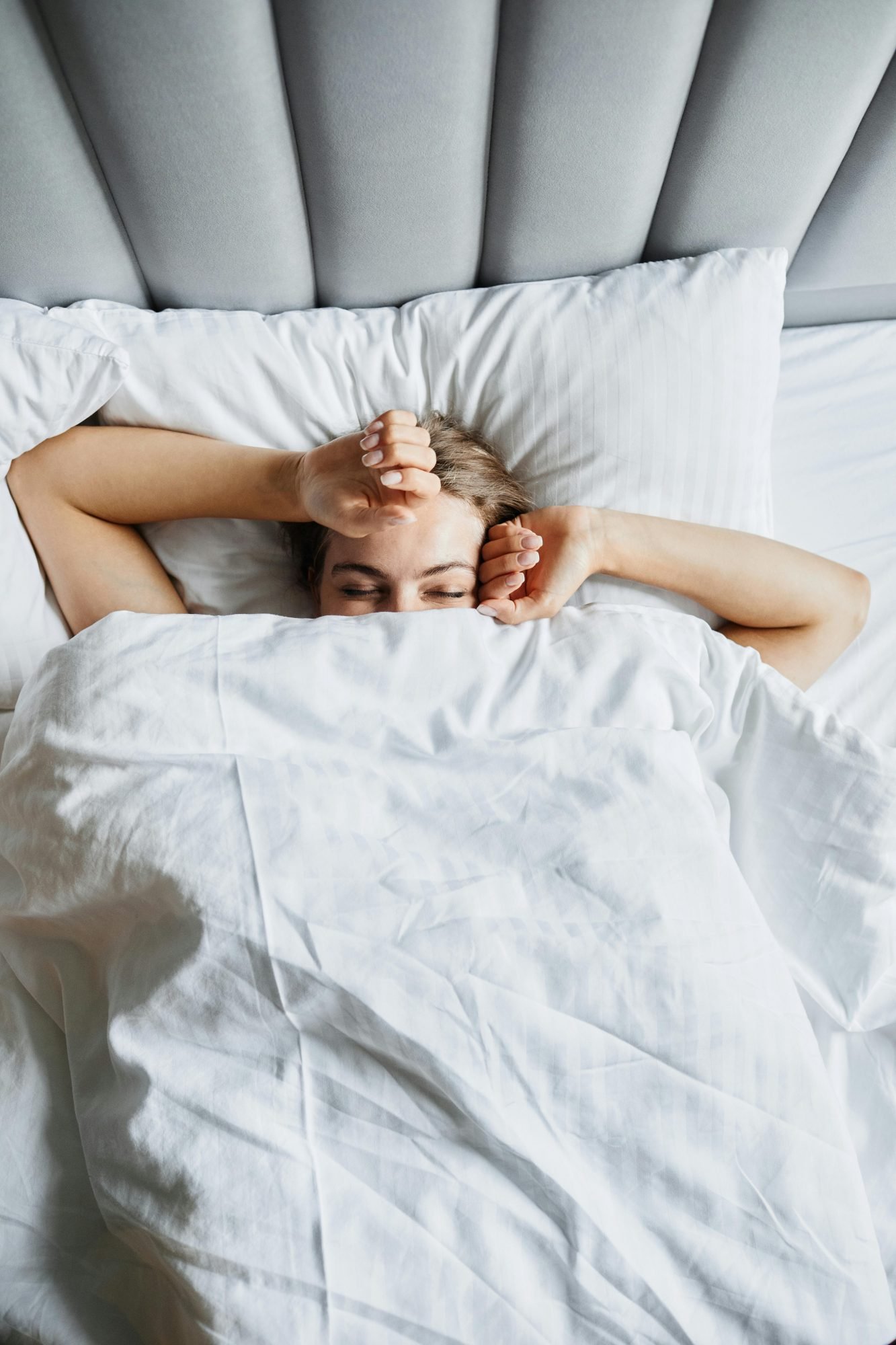
Sleep emerges as the central pillar of contemporary well-being. In 2026, it is viewed as a ritual of regeneration, not as a variable to optimize at all costs. Targeted digital disconnection, dim lighting, slow breathing, or gentle hypnosis integrate into the end of the day to facilitate falling asleep. Observing rest cycles over several weeks allows for discerning adjustments to habits, in a logic of respect for the body.
When movement regains its essential function
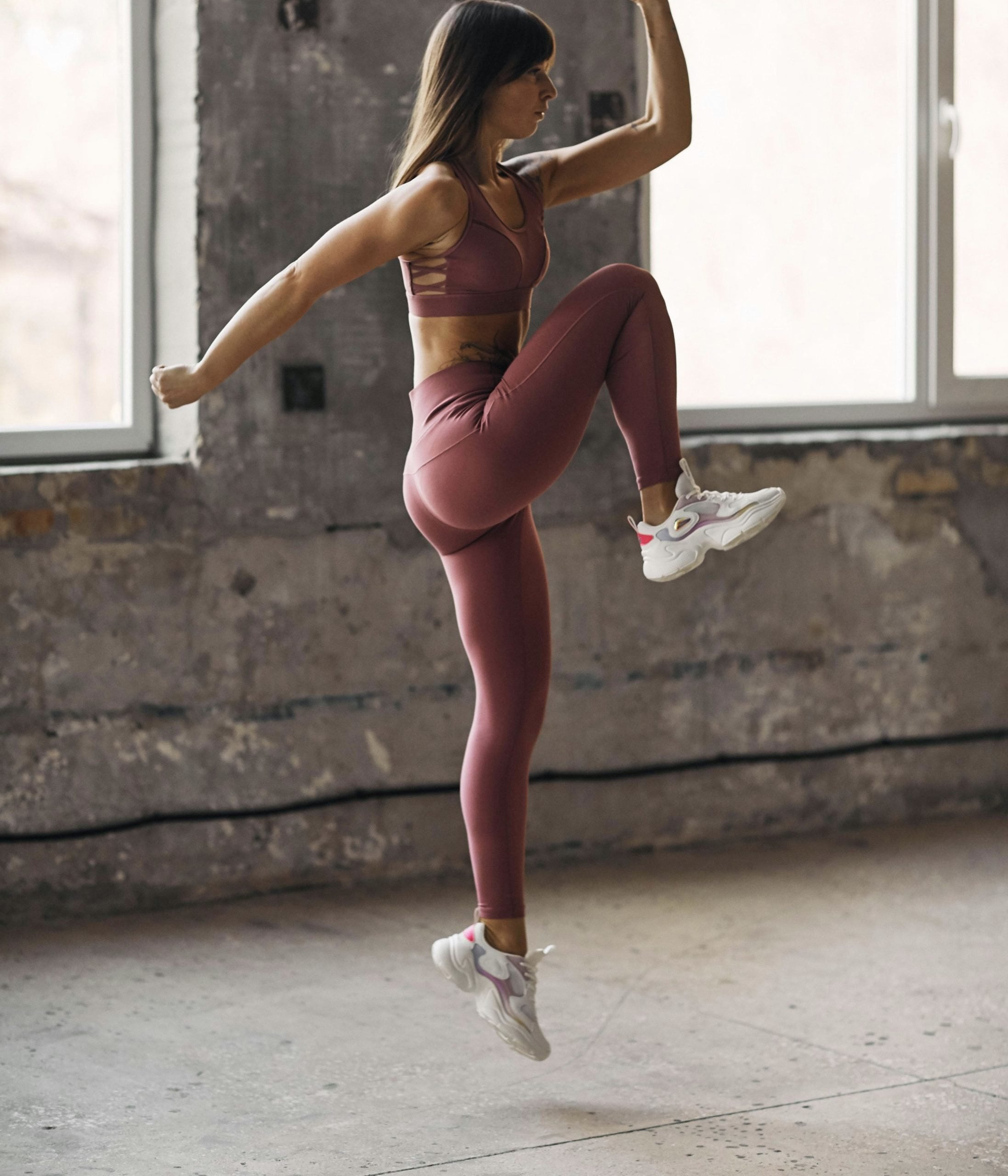
Movement is liberated from the notion of performance. Walking after meals, just a few minutes, becomes a key gesture to support digestion and calm the mind. This simple practice, increasingly widespread, fits into a functional vision of the body. This is complemented by accessible disciplines like gentle calisthenics or yoga, integrated at home, with no time or equipment constraints. Moving becomes a tool for regulation, not an injunction.
When style reflects personal discipline
The contemporary wardrobe accompanies these new priorities. Breathable materials, fluid cuts, silhouettes designed for movement reflect an increased attention to comfort and freedom of the body. Style becomes a reflection of personal discipline, where each clothing choice contributes to a form of balance. Elegance resides in ease, in a controlled but never constraining look.

The return of discreet and intentional luxury
This redefinition of well-being fits into a quieter vision of luxury. Sleeping better, preserving one’s energy, structuring daily rituals become new markers of distinction. A luxury based on experience, duration, and coherence, far from ostentation and overconsumption.
Guiding principles that mark the year
Ritualized sleep, simple movement, and technology supported by AI outline the contours of a more mature well-being. In 2026, taking care of oneself is less about demonstration than about a discreet art of living, deeply rooted in daily life.