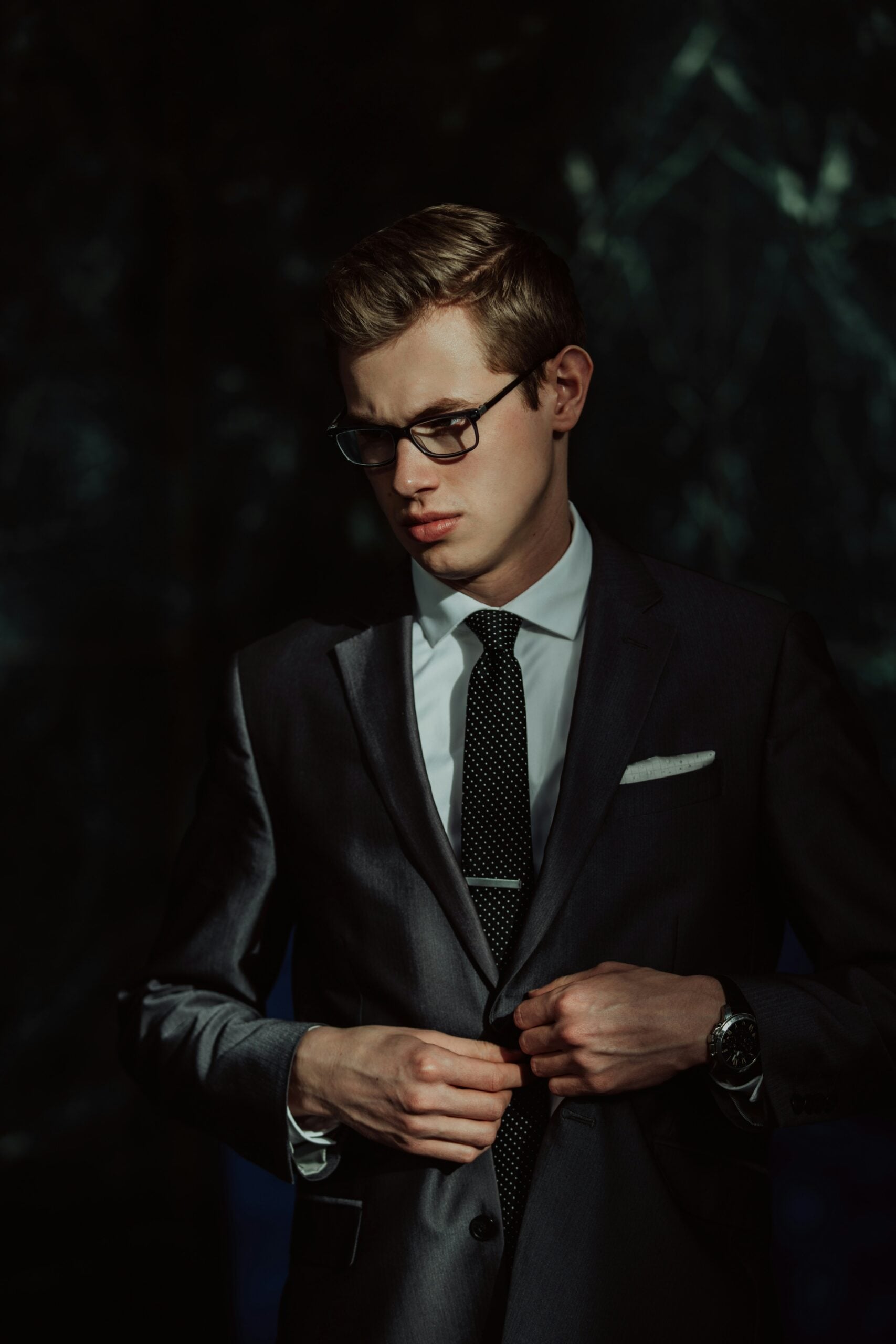
Tailoring, reimagined for a new era
For much of the past decade, streetwear has shaped the modern male wardrobe, with oversized hoodies, relaxed denim and trainers taking precedence over traditional suiting. Yet a quieter, more considered approach to dressing is gaining ground. Tailored jackets, pleated trousers and softly structured silhouettes are returning, not as symbols of corporate formality, but as expressions of individual style. This new generation of tailoring feels lighter, more versatile and distinctly contemporary.
A new perspective on the tailored silhouette
The modern suit has moved beyond the rigid proportions and restrictive cuts that once defined formal menswear. Today, relaxed shoulders, generous trousers and fluid construction offer a more intuitive approach to dressing.
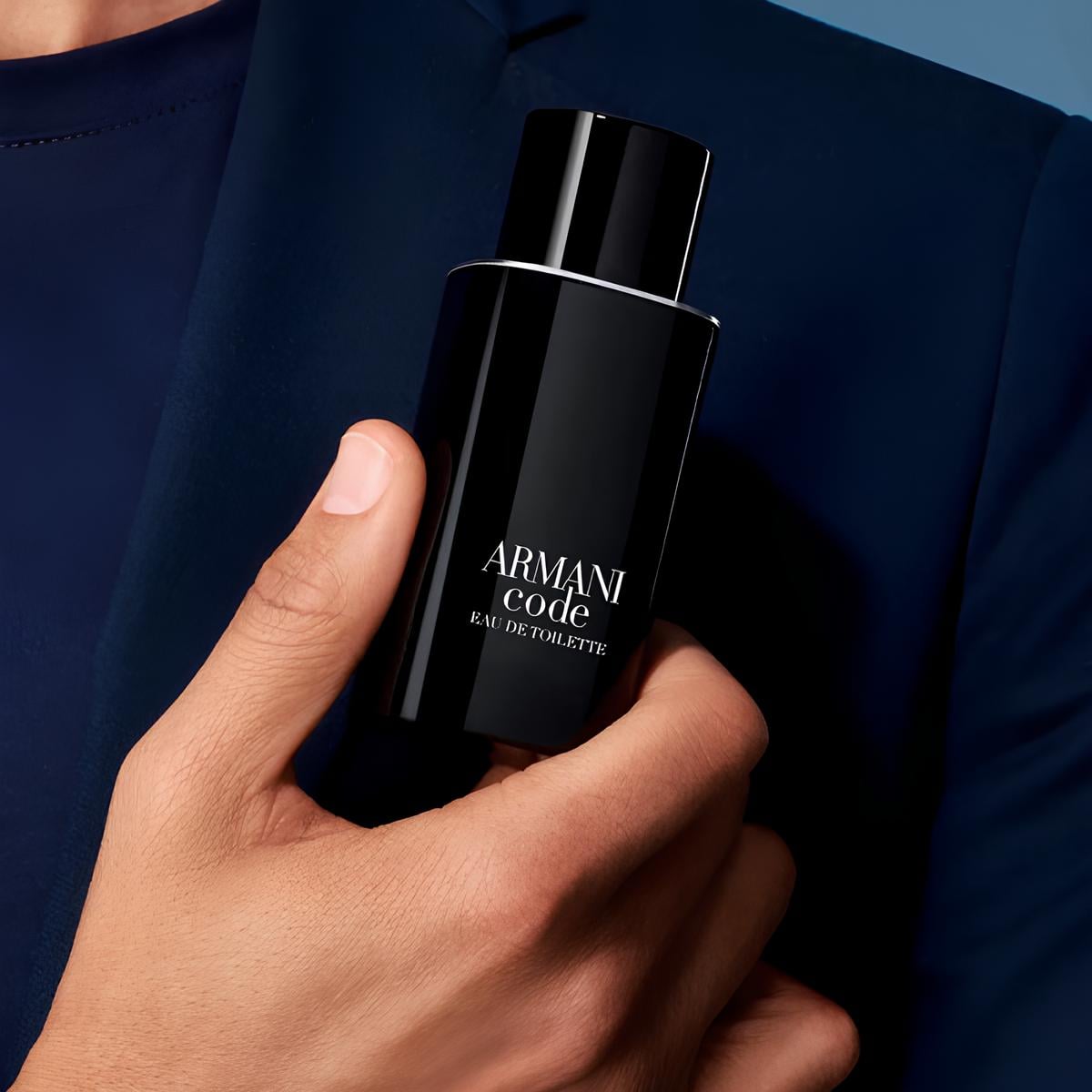
Giorgio Armani helped establish this aesthetic decades ago, introducing softly constructed jackets that challenged conventional tailoring. That influence remains visible in contemporary collections, where comfort and precision coexist.
Much of this renewed appeal lies in the trousers. A well-cut pair of Italian trousers for men offers a refined foundation for everyday outfits, whether styled with a fine-gauge knit, a crisp cotton shirt or a simple white T-shirt. The emphasis is on proportion and fabric rather than excessive formality.
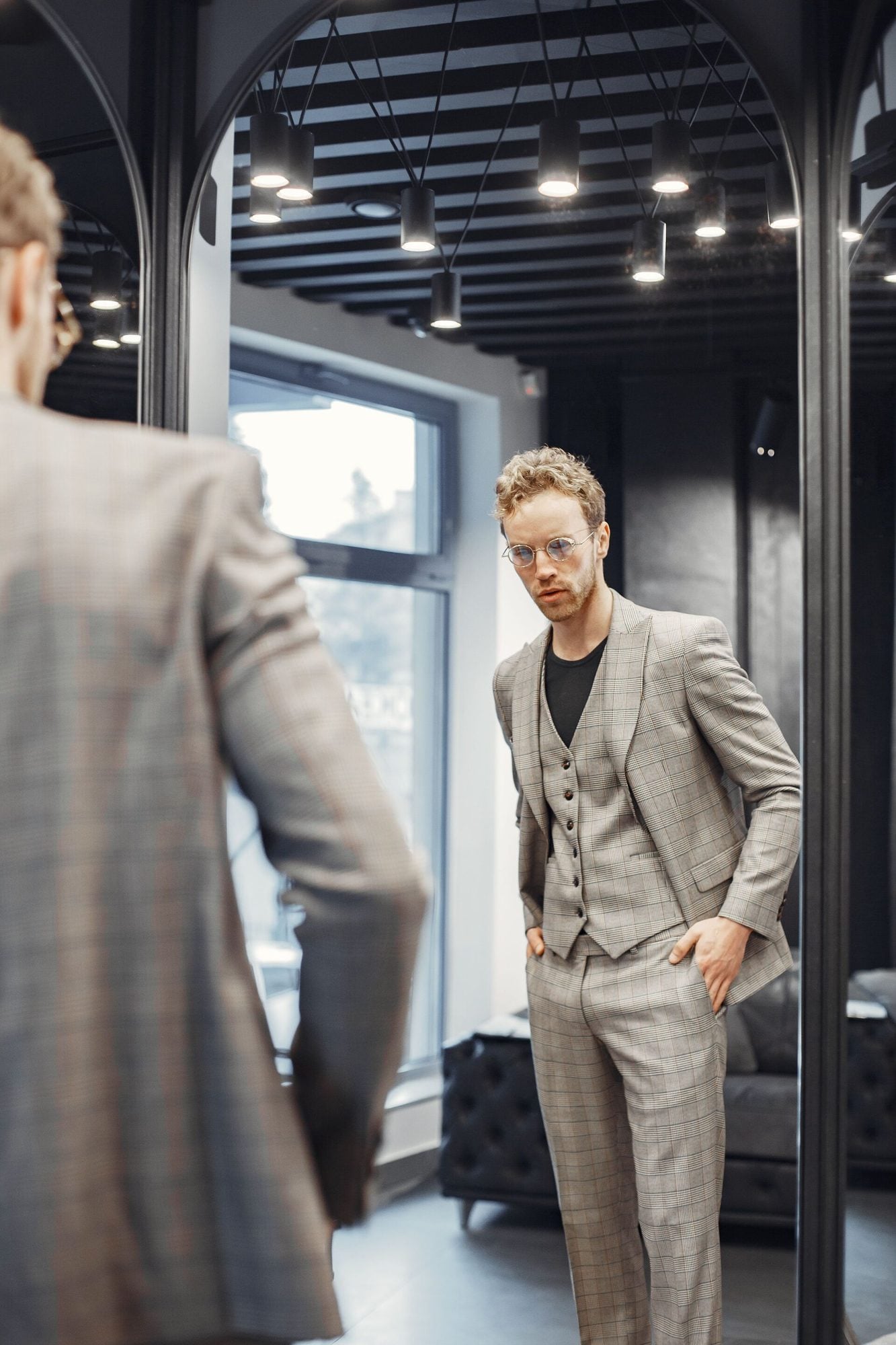
Fabric innovation meets traditional craftsmanship
The evolution of modern tailoring extends beyond silhouette. Fabric technology has become increasingly important, allowing designers to preserve the elegance of traditional garments while introducing greater flexibility and comfort.
Lightweight wool, breathable linen and cotton blends are central to this shift. Meanwhile, advances in textile innovation are creating new possibilities for stretch, temperature regulation and fabric performance.
Italian luxury house Zegna exemplifies this approach, placing exceptional materials and understated construction at the heart of its menswear identity. The result is tailoring that feels as appropriate for contemporary city life as it does for more formal occasions.
The art of dressing with ease
One of the most compelling aspects of relaxed tailoring is its adaptability. The traditional distinction between formal and casual clothing has become increasingly fluid, encouraging a more personal interpretation of menswear.
An unstructured blazer can be worn with straight-leg denim, while pleated wool trousers offer an elegant alternative to chinos. Even trainers, once considered incompatible with tailoring, now complement carefully balanced silhouettes.
This approach reflects a broader understanding of elegance, one defined less by strict dress codes than by thoughtful choices, quality fabrics and an appreciation for proportion.
The appeal is particularly relevant to wardrobes built around fewer, more versatile pieces. Rather than dressing for individual occasions, contemporary menswear increasingly favours garments that move naturally between professional, social and everyday settings.
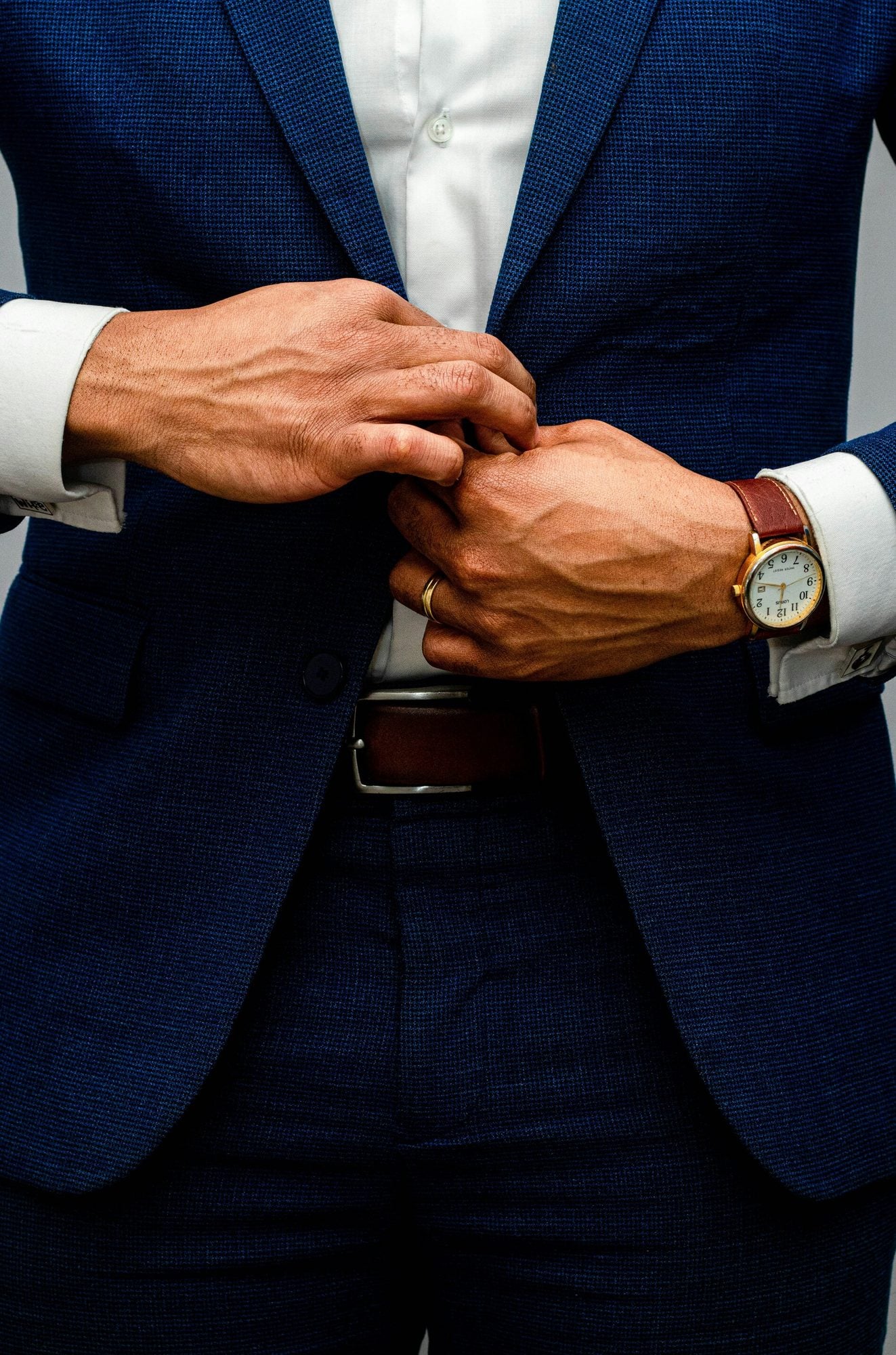
A more relaxed future for menswear
The return of tailoring does not signal the disappearance of casual dressing. Instead, it represents a more sophisticated relationship between comfort and refinement.
With softer construction, considered proportions and innovative fabrics, the contemporary suit has become less prescriptive and more expressive. Its renewed relevance suggests that modern men’s style is moving towards a quieter form of luxury, where craftsmanship and ease matter more than rigid conventions.
Tailoring has not abandoned its heritage. It has simply found a new way to wear it.