Why italian beauty has never needed to shout
Some beauty announces itself instantly. Italian beauty has traditionally preferred a slower reveal. Skin remains recognisably skin, colour is considered rather than conspicuous, and polish never quite slips into perfection. Long before quiet luxury became fashion shorthand, Italy had mastered something more enduring: knowing when enough is enough.
That restraint should not be mistaken for minimalism. Italian glamour can be sensual, cinematic and intensely expressive. Think of a sharply defined eye, a deep red lip or immaculate evening tailoring. The difference is in the balance: one element takes the lead, while everything else gives it space.
Before quiet luxury had a name
Look beyond today’s barely-there make-up and the idea has deep cultural roots. Sophia Loren’s sculpted eyes and Isabella Rossellini’s distinctive elegance hardly belonged to an aesthetic of invisibility. Yet neither relied on excess to create impact. Their beauty was memorable because it amplified character rather than obscuring it.
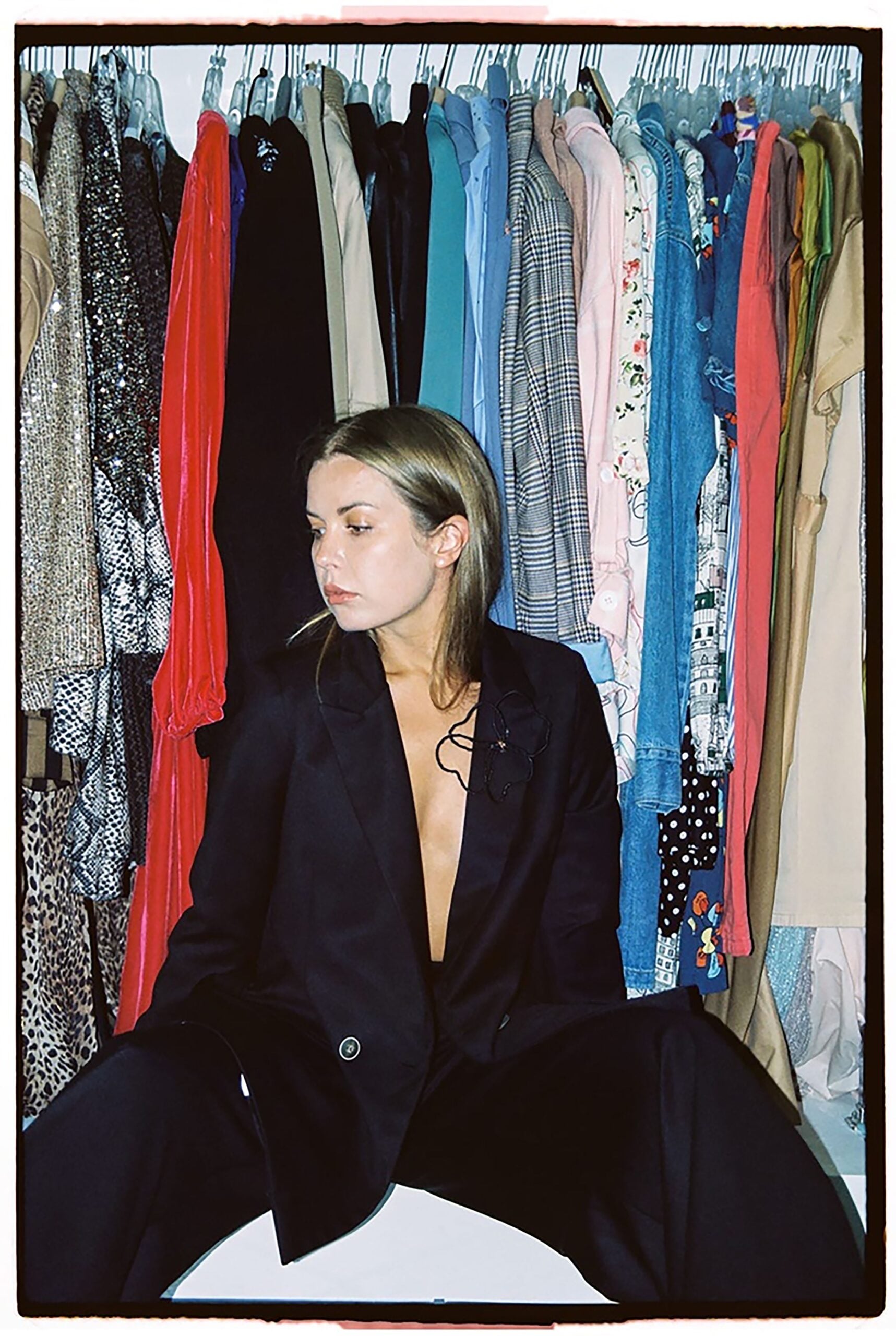
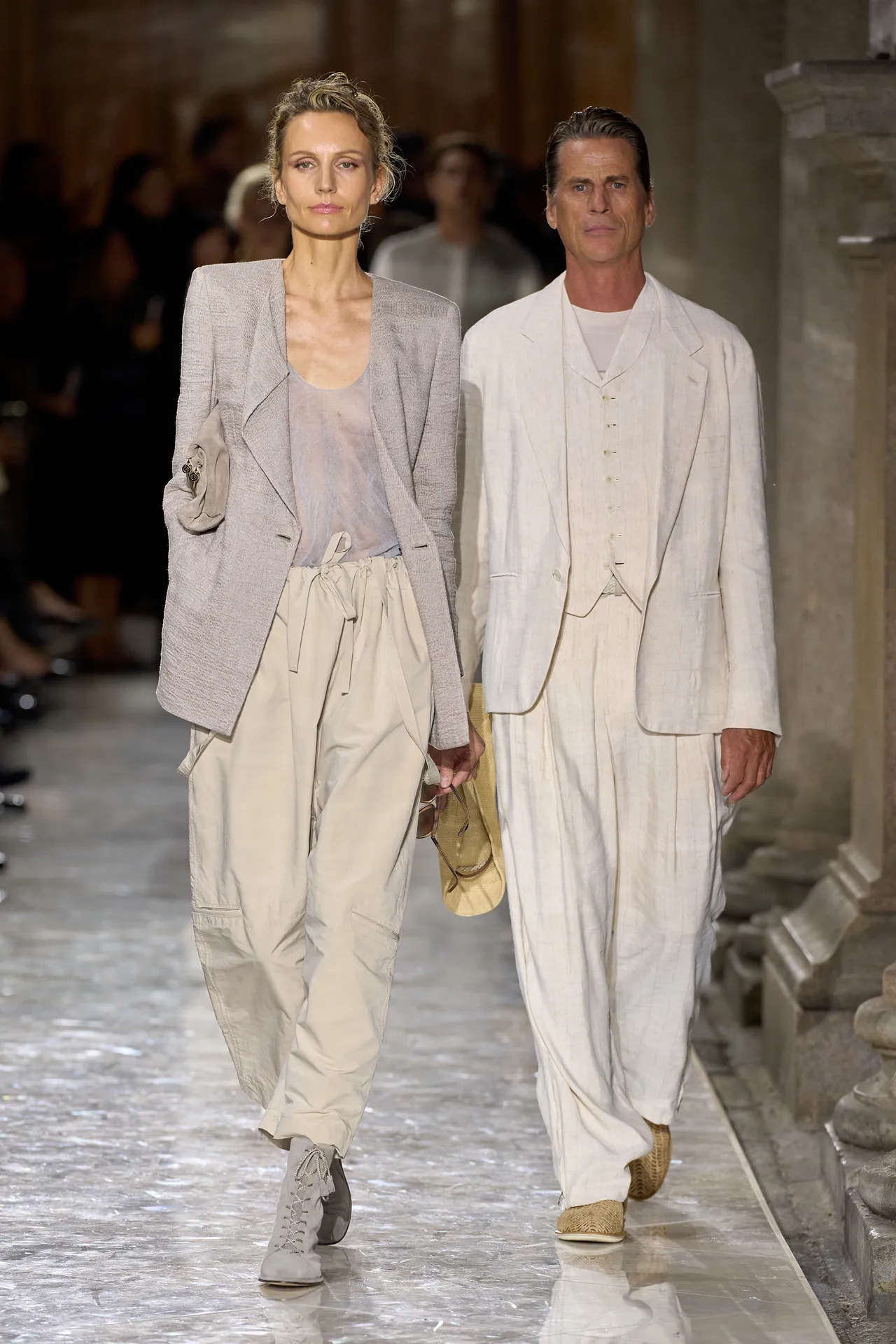
Italian fashion has long understood the same principle. From impeccably cut tailoring to a precisely judged flash of skin, sophistication often comes down to editing. It is less about stripping everything away than recognising when another detail would simply add noise.
Armani and the art of taking something away
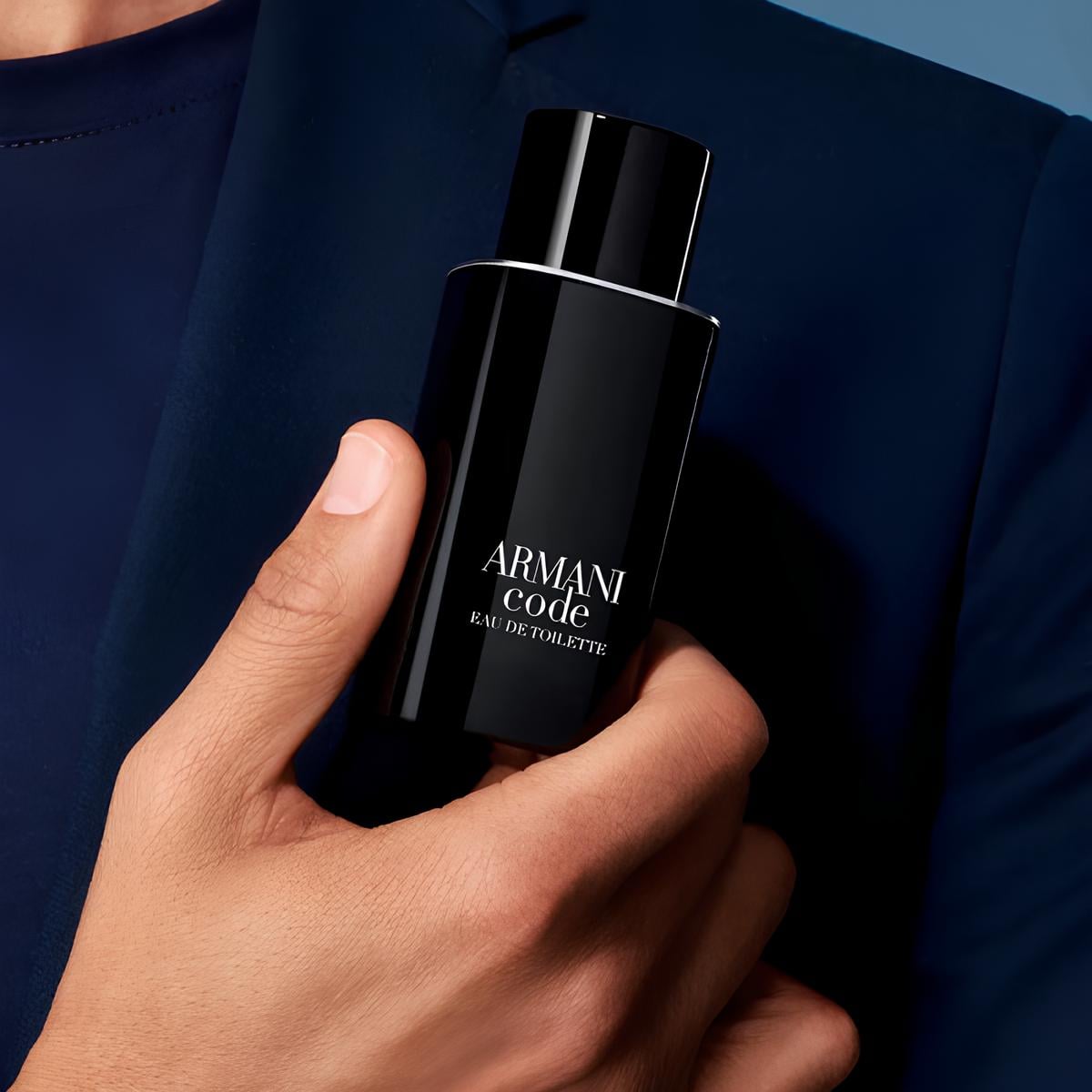
Few designers have explored this idea as consistently as Giorgio Armani. When his softly constructed tailoring transformed wardrobes in the 1980s, its impact came partly from what had disappeared: rigidity, unnecessary structure and obvious displays of status. Muted greys, fluid fabrics and relaxed proportions offered a different proposition — clothes could command attention without appearing to ask for it.
In beauty, the same instinct can be found in Italian luxury makeup: sheer textures, finely judged colour and formulas designed to work with light rather than mask the skin. A veil of foundation, a softly diffused cheek or a satin lip can alter the face without overwhelming it. The make-up is visible, but it never needs to become the whole story.
Why skin is allowed to look like skin
This approach feels particularly relevant after years of full-coverage foundation, elaborate contouring and highly engineered finishes dominating beauty imagery. Visible skin has returned to the conversation, along with a more relaxed idea of what a polished complexion can look like.
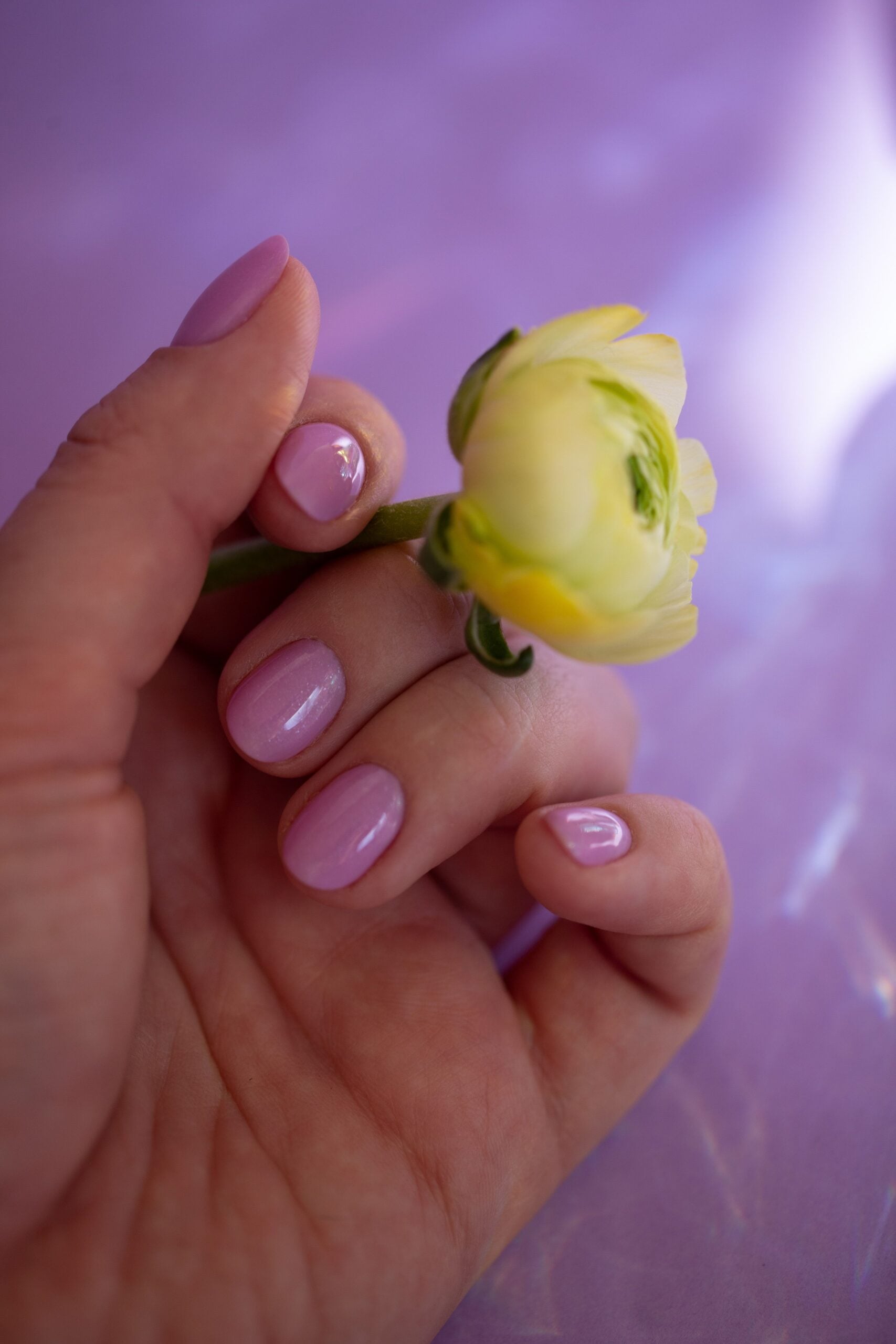
A refined base need not be flawless. Sheer coverage can even the complexion while leaving freckles and natural variations visible. Blush can bring warmth without an obvious edge; luminosity can come from the texture of the base itself rather than a conspicuous layer of highlighter.
It encourages a more considered beauty wardrobe, too. Instead of an expanding collection built around every new micro-trend, there is an argument for a handful of products that earn their place: a base that works in daylight, a flattering blush, a precise mascara and a lipstick you instinctively reach for.
The Mediterranean lesson in light
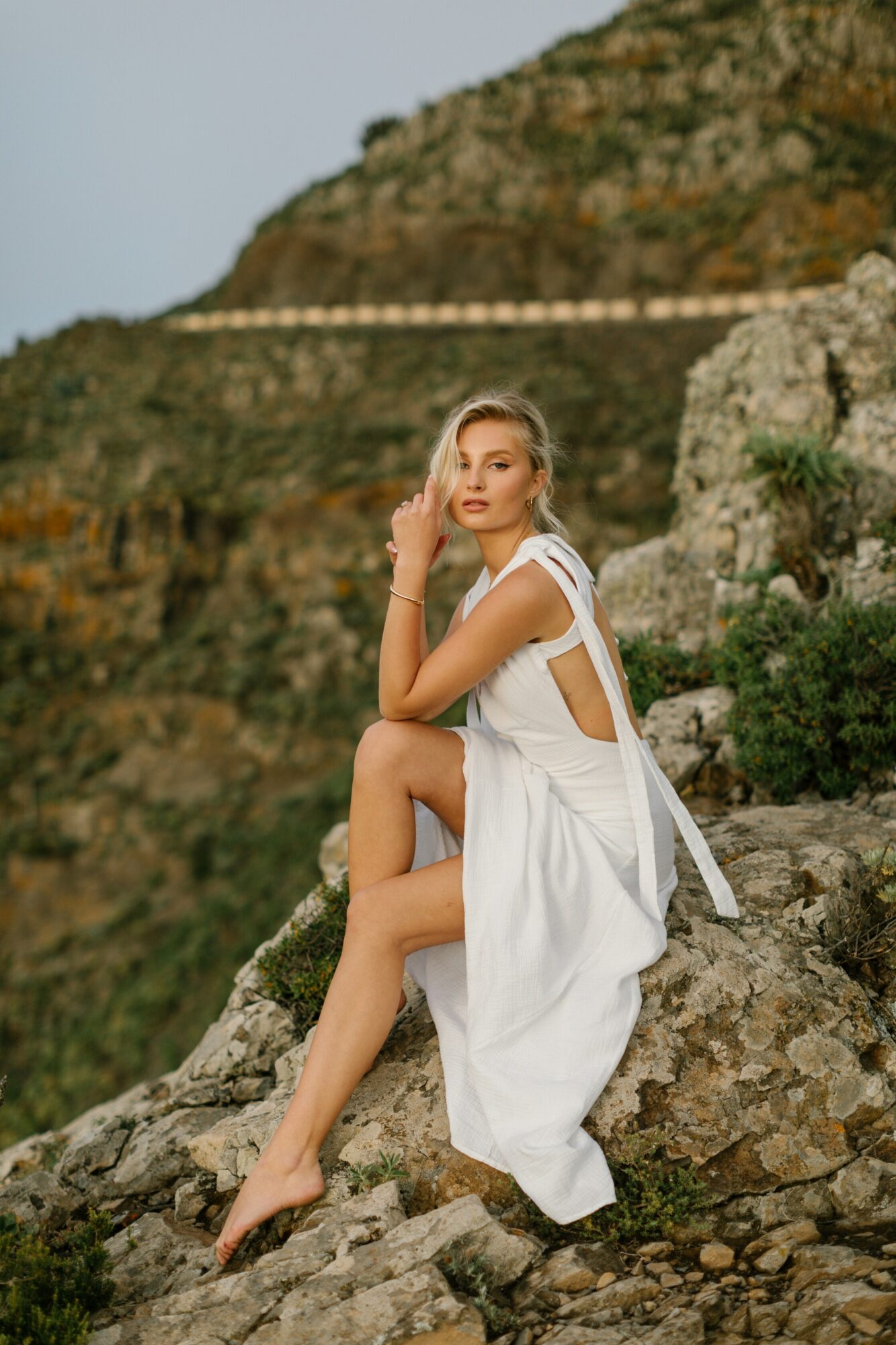
Italy’s beauty vocabulary is difficult to separate from its light. Strong Mediterranean daylight reveals texture and intensifies colour; heavy layers have nowhere to hide.
That helps explain the appeal of translucent finishes, burnished neutrals, terracotta tones and reds with enough depth to hold their own in bright sun. None depends on creating an entirely new face. They respond to what is already there.
The principle travels well beyond the Mediterranean. Britain’s cooler, softer daylight changes how those colours register, but not the logic behind them. A sheer complexion can retain dimension on an overcast London morning just as effectively as under southern sun. It is less about recreating an Italian glow than understanding how make-up behaves in real light.
The luxury of knowing when to stop
At a moment when beauty trends can arrive and disappear within weeks, restraint has an unexpected appeal. It asks for discernment rather than constant reinvention.
Luxury might mean owning fewer products and choosing them precisely. It might be a lipstick worn with little else competing for attention, a complexion that still reveals freckles, or an evening eye softened just before it becomes too perfect.
Italian beauty has never really been about looking as though no effort was involved. The effort is there — in the choice of texture, colour, proportion and finish. The elegance comes from knowing what to leave untouched. And perhaps that is why it has never needed to shout.