The rose, this ingredient that transcends the ages
This publication is also available in:
 Français
 Deutsch
 Italiano
 Español
 English (US)
In a bottle of perfume, a few drops of floral water or a delicately scented cream, the rose never reveals itself quite the same way. Sometimes fresh, almost green, other times powdery and enveloping, it possesses that rare ability to change character without losing its identity. Long before it became a signature of haute perfumery, it already accompanied beauty gestures. Today, as botanical formulations spark renewed interest, this familiar flower continues to reinvent itself.
From Antiquity to Luxury Houses, the Rose as Heritage
In ancient Rome, rose petals scented baths and were part of ointment compositions. This usage reveals how the flower was already associated with sensory pleasure and care rituals.
Several centuries later, it finds a privileged place in European perfumery. In Grasse, the May rose becomes one of the emblematic raw materials of a craftsmanship passed down from generation to generation.
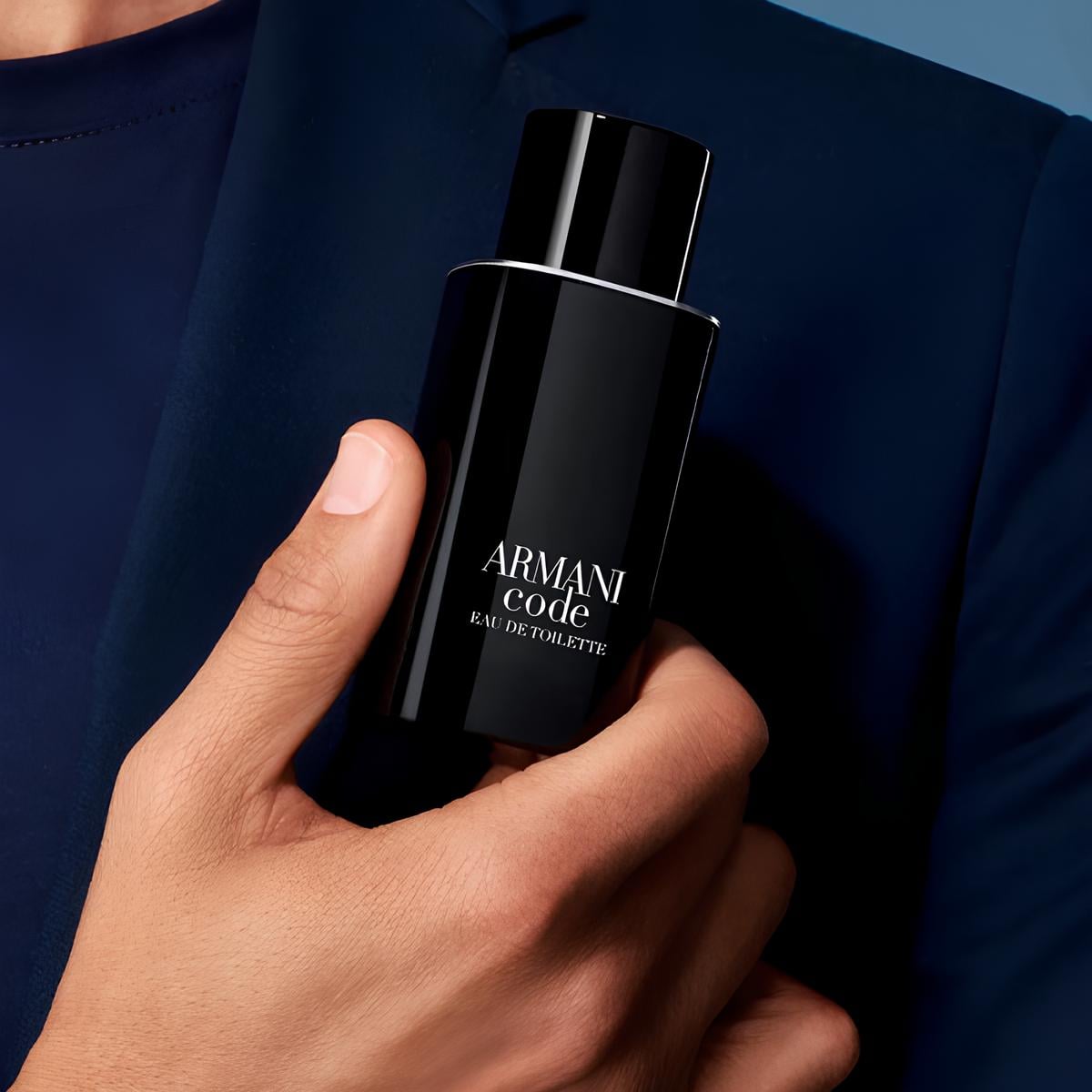
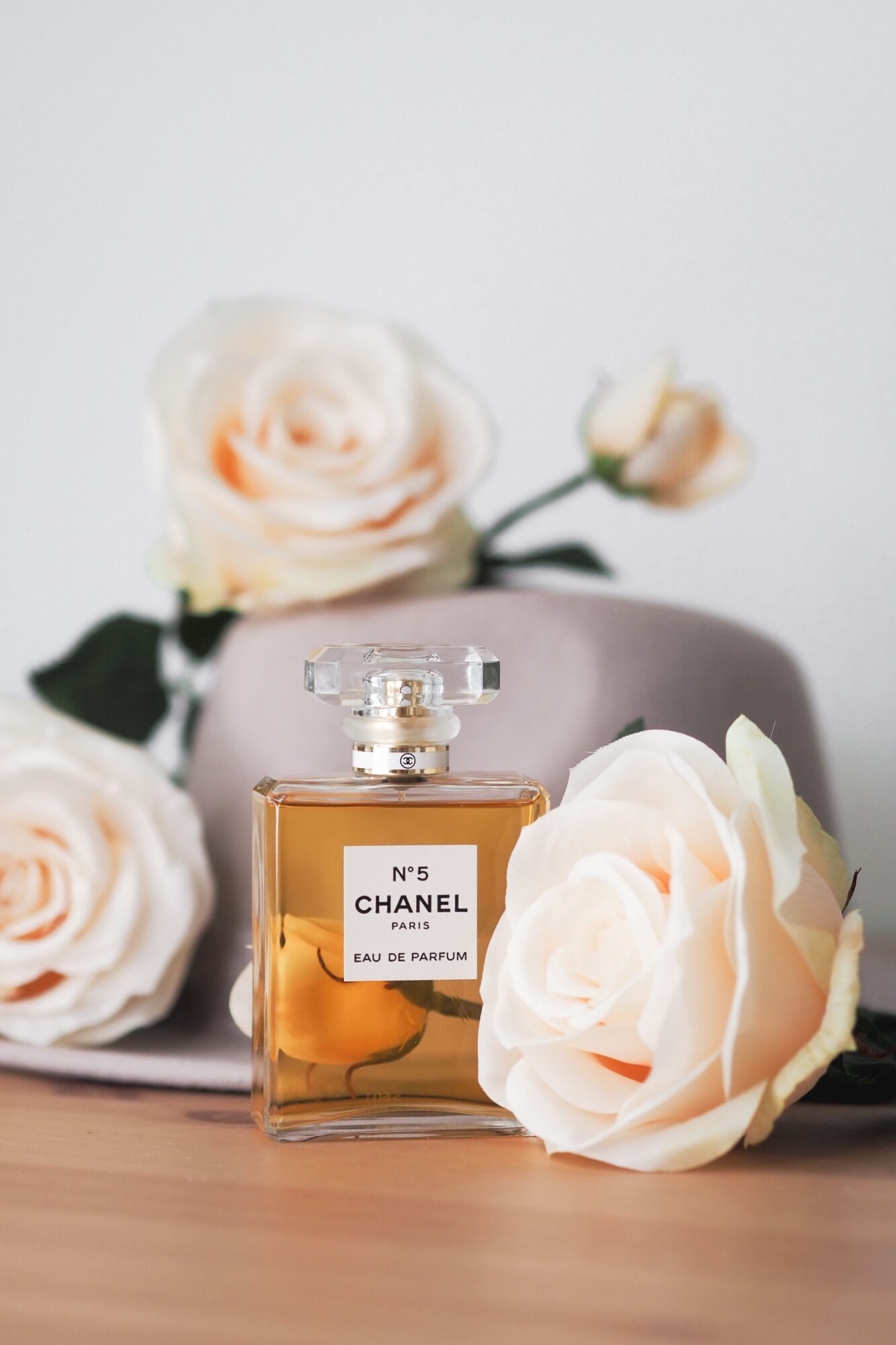
At Dior, it occupies a central place in some interpretations of Miss Dior. Guerlain, on the other hand, explores it through compositions with alternating delicate and sensual accents. Depending on the accords that surround it, the rose can evoke the freshness of a garden at dawn or the sophistication of an evening fragrance. A versatility that partly explains its longevity.
Why the Rose Retains Its Place in Facial Care
If its scent fascinates, the rose is not limited to its olfactory dimension. It appears in various forms in facial care, each possessing its characteristics.
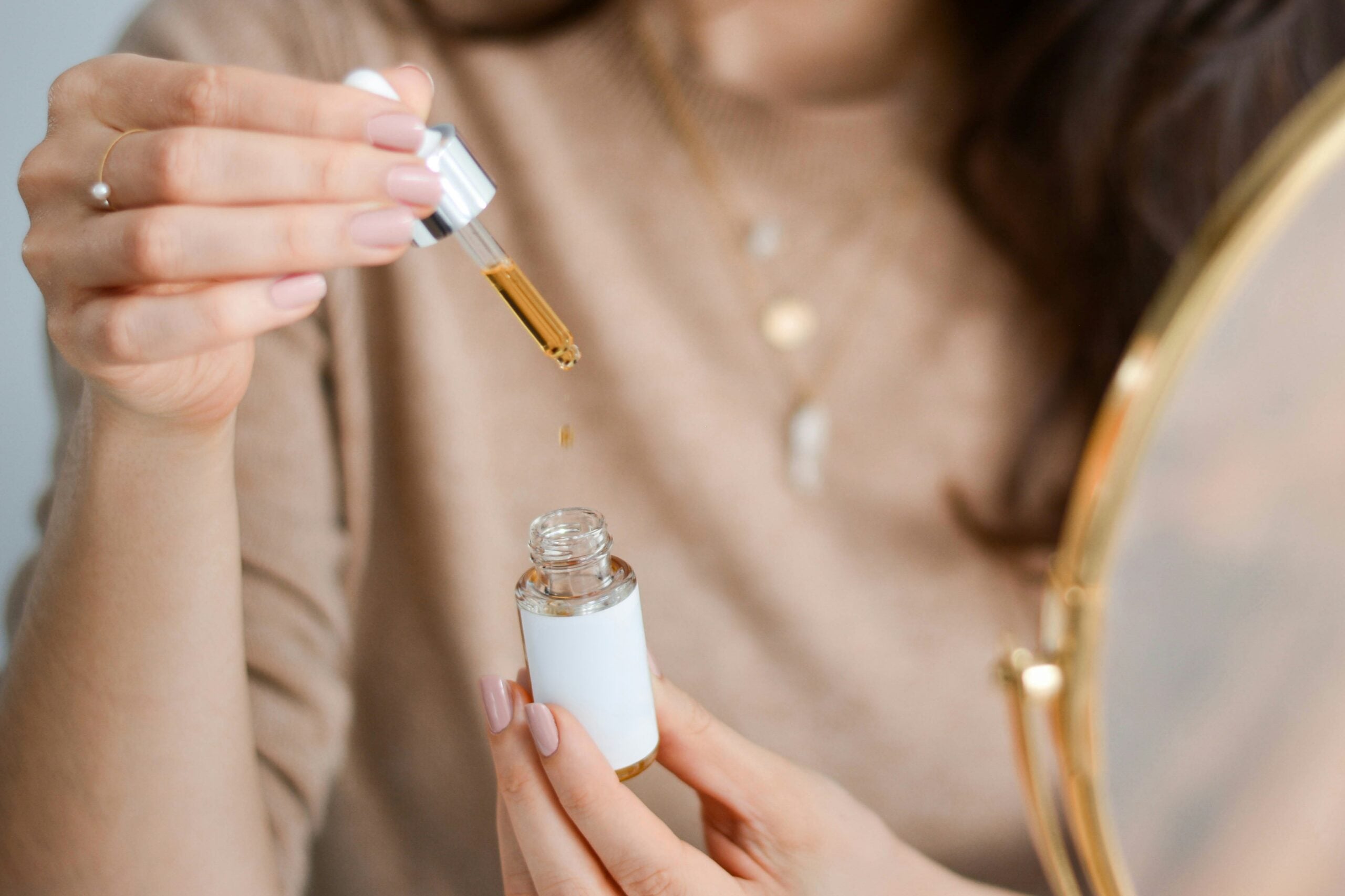
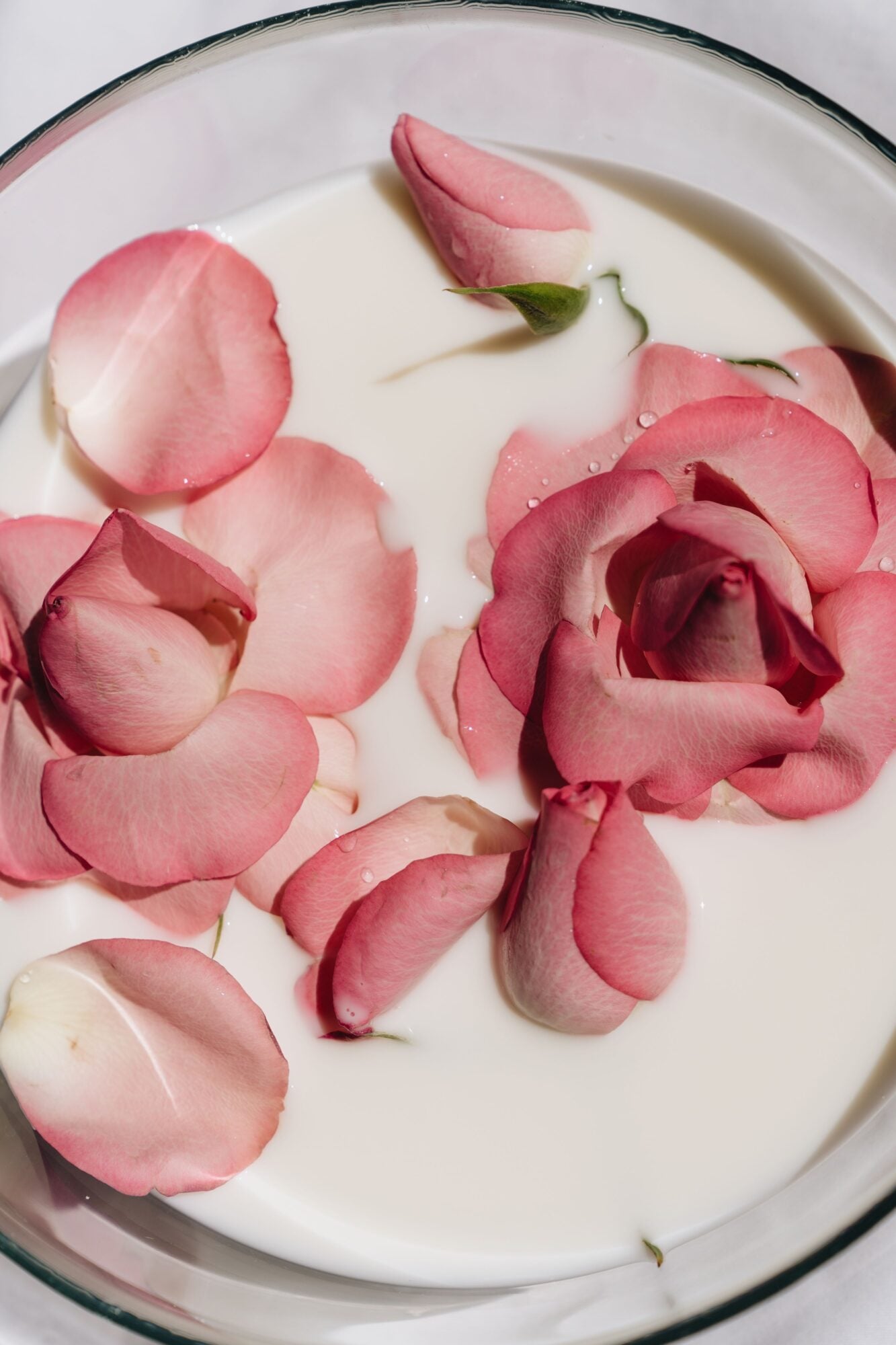
Rose floral water, obtained during distillation, finds its place in lotions and mists. Appreciated for its freshness and delicacy, it readily accompanies morning gestures. Rose extracts also enter into the composition of certain creams and cosmetic preparations, while essential oil is sought after for its aromatic profile.
Yet, these ingredients do not have the same composition or uses. Their interest depends on the formulation in which they are included, but also on the needs of the skin.
Behind the charm of a botanical ingredient, the quality of a treatment primarily rests on the balance of its formula.
Botanical Cosmetics, Between Tradition and Modernity
Long associated with recipes handed down through generations, plant ingredients today occupy a very different place in bathrooms. Textures are more pleasant, compositions are more refined, and consumer expectations are more precise.
This attention to plant-based ingredients is particularly found in French cosmetics. Brands like Centifolia, specializing in organic cosmetics and products formulated from natural ingredients, extend this botanical heritage through products designed for everyday gestures.
What is appealing about this approach is not only the presence of plants in a formula. It is also the possibility of combining the pleasure of a texture, the attention to ingredients, and the simplicity of a well-chosen ritual.
A way of considering care where naturalness does not replace rigor but is associated with it.
The Rose, A Certain Idea of Contemporary Luxury
On the shelves of a bathroom as well as in the creations of great perfumers, the rose maintains a unique place. It evokes a beauty that does not necessarily seek to follow the latest trend, but is built around gestures, materials, and sensations.
Its scent may remind one of a memory, a familiar cream, or a fragrance worn for years. This intimate dimension perhaps explains why it so easily transcends fashions.
In every era, the rose changes its face. Yet, it is still enough to recognize its scent to understand what makes it so special.