Childrens’ Colors Spring 2026: How to Incorporate Sage Green and Terracotta into Kids’ Wardrobe
This publication is also available in:
 Français
  Deutsch
  Italiano
  Español
  English (US)
Sage green, soft terracotta: the children’s colors for spring 2026 simplify the wardrobe and renew the silhouette.
With each return of the beautiful days, the same hesitation arises in front of the wardrobe: should everything be reconsidered to enter the new season? Spring imposes its temperature variations, unpredictable layering, cool mornings, and bright afternoons. In this in-between, the children’s colors for spring 2026 play a decisive role.
Observed during the latest editions of Playtime Paris and Pitti Bimbo, the collections confirm a clear shift: the palette becomes more mineral, more grounded, more subtle. Gone are the overly sweet pastels and jarring contrasts. Welcome to the bright sage green, soft terracotta, sandy beiges, and slightly muted blues.
These shades are not just a passing trend. They respond to a concrete need: to build a coherent wardrobe that is easy to mix and can evolve without excessive multiplication of pieces. Adopting these hues in spring 2026 means rethinking color as a strategic tool.
Why Parents Feel Lost with Seasonal Colors
Each season brings its share of micro-color trends. One year dominated by lilac, the next by coral, followed by a return of electric blue. This rapid rotation ends up disorienting. Children’s silhouettes become a collection of isolated crushes rather than a coherent whole.
The difficulty is not aesthetic; it is structural. A sweatshirt bought for its strong color only matches one pair of pants. A bright dress requires neutral accessories. Quickly, associations become scarce. The wardrobe expands, but the possibilities diminish.
The fear of bad taste reinforces this confusion. We hesitate, we multiply gray or navy basics for safety, without truly integrating the newness. The result: a fragmented wardrobe, where each piece lives independently.
Spring 2026 offers a more rational alternative. Rather than adding an additional strong color, it suggests reorganizing the palette around natural and complementary tones. Color stops being a sporadic accent and becomes a foundation.
Sage Green: The New Neutral Base for Children’s Wardrobes
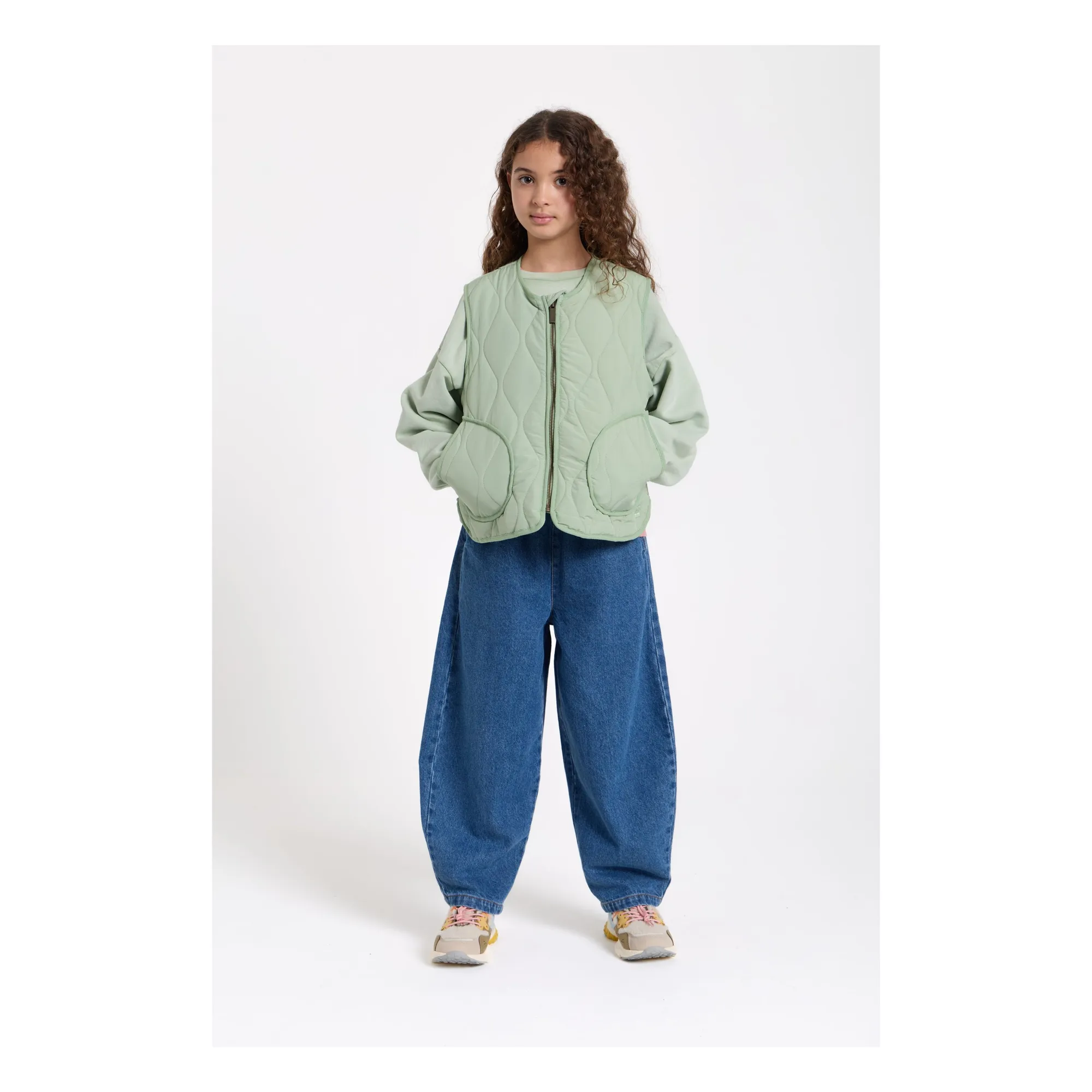
Among the trending children’s colors for 2026, sage green stands out as a pivot. Neither too cold nor too saturated, it possesses that contemporary softness that flows through silhouettes without dominating them.
At Bonton, it appears on thick cotton sweatshirts and soft pants, creating a subtle and easy-to-combine base. At Zara Kids, it is expressed on lightweight shirts and mid-season jackets, confirming its versatility. Even Jacadi Paris, traditionally attached to classic blues and pinks, incorporates it into certain transitional pieces.
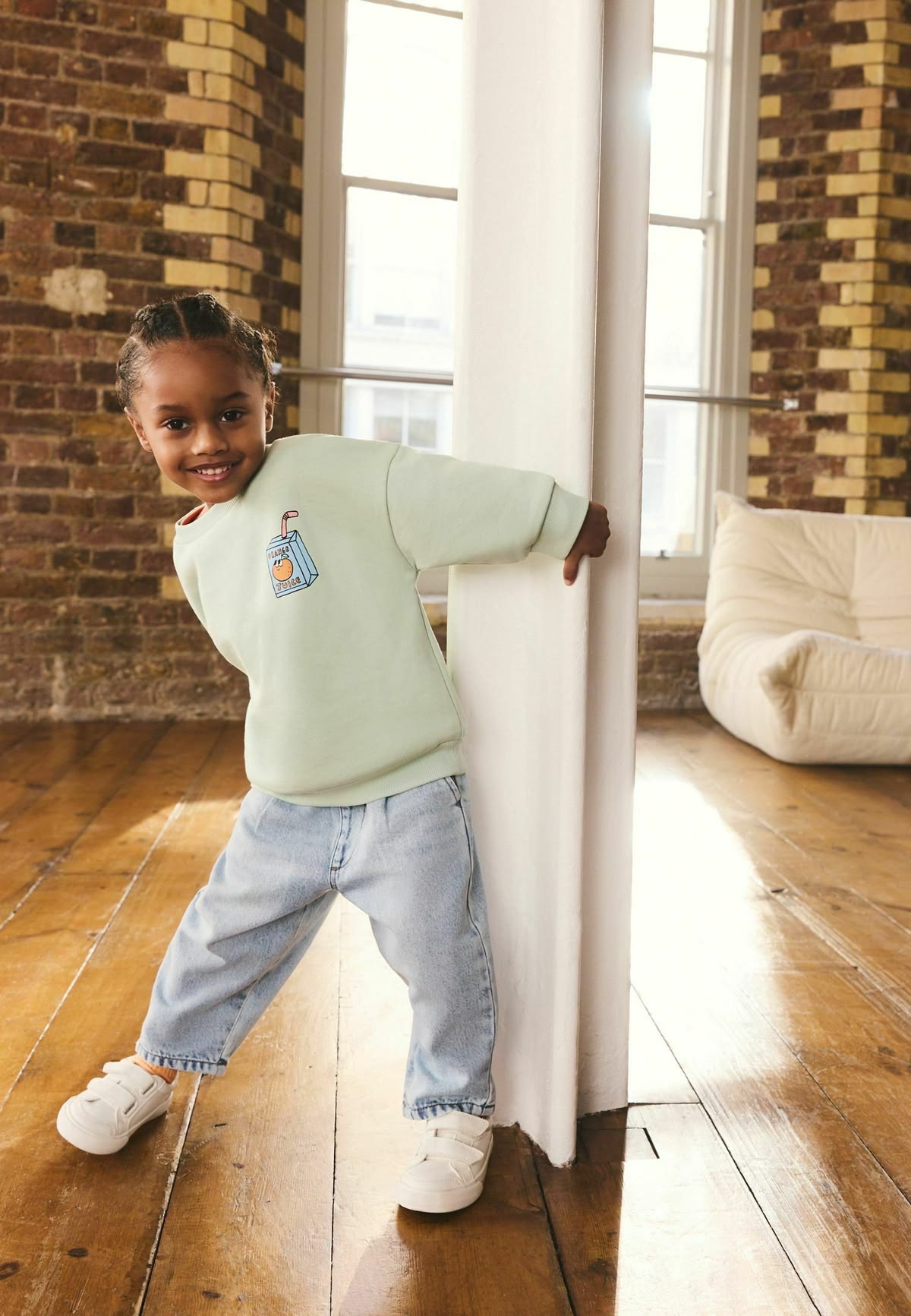
Why does it work so well? Because it naturally dialogues with the neutrals already present in wardrobes: light denim, sandy beige, off-white. It does not require massive replacement. It simply fits in.
A sage green pant can replace a gray bottom without disturbing existing associations. A sweatshirt in this shade instantly modernizes a light jean. The color acts as a discreet common thread.
Another advantage: its transversal character. Sage green crosses genders without assignment, avoids overly strong effects, and maintains stable elegance. It complements both minimalistic silhouettes and more textured looks.
Adopting sage green in spring does not mean transforming everything. One or two strategic pieces are enough to modify the overall balance of the wardrobe.

Soft Terracotta: Controlled Warmth
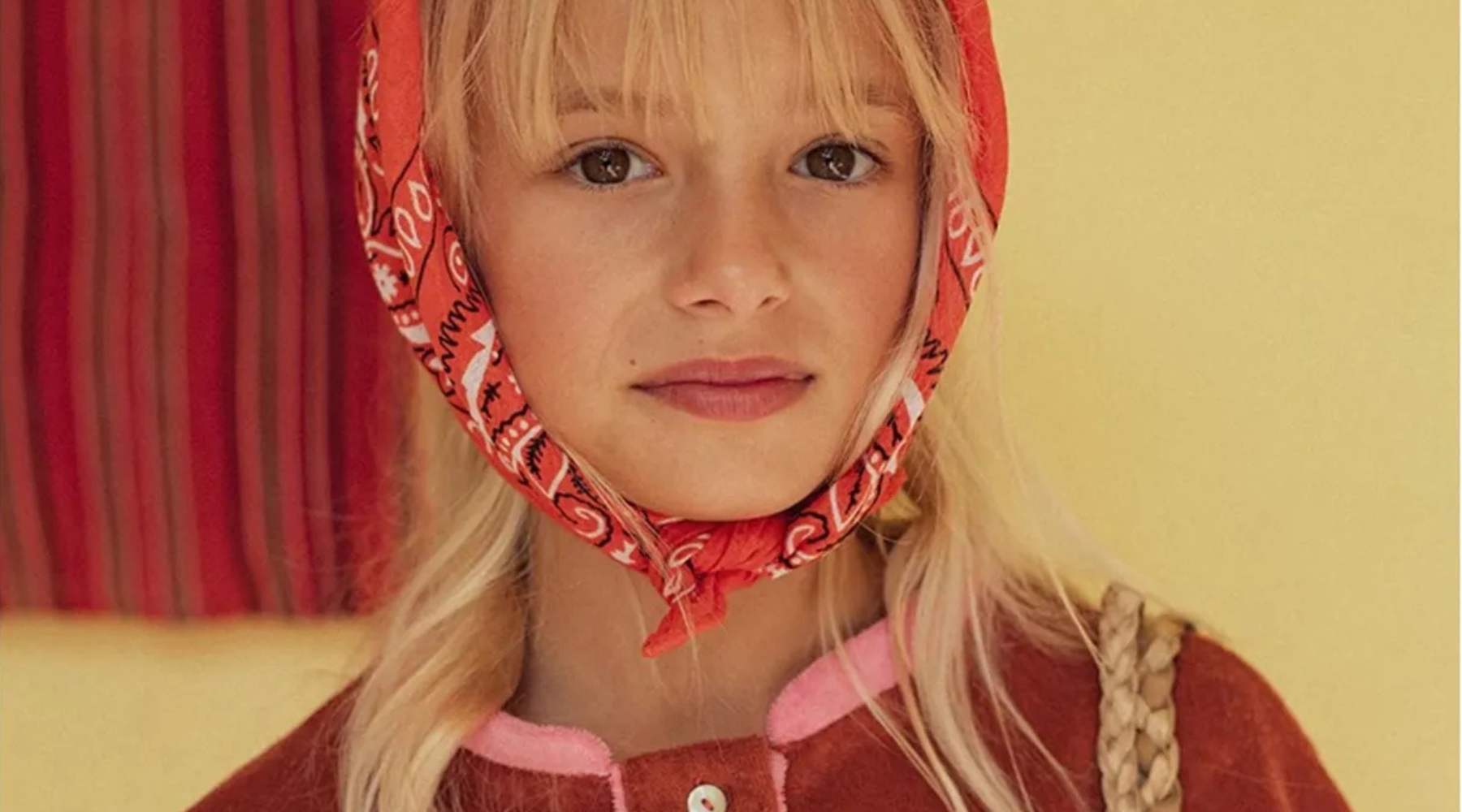
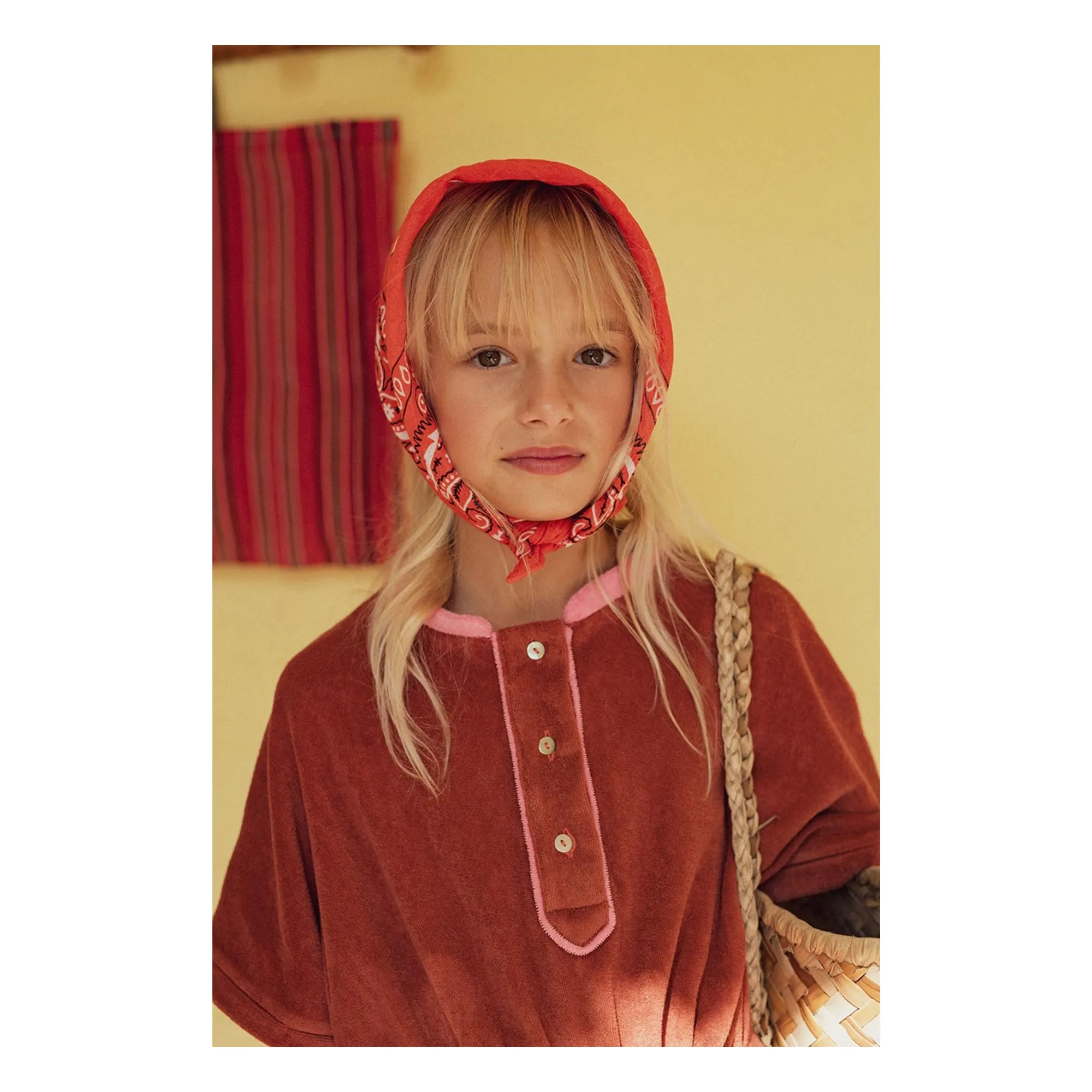
Facing sage green, soft terracotta adds depth. Caution: this is no longer the saturated terracotta of previous seasons. The 2026 version is more powdered, slightly rosy, and brighter.
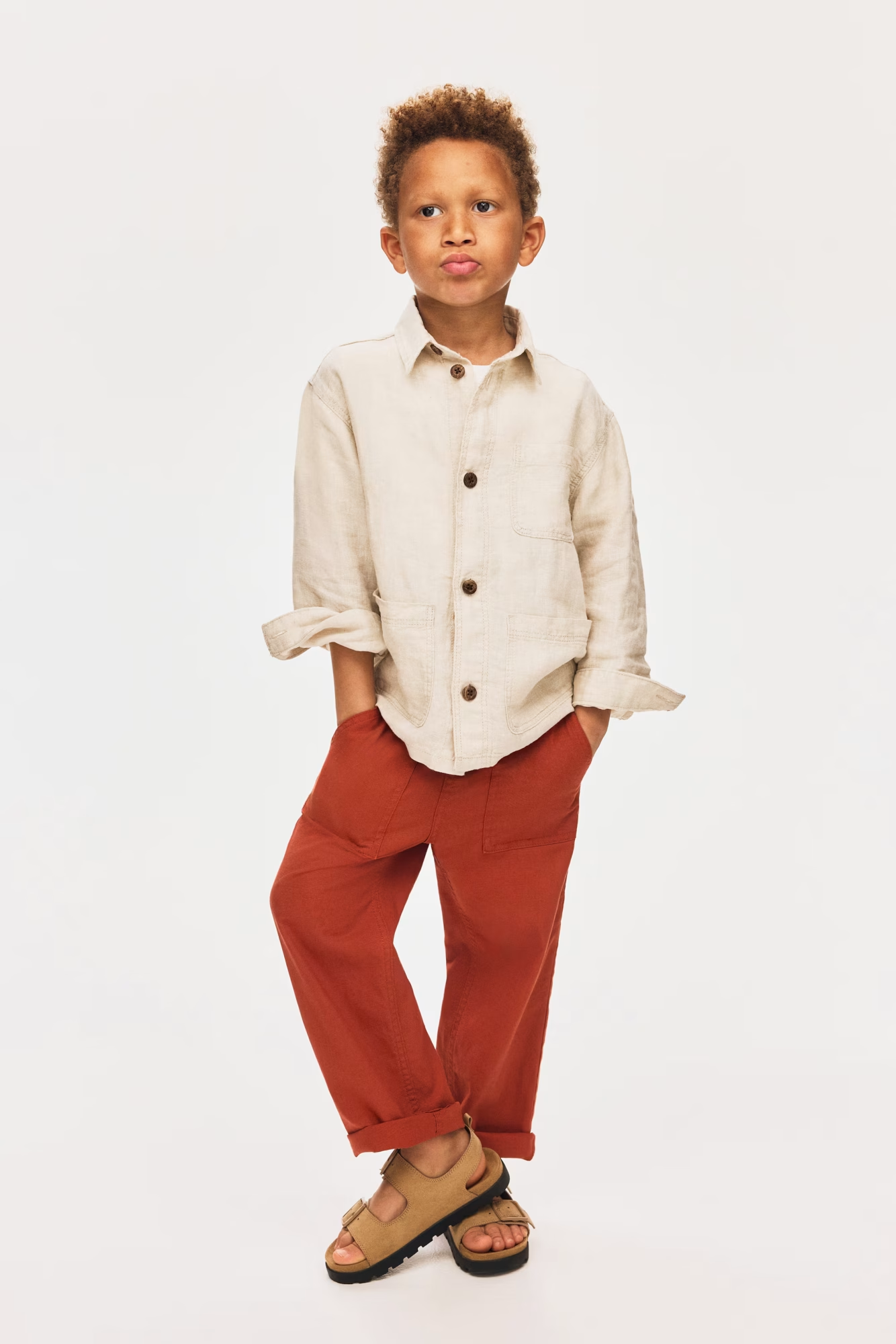
At Petit Bateau, some thick cotton dresses subtly showcase this shade. At Mango Kids, it can be found on lightweight jackets and loose pants, often paired with cream tones.
Soft terracotta has the rare ability to warm without overwhelming. It enhances both light and darker complexions, captures the spring light, and creates an elegant contrast with sage green.
Worn as a statement piece—a structured jacket, a jumpsuit, a flowing dress—it structures the silhouette without requiring complex accessories. Paired with a cream or sage top, it creates a stable, reassuring palette.
This chromatic duo works precisely because it is complementary: green brings vegetal freshness, while terracotta introduces mineral warmth. Together, they create a coherent base that replaces the accumulation of disparate shades.
Building a Coherent Palette with Five Key Pieces
Simplifying the wardrobe requires a concrete method. There is no need to renew the entirety of the drawers. Five strategic pieces are enough to establish the new kids’ colors for spring 2026.
1. A neutral bottom.
Light denim or sandy beige pants. A stable base already present in many collections, notably at Okaïdi or Cyrillus.
2. Two tops in the new shades.
A sage green sweatshirt and a soft terracotta top allow for multiple combinations.
3. A layering knit.
A thin cream or sage cardigan, ideal for temperature variations.
4. A lightweight structured jacket.
Sharp cut, warm or neutral tone, capable of crossing the season.
With these elements, associations multiply. The beige pants can pair alternately with the sage sweatshirt or the soft terracotta top. The knit unifies the whole. The jacket structures.
Fewer pieces, more options. The chromatic coherence reduces impulsive purchases and increases the durability of choices. Color becomes a system, not a seasonal whim.
Spring 2026 does not demand a great upheaval. It invites a refocusing. By adopting the bright sage green and soft terracotta, the children’s wardrobe gains in fluidity and balance. The silhouettes breathe more, associations become evident, and pieces converse with one another.
In this approach, color stops being decorative. It structures. It simplifies. It accompanies the rhythm of the season instead of enduring it.
A wardrobe designed this way does not just follow a trend: it builds a continuity, soft and sustainable, as the days grow longer.