Children’s Fashion: Why Natural Materials Truly Change Children’s Daily Lives?
This publication is also available in:
 Français
  Deutsch
  Italiano
  Español
  English (US)
In the schoolyard, children run, climb, lie in the grass, or roll on the ground without a second thought. Their clothes must keep up with this frenetic pace. However, many parents find themselves facing the same issues: scratchy t-shirts, dresses that are too warm, pants that wear out in just a few weeks. Behind these small everyday discomforts often lies a determining detail: the fabric of the garment. For several seasons now, natural fabrics for children’s clothing have been making a comeback in children’s fashion. And this discreet return actually addresses very concrete needs.
Choosing your children’s clothes may seem like a simple gesture. Yet, many parents face recurring issues: fabrics that irritate the skin, clothes that become uncomfortable as soon as children move, or items that deteriorate quickly despite careful washing.
These difficulties are not only related to manufacturing quality. They often stem from the textile composition. For a long time, the children’s fashion industry has favored synthetic fibers or technical blends to enhance durability or reduce production costs.
But children’s everyday life is anything but static. Between playing in the yard, outings to the park, sports activities, or moments of exploration, their clothes must accommodate constant movement. They need to breathe, withstand wear, and remain comfortable throughout the day.
In this context, natural fibers in children’s fashion are regaining a central place in the wardrobes of the youngest. Breathable linen, organic cotton, lightweight merino wool, or raw denim are increasingly found in contemporary collections. Far beyond an aesthetic trend, these textiles provide concrete solutions to the problems faced by families.
When Clothes Irritate Children’s Skin: The Softness of Natural Fibers
Children’s skin is particularly sensitive. It reacts more easily to friction, heat, or certain chemical treatments present in textiles.
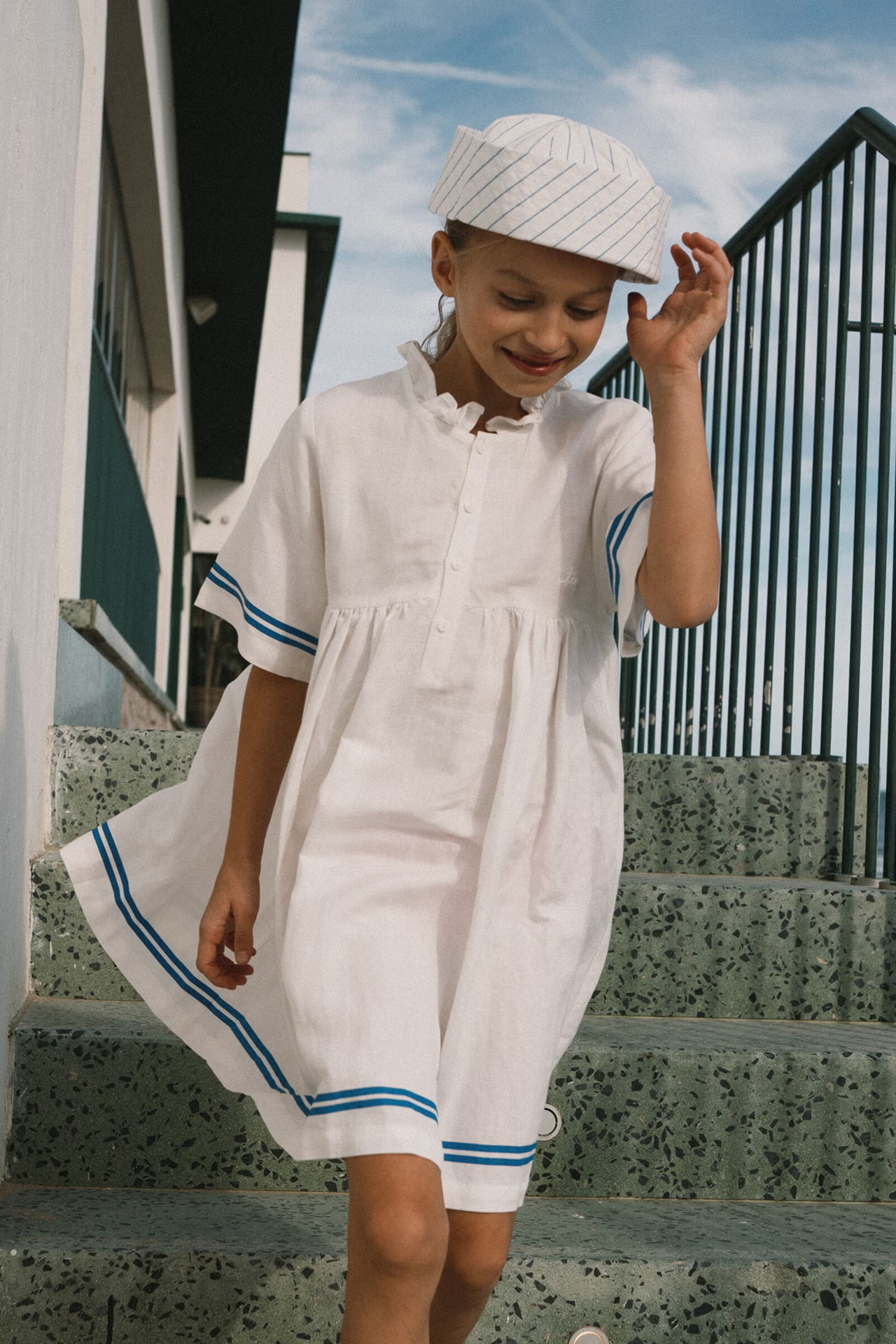
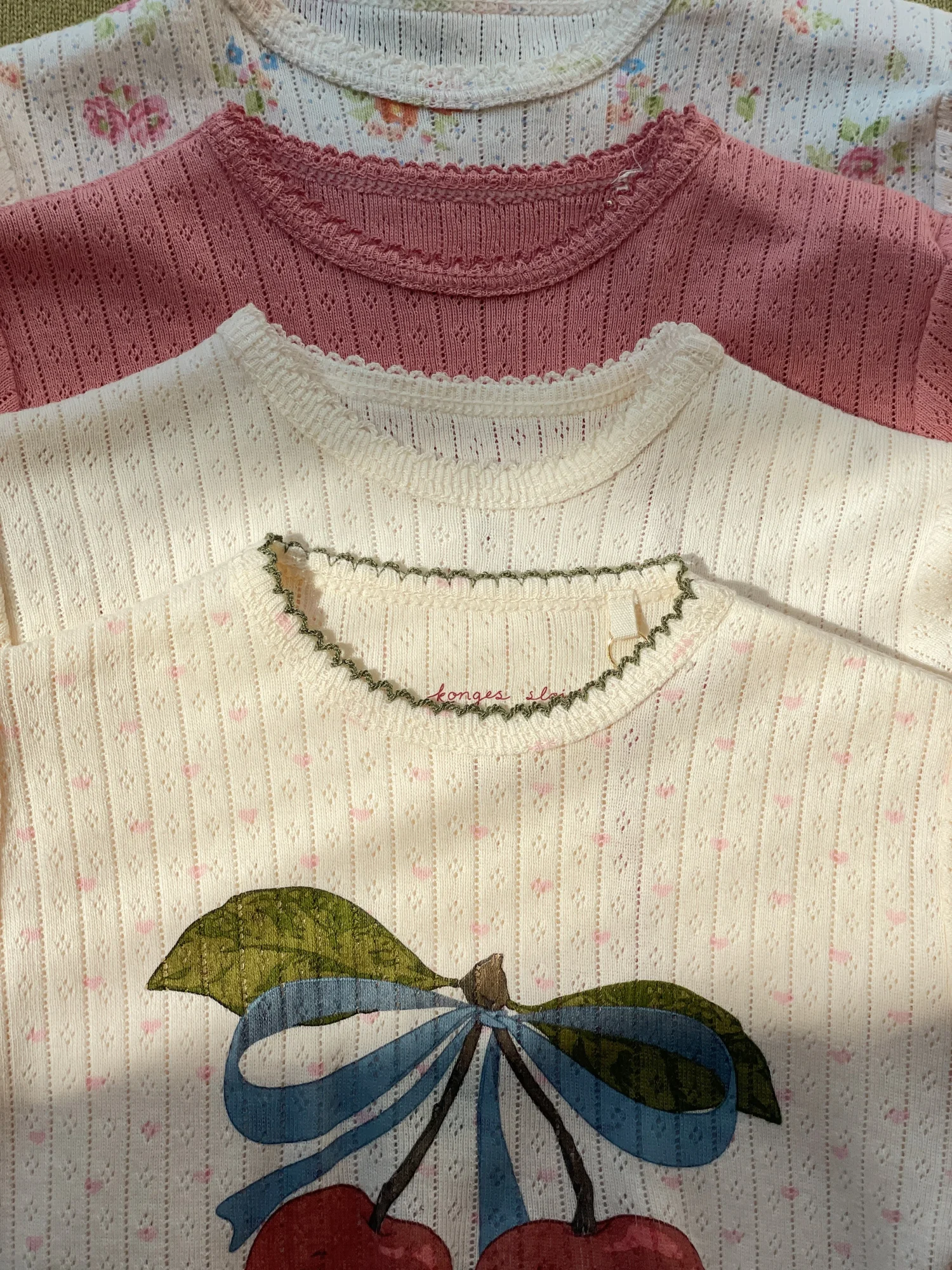
Natural materials such as organic cotton for children’s clothing or linen for children’s clothing are often favored for their softness and breathability. Organic cotton, cultivated without pesticides and processed with fewer chemical treatments, retains a softer and more pleasant texture on the skin.
Linen, for its part, has a fibrous structure that allows air circulation and limits moisture accumulation. This property reduces feelings of irritation or excessive heat, especially during active days.
For this reason, these materials are frequently used in garments worn directly on the skin: t-shirts, bodysuits, underwear, or pajamas.
When Children Get Too Hot While Playing: Fabrics That Truly Breathe
Children rarely spend their days sitting still. Between games, spontaneous races, and outdoor activities, their bodies quickly produce heat.
Some synthetic textiles retain moisture and body heat, which can create a feeling of discomfort. Natural materials for children’s clothing work differently.
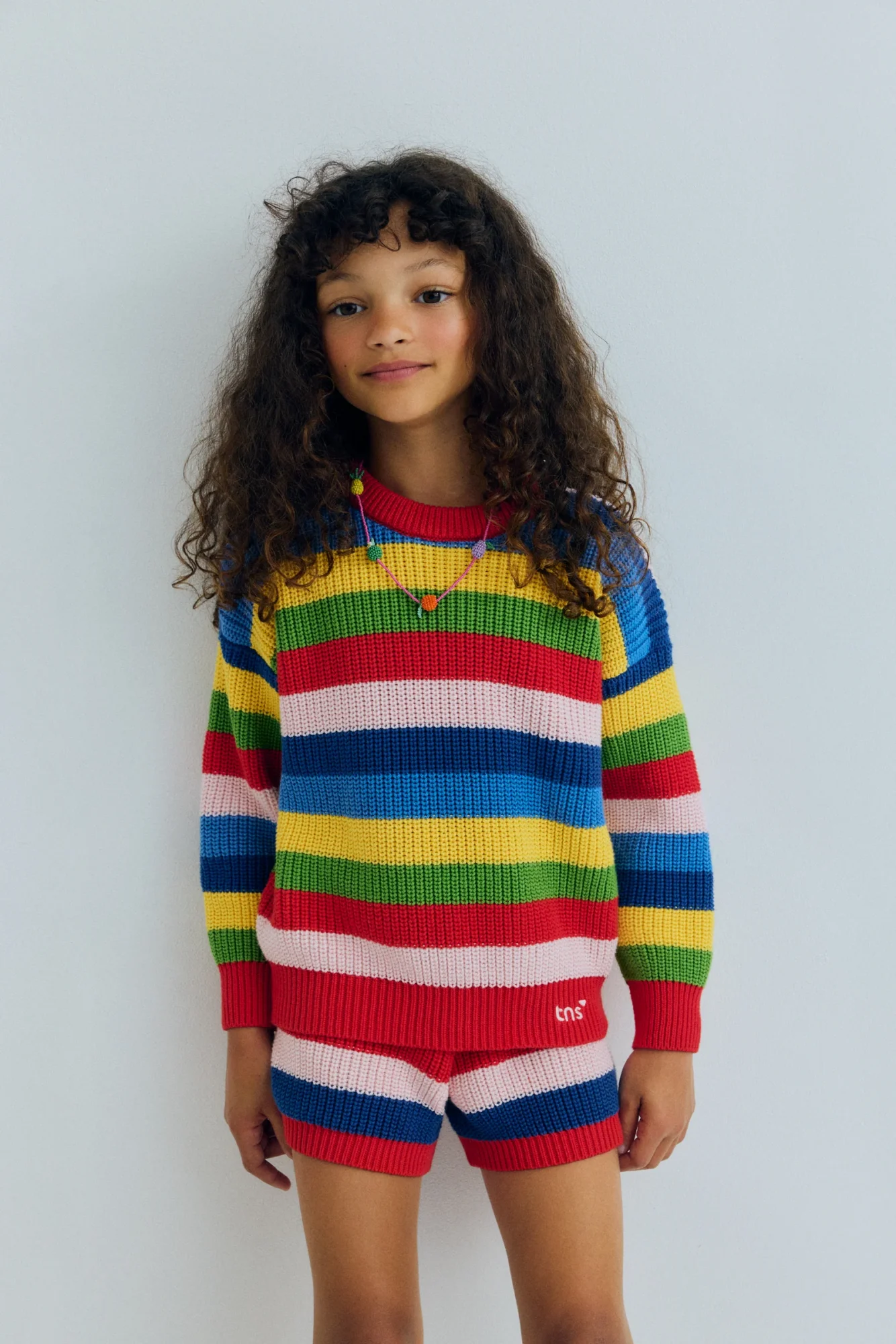
Linen is known for its ability to wick away moisture and offer a feeling of freshness, even when temperatures rise. Merino wool, often used in mid-season clothing, possesses remarkable thermoregulating properties.
These qualities make natural fibers in children’s fashion particularly suitable for everyday clothing, capable of keeping up with the dynamic pace of children.
When Clothes Don’t Last More Than a Season: The Durability of Natural Fibers
Parents know this scenario all too well: pants torn after just a few weeks of play in the yard or a sweater that loses its shape after a few washes.
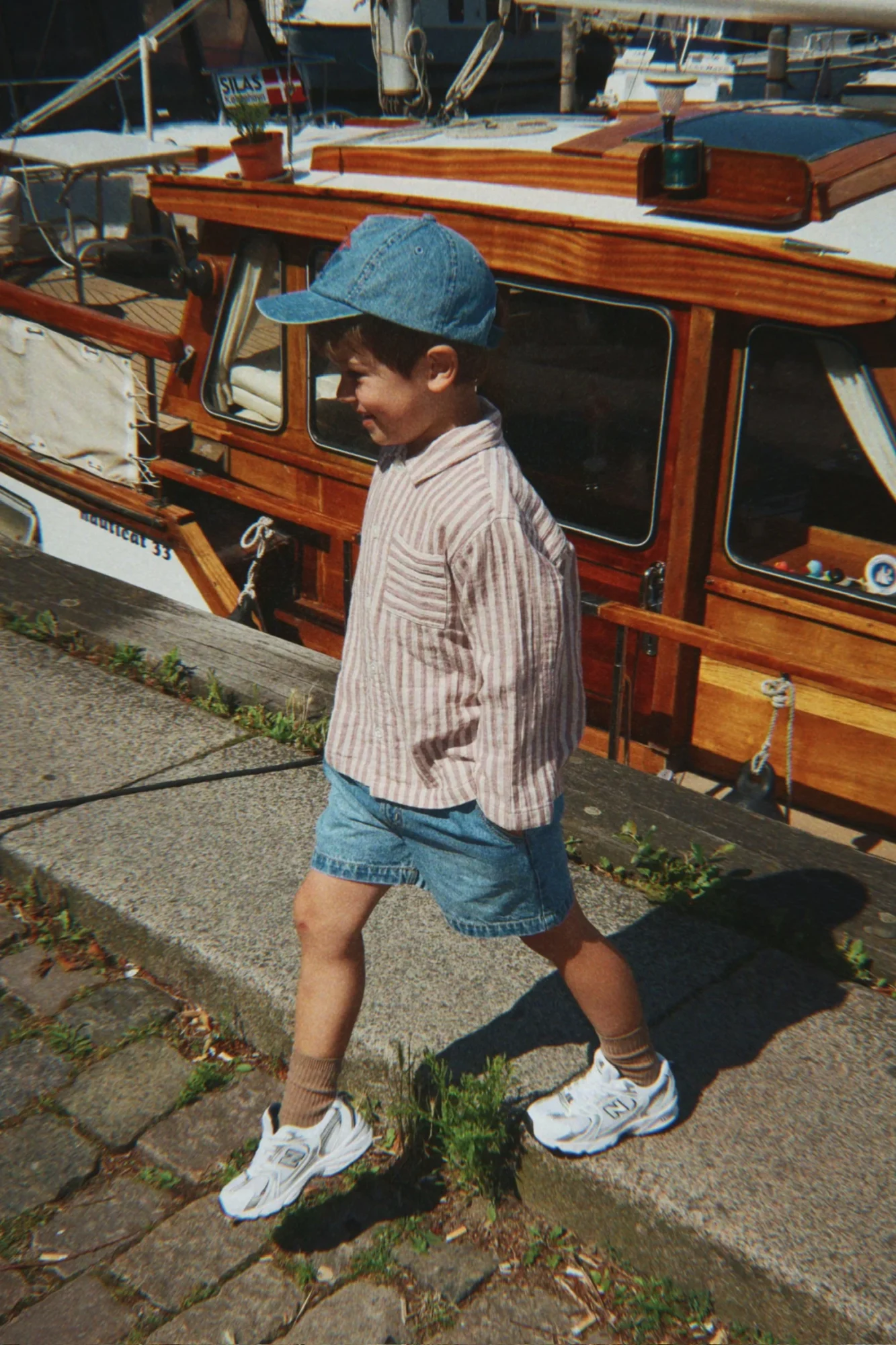
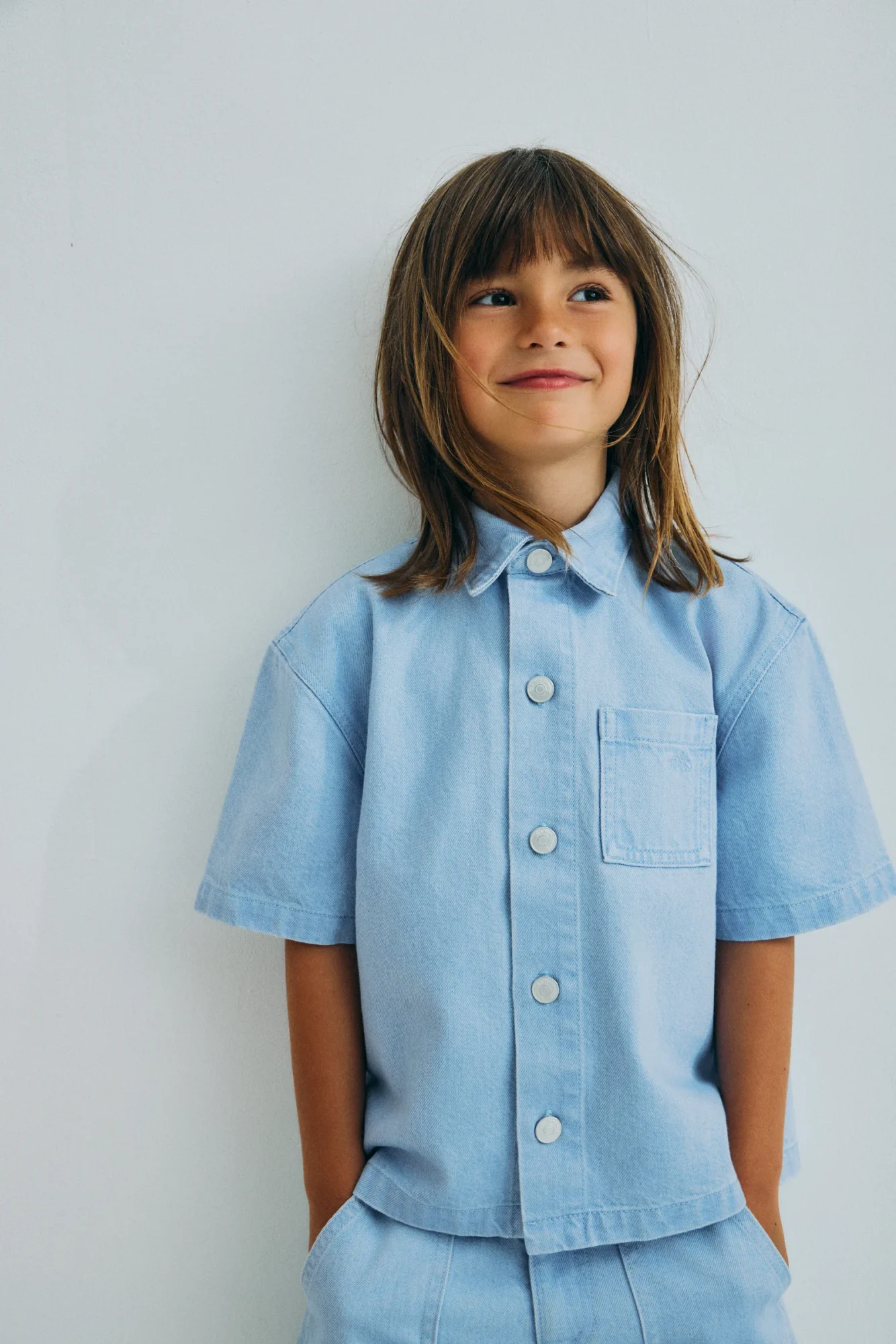
However, some natural fibers offer remarkable resistance to wear. Raw denim, for example, is renowned for its sturdiness and ability to develop a patina over time.
Dense cotton, when well-woven, also withstands repeated washing very well. These characteristics allow garments to maintain their shape longer and be passed down between siblings.
In a child’s wardrobe, this durability becomes a genuine asset.
Why Natural Fabrics Redefine the Aesthetics of Children’s Fashion
Beyond their practical qualities, natural materials for children’s clothing also bring a unique aesthetic dimension to children’s fashion.
Slightly crumpled linen, the matte texture of cotton, or the visual depth of raw denim create garments with a more authentic appearance. These textures are often accompanied by palettes of natural colors: sandy beige, ecru, sage green, terracotta, or indigo blue.
This more streamlined aesthetic corresponds to a visible evolution in contemporary collections, where clothing prioritizes comfort and durability.
The return of natural materials for children’s clothing is not just a textile trend. It addresses very concrete needs: protecting children’s skin, accommodating their movements, and offering clothing capable of withstanding their active daily lives.
By prioritizing fibers like cotton, linen, or merino wool, children’s wardrobes rediscover a form of obviousness: a children’s fashion that is more breathable, more durable, and closer to the reality of their daily lives.