Dental Emergency and Dentist in Luxembourg: Arnould Tanson Practice
This publication is also available in:
 Français
  Deutsch
  Italiano
  Español
  English (US)
The smile is not just an expression: it shapes the harmony of the face, presence, and confidence. An aligned dentition, a radiant hue, and a preserved balance between the teeth, lips, and features can subtly transform a look without any artificial effect.
In an era where contemporary beauty prioritizes controlled naturalness, orthodontics and dental aesthetics are part of a more precise approach to care. At the Arnould Tanson Dental and Orthodontic Practice in Dudelange, Luxembourg, this vision relies on personalized support, combining clinical expertise, advanced technologies, and the pursuit of harmony.
- 1. Why the alignment of teeth changes the harmony of the face
- 2. Clear Aligners: Correcting Your Smile Discreetly
- 3. Arnould Tanson in Dudelange: Expertise in Measured Smiles
- 4. Aligning Without Standardizing: The Beauty of a Natural Smile
- 5. From Early Screening to Adulthood: The Right Times to Consult
- 6. Dental Aesthetics: When Radiance Dialogues with Alignment
- 7. Wisdom Teeth, Stomatologist, and Coordinated Pathways
- 8. Why the Smile Has Become a Style Gesture
Why the alignment of teeth changes the harmony of the face
Dental alignment plays a crucial role in the balance of the face. Overlapping teeth, a narrow arch, jaw misalignment, or poor occlusion can alter the perception of a smile, as well as that of the profile and expression at rest.
Modern orthodontics therefore seeks not only to achieve straight teeth. It observes the relationships between the arches, chewing, growth in children, the stability of the outcome, and overall aesthetics. A harmonious smile is not standardized: it must remain coherent with the features of the face.
Just like in fashion, the most subtle details are often the most decisive. A flawless cut can transform a silhouette without drawing attention to itself; similarly, a well-thought-out dental alignment gives the face readability without ever taking center stage.

Clear Aligners: Correcting Your Smile Discreetly
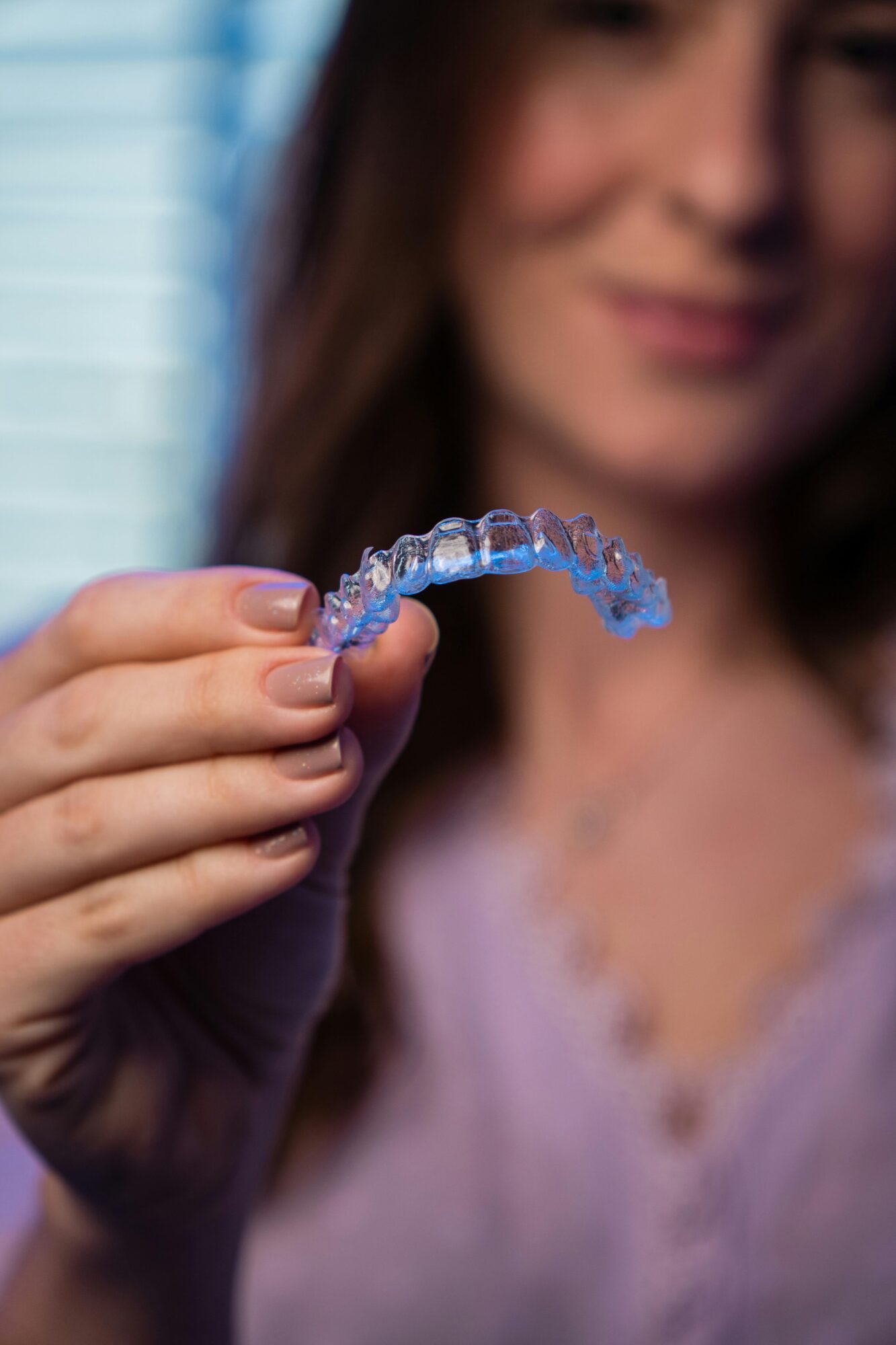
Adult orthodontics appeals to patients who wish to enhance their smile without disrupting their daily lives. Clear aligners cater to this quest for discretion. Removable, nearly invisible, and custom-made, they gradually shift the teeth according to a treatment plan defined after diagnosis.
This solution is particularly suitable for active adults, those exposed in their professional lives, or anyone wanting to maintain a natural appearance during treatment. It represents a more flexible and aesthetically pleasing way to approach orthodontics.
However, discretion should not overshadow medical requirements. An orthodontic treatment involves the positioning of teeth, occlusion, and the stability of the result. Clear aligners are not just an aesthetic device; they are part of a protocol that must be meticulously planned.
Arnould Tanson in Dudelange: Expertise in Measured Smiles
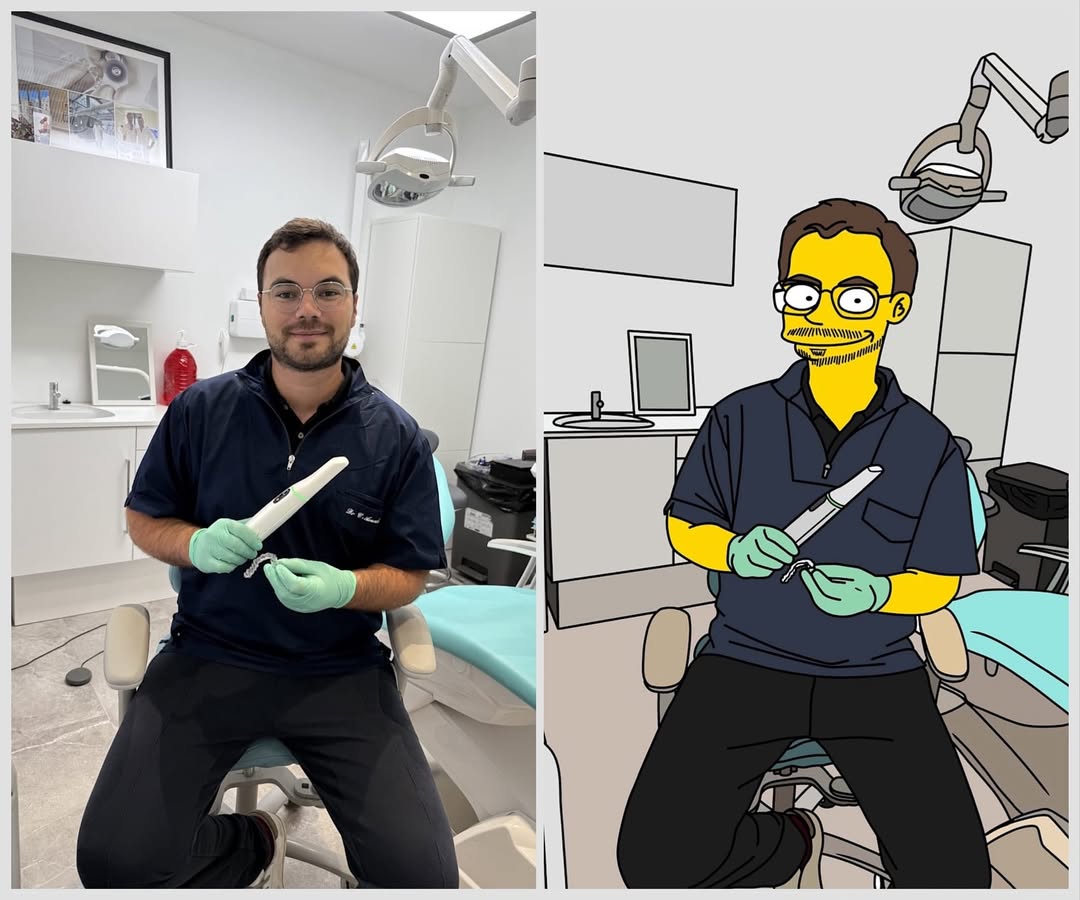
In Dudelange, Luxembourg, the Arnould Tanson practice—located at the Grande Duchesse Charlotte Practice—supports patients with an approach that combines clinical precision and a sense of aesthetics. This office dedicated to orthodontics in Dudelange, Luxembourg serves children, teenagers, and adults, with a focus on screening, diagnosis, treatment selection, and follow-up.
Dr. Clément Arnould, a graduate from France, has built his expertise around orthodontics and smile aesthetics, with a particular sensitivity towards modern treatments and discreet approaches. His background, enriched by clinical training with recognized orthodontic aesthetic practices, allows him to approach each case with a technical and personalized perspective.
One of the challenges of contemporary orthodontics is to preserve dental integrity as much as possible. Depending on the situation, certain strategies can create the necessary space for tooth alignment without systematically resorting to tooth extraction or more invasive interventions. Each case remains unique: only a clinical examination can determine the most suitable approach.
For those seeking an orthodontist in Dudelange, the Arnould Tanson practice offers a comprehensive analysis of the smile, far from a one-size-fits-all response. The goal is not to impose an ideal but to understand the structure of the face, the patient’s expectations, and the real possibilities for treatment. Practical information and the services offered by the practice can be found at dentiste-tanson.lu.
Aligning Without Standardizing: The Beauty of a Natural Smile
The notion of a perfect smile has long been associated with an almost unreal symmetry, with very white, very regular teeth, sometimes detached from the rest of the face. This vision seems outdated today. Beauty trends increasingly value crafted naturalness, subtle balance, and imperceptible correction.
Orthodontics fully participates in this evolution. The aim is not to create identical smiles but to restore harmony. A slight uniqueness can remain elegant; a dental shape can be respected; a hue can be radiant without becoming artificial.
Dental aesthetics is not limited to alignment. It also considers the smile line, the visibility of the gums, the proportion of incisors, the shape of the lips, and the dynamics of the face when animated. It is in this quest for accuracy that the smile becomes a signature: it does not narrate transformation; it reveals presence.
From Early Screening to Adulthood: The Right Times to Consult
In children, early orthodontic screening can make all the difference. Between ages 6 and 9, certain growth anomalies, dental positioning issues, or occlusion problems can be identified before they become permanent. This step does not necessarily mean that treatment must begin immediately, but it allows for observation and anticipation.
Early screening can help identify a lack of space, a narrow jaw, mouth breathing, atypical swallowing, or a misalignment between arches. In some cases, timely intervention can simplify the subsequent orthodontic process.
For adults, the reasons for consulting vary: increased dental overlap over time, functional discomfort, premature wear, difficulty fully closing the mouth, discomfort while chewing, or a desire for a more harmonious smile. At every age, the starting point remains the same: a personalized diagnosis based on the analysis of the smile, occlusion, teeth, and face.

Dental Aesthetics: When Radiance Dialogues with Alignment
Dental aesthetics is not limited to orthodontics. Once the teeth are aligned, or sometimes in parallel to a comprehensive treatment plan, other procedures can contribute to the harmony of the smile. Teeth whitening, when performed under professional supervision, brings brightness without excess. The goal is not an artificial whiteness but a color consistent with skin tone, age, and facial expression.
The radiance of a smile also depends on the health of the teeth and gums. A bright dentition relies first on rigorous hygiene, regular check-ups, and appropriate management of any sensitivities.
In this perspective, alignment and color respond to each other. Well-positioned teeth reflect light better, facilitate brushing, and often improve the overall perception of the smile. A controlled whitening can then subtly highlight the orthodontic result.
Wisdom Teeth, Stomatologist, and Coordinated Pathways
Wisdom teeth are often addressed during a dental or orthodontic assessment. Their position, development, and potential impact on available space may require particular monitoring. They do not always pose a problem, but when they lack space, cause pain, or promote inflammation, management may be considered.
In some cases, the opinion of a stomatologist or a specialized surgeon may be recommended. This collaboration allows for treatment to be framed within a global vision, where each decision considers oral health, function, and aesthetics.
A well-coordinated dental pathway avoids isolated decisions. Orthodontics, dental aesthetics, potential surgery, conservative care, and prevention must communicate with each other. The smile is not a succession of independent corrections, but a living whole, subject to movements, age, and habits.
Why the Smile Has Become a Style Gesture
Today, the smile occupies a vital place in building one’s appearance, alongside an impeccable cut or a well-chosen detail. In an age where faces express themselves as much in meetings as in photos or videos, its balance directly influences presence. When aligned, bright, and natural, it does not dominate the face: it brings a sense of obviousness. At Arnould Tanson, this new grammar of the smile is written in measure: observing before correcting, personalizing before transforming, preserving before embellishing.