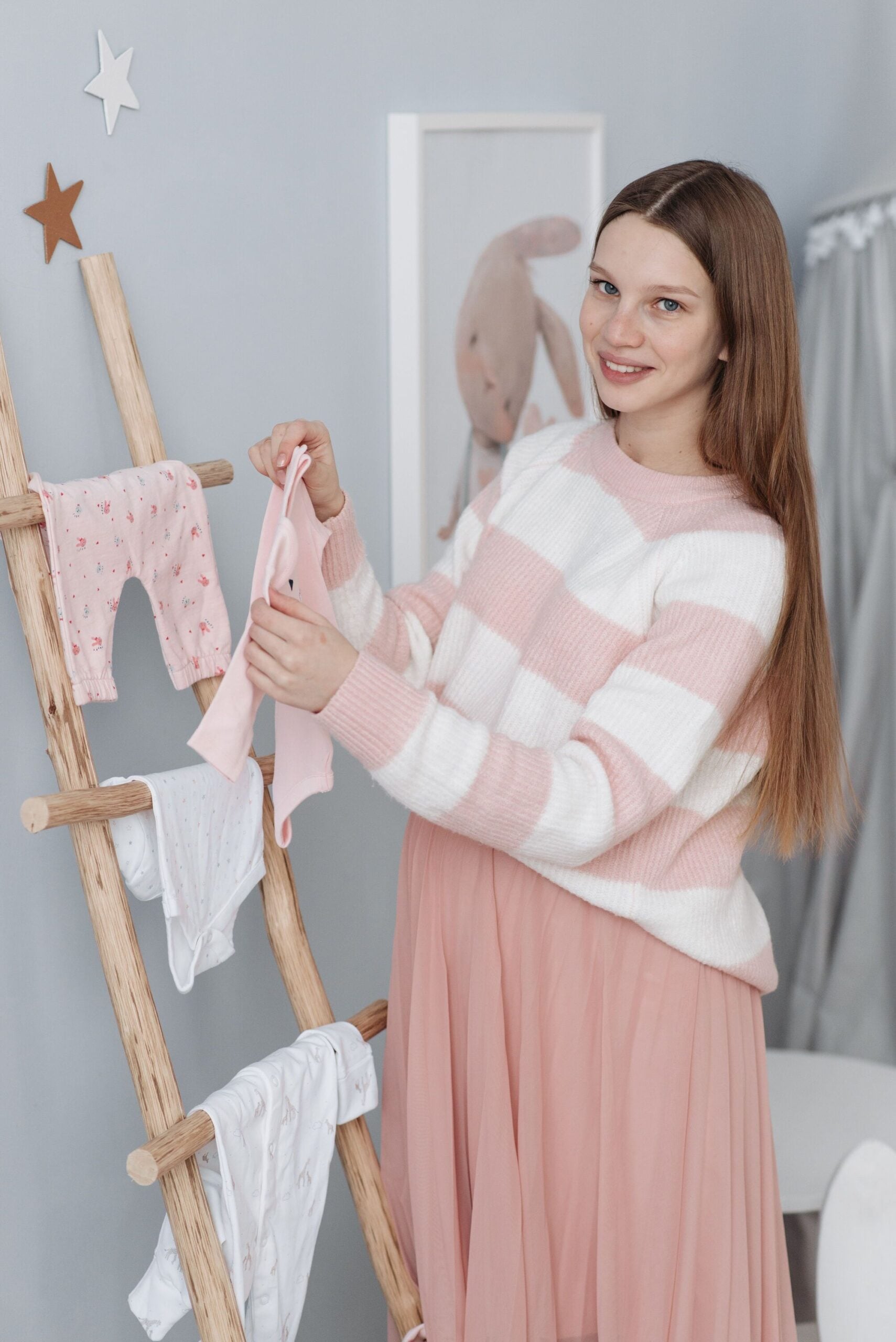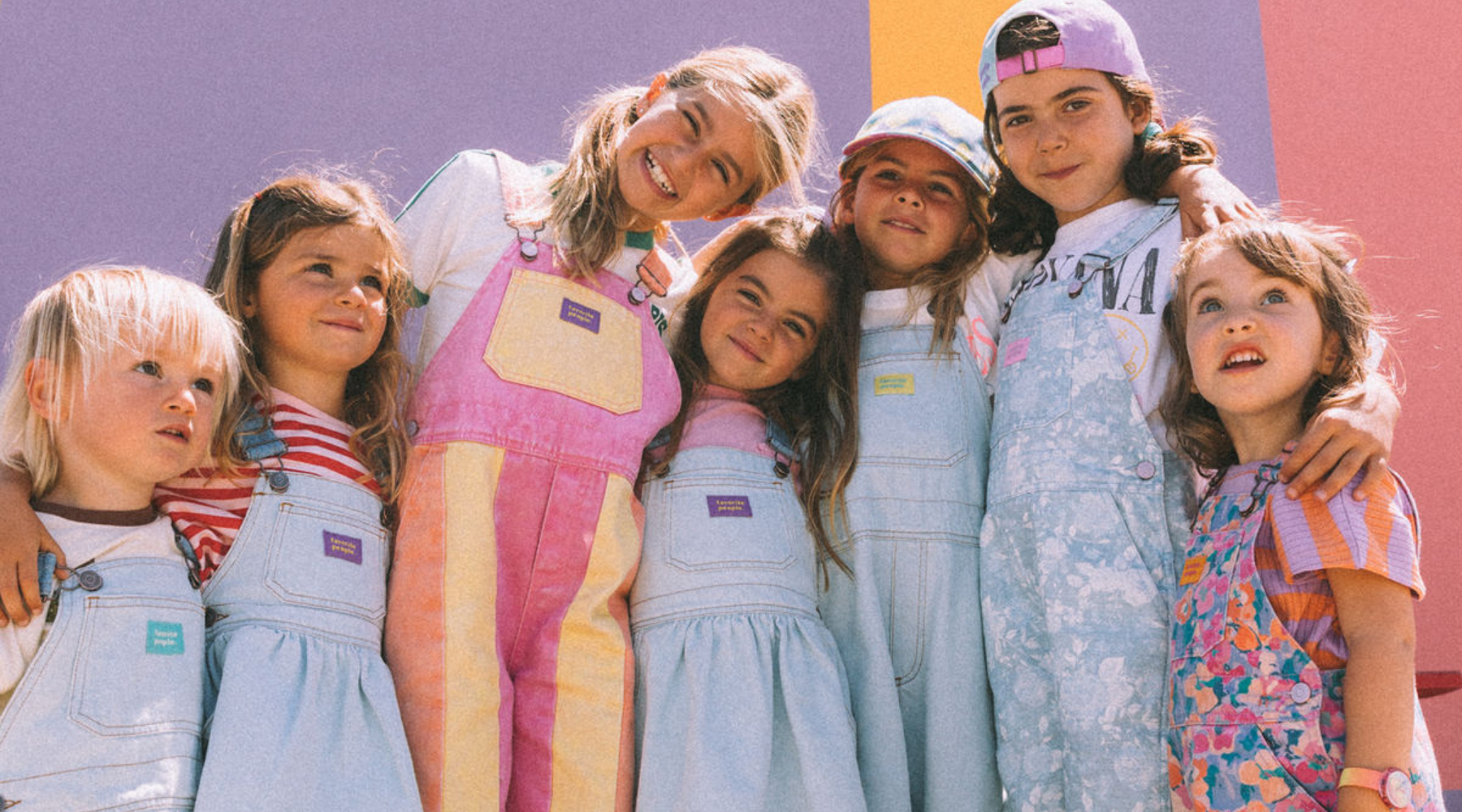
How to dress a child in spring 2026 without multiplying clothes?
This publication is also available in:
 Français
  Deutsch
  Italiano
  Español
  English (US)
Mid-season, unstable weather, overflowing closet: what if simplifying the children’s wardrobe really changed the mornings?
Getting a child dressed in spring is probably one of the most complex tasks on the family calendar. Winter imposed a simple logic: layer and protect. Summer, on the other hand, naturally lightens the choices. But mid-season is destabilizing. Temperatures fluctuate, activities intensify, and days lengthen.
Faced with this instability, many respond by accumulating: an extra jacket “just in case,” a double sweater, several “lighter” pants. However, despite a fuller wardrobe, the feeling of never having the right outfit persists.
For spring 2026, the answer does not lie in buying new pieces, but in a more structured approach: building a transitional wardrobe designed for modularity. A reduced, coherent set, where each garment has a specific function and can interact with the others. The goal is not to restrict but to simplify — with style.
Why mid-season complicates mornings so much
Spring is not a stable season. It’s a transition. At 8 AM, the air is still crisp; by school’s out, the yard feels almost summery. This thermal amplitude imposes constant decisions. Cover too much, and the child sweats. Lighten too much, and the morning chill surprises.
Added to this variability is the energy inherent to childhood. A child does not go through their day calmly walking: they run, climb, sit on the ground, and get back up. The clothing must keep pace with this rhythm, adapting without constraining. A coat that’s too heavy becomes a burden. A piece that’s too thin doesn’t provide enough protection.
March is also a pivotal time for growth. Winter pants suddenly become too short. Sleeves become too short. What seemed sufficient in January is no longer in April. The temptation to quickly buy new items without an overview is strong. Finally, mental load plays a silent role. Mornings are already dense. Deciding what to dress your child in should not become an additional equation. The problem is therefore not a lack of personal organization: it’s an unstable season that requires a finer strategy.
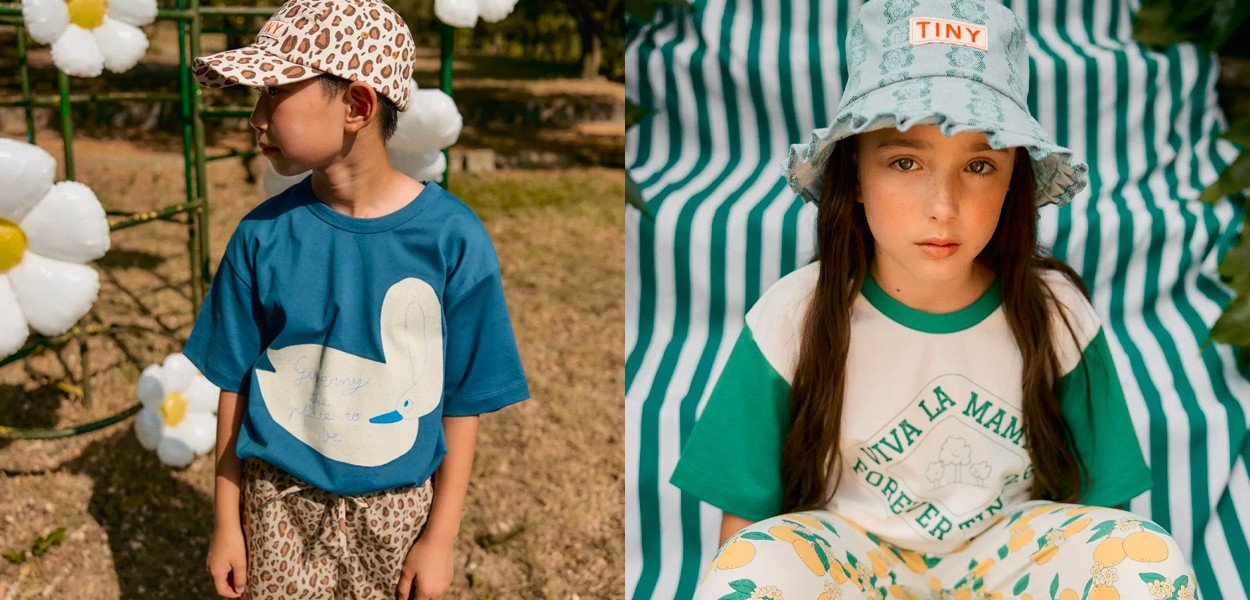
Common Mistake: Adding Instead of Adjusting
When looking for how to dress a child in spring, the common reflex is to add layers to the wardrobe. One more sweatshirt. A different jacket. A pair of “in-between” pants. This stacking logic reassures in the moment, but complicates daily life.
Multiplying similar pieces creates an illusion of choice. In reality, the garments end up competing with each other rather than complementing. Three lightweight jackets in incompatible shades do not facilitate combinations. They make them more uncertain.
Another pitfall: buying pieces that are too specific. A dress designed solely for special occasions, light pants poorly suited for outdoor play, a jacket with a very strong style. These garments have their place, but do not structure a transitional wardrobe.
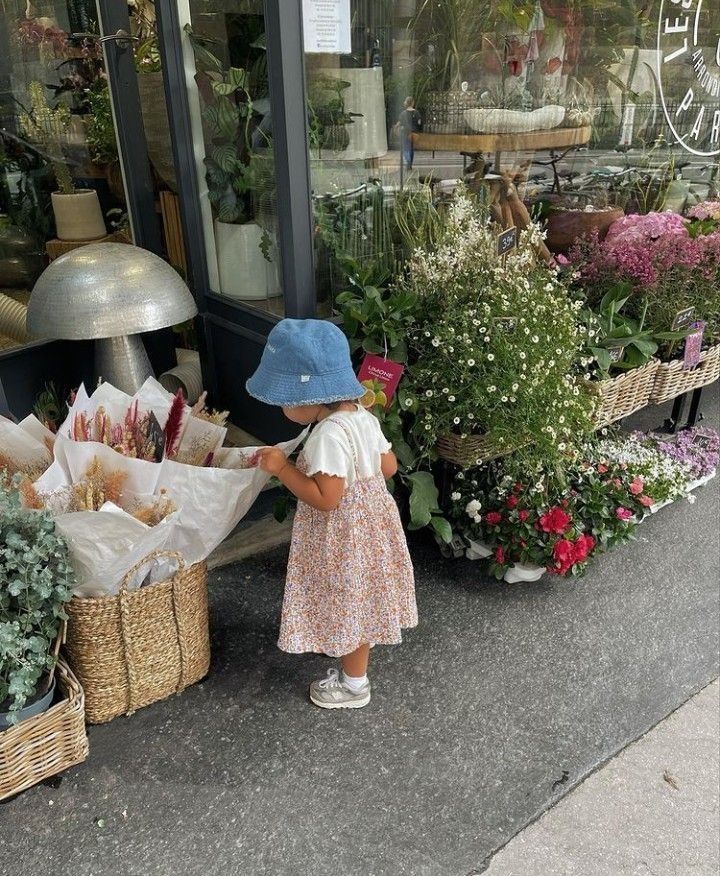
Finally, relying on complete “outfits” rather than compatible pieces confines daily life to fixed combinations. An effective wardrobe rests on chromatic and functional coherence. A limited palette — warm beige, soft blue, sage green, raw denim — allows for spontaneous pairings. Each element naturally finds its place.

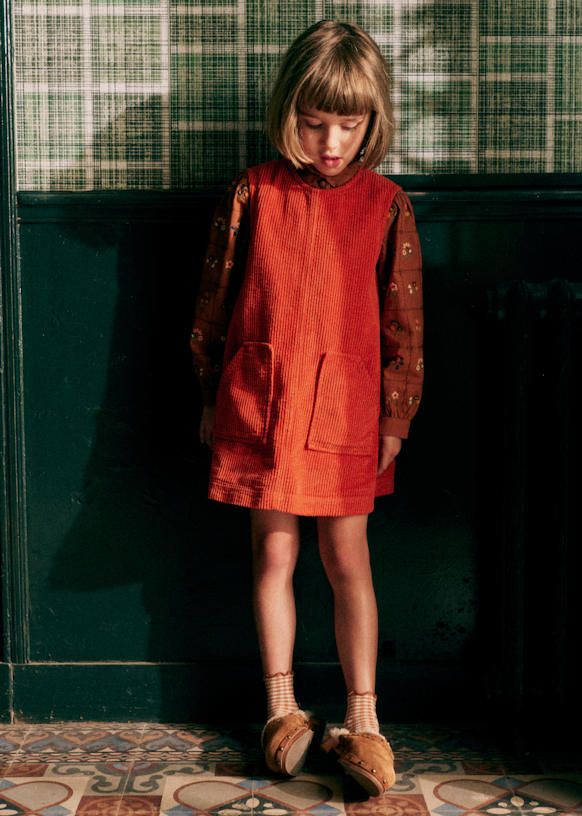
The Solution: Build a Transitional Wardrobe with 10 Key Pieces
Instead of accumulating, the idea is to compose a clear foundation. Ten well-chosen pieces can be enough to dress a child throughout spring.
First, two versatile bottoms: a pair of soft denim pants, like those offered by Petit Bateau, and a lightweight cotton chino. Comfortable cuts that can pair effortlessly with several tops.
Next, three compatible tops: a long-sleeved t-shirt in thick cotton, a lightweight shirt or flowy blouse, and a thin sweatshirt or sweater. Breathable pieces, in harmonized colors, that can be worn alone or layered.
Two intermediate layers structure the whole: a fine-knit cardigan — Jacadi regularly offers them in neutral tones — and a shirt jacket or lightweight worker jacket, found at Bonton or Zara Kids in sober and easy-to-coordinate versions.
A lightweight structured jacket becomes the pivotal piece: a children’s trench, elegant windbreaker, or mid-season parka. The goal is for it to pair with all bottoms and tops.
For shoes, one adaptable pair is sufficient: sturdy canvas sneakers or soft leather sneakers, suitable for both school and weekends.
Finally, a “comfort refuge” piece — an enveloping sweatshirt or a softer cardigan — reassures and is quickly thrown on when the temperature drops.
The key is not the list itself, but the logic. Limited palette. Breathable natural materials. Simple layering. Maximum compatibility. Each piece should work with at least three others.
How to Keep Style Without Complicating
Simplifying does not mean homogenizing. A coherent transitional wardrobe can remain expressive.
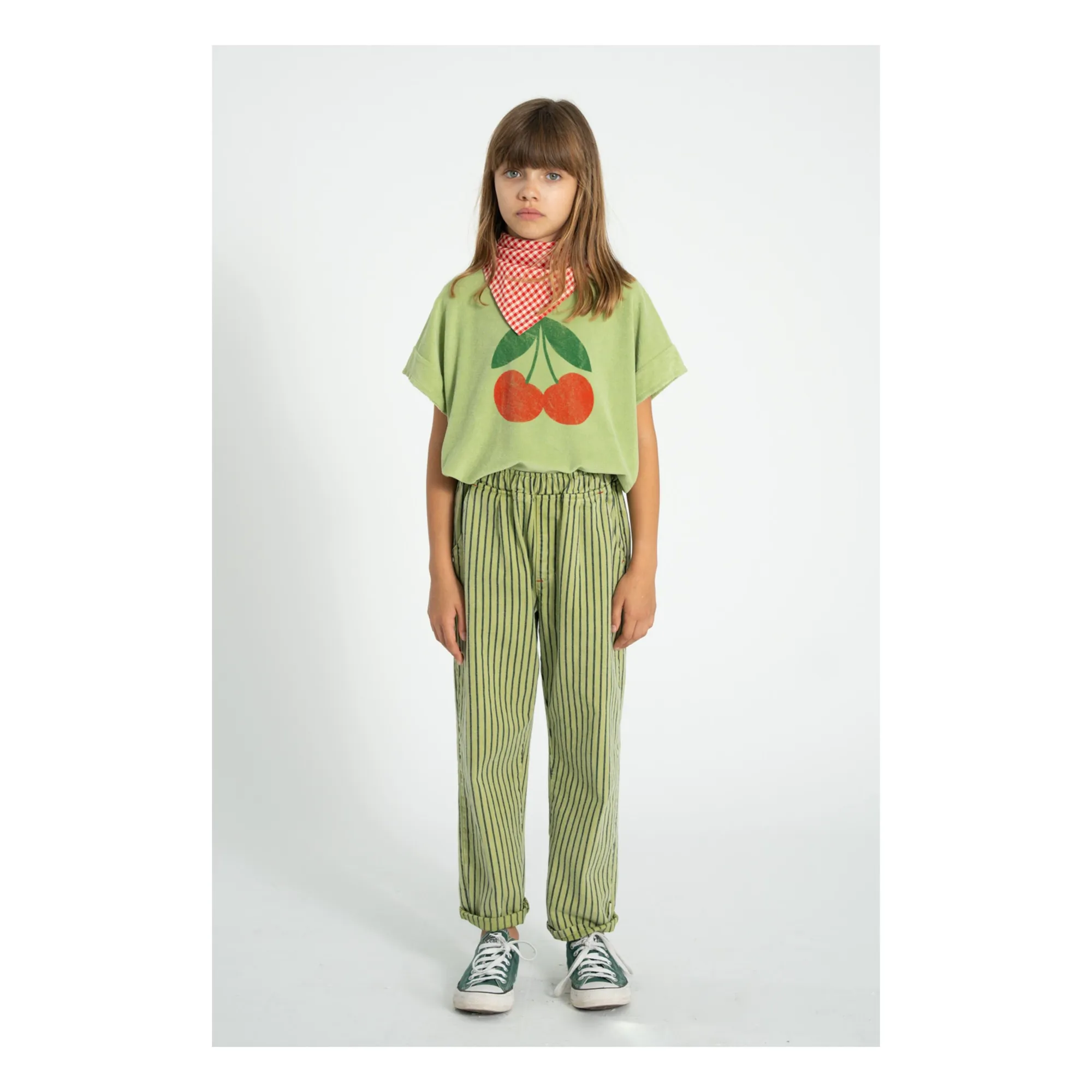
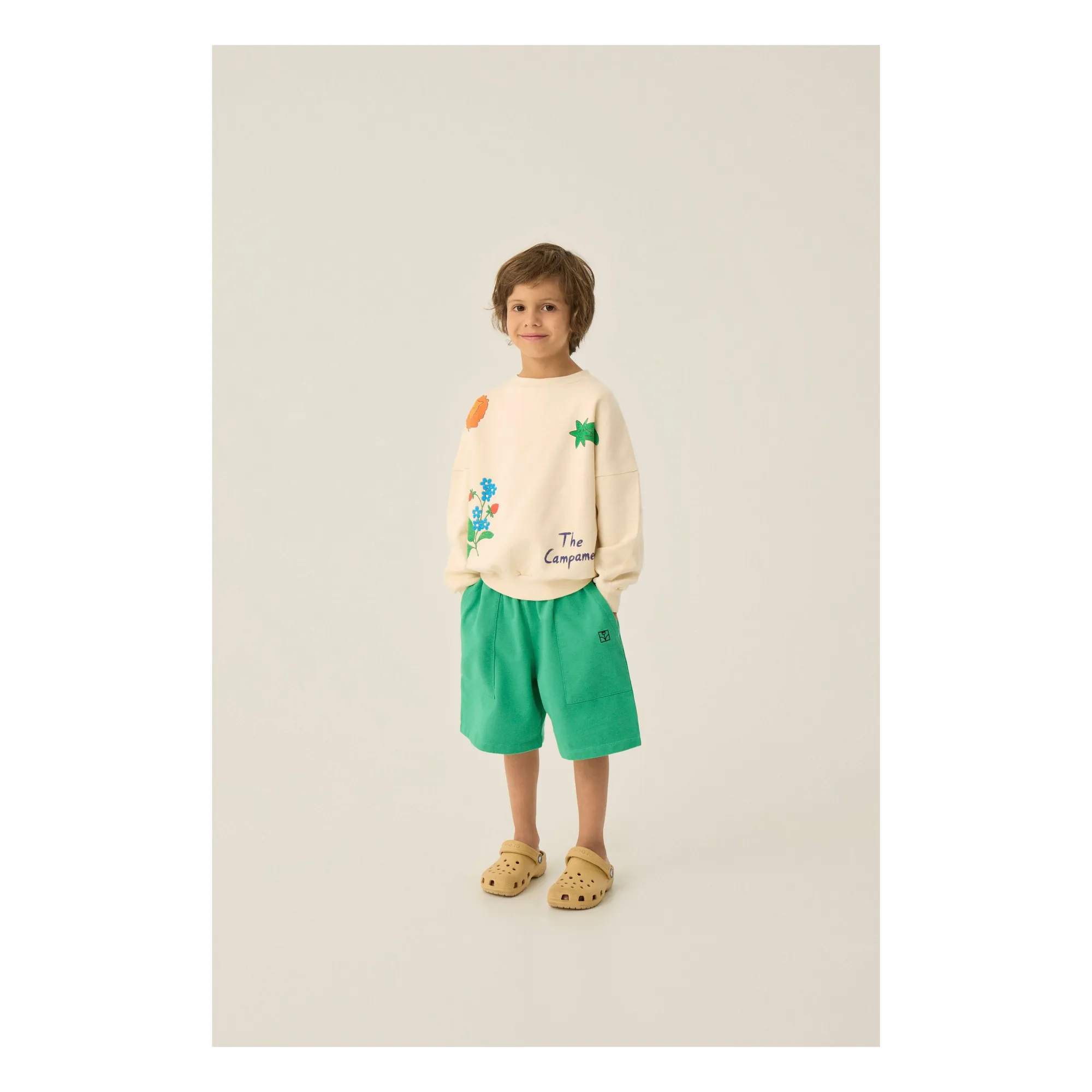
Aesthetic stems first from readability. A silhouette composed of three well-matched colors appears more polished than a heterogeneous assembly. Coherence creates an impression of intention.
Details also play a role: a slightly loose cut, a textured material, a well-crafted collar. At Bonpoint or Louise Misha, for example, the volumes and subtle prints add character without overwhelming.
Minimalism, when chosen, also gives more space to the child’s personality. A wardrobe that’s too dense imposes permanent choices. A mastered wardrobe offers a framework within which the child can compose more freely.
In reality, simplifying the dressing means shifting the effort: less hesitation in the morning, more attention during the initial selection. It’s an intelligent organization, not a deprivation.
In spring, the challenge is not to anticipate every temperature variation, but to make the wardrobe flexible enough to absorb them. By reducing the pieces to the compatible essentials, daily life gains fluidity. Mornings become lighter, choices more intuitive. And the child, freed from an excess of layers or options, regains what the season promises: movement.