
Luxury Shopping: The Art of Outsmarting Fake Boutiques
This publication is also available in:
 Français
 Deutsch
 Italiano
 Español
 English (US)
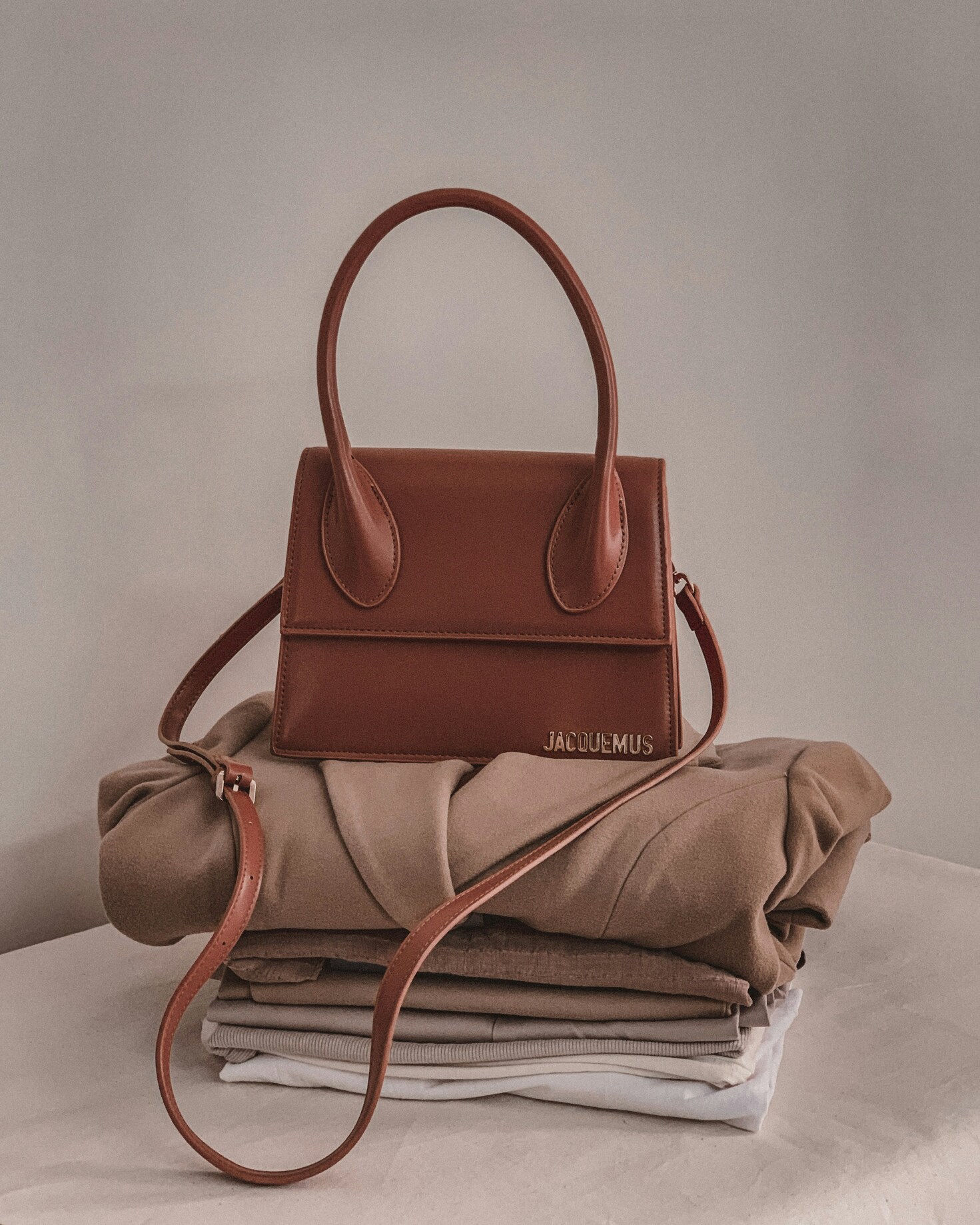
A Jacquemus bag at half price, Saint Laurent heels offered during a private sale, a designer piece previously inaccessible… Some offers are truly enticing for fashion enthusiasts. However, behind an impeccable selection and photographs worthy of a luxury e-shop, it sometimes happens that the store has nothing authentic. When a deal seems too good to be true, a few details often help distinguish a genuine opportunity from a fraudulent site.
Fake Luxury Sites: When Appearance Becomes Deceptive
Fake online boutiques know how to borrow the codes of major fashion houses. Familiar logos, photographs of official collections, minimalist layout: their presentation can inspire trust at first glance. Some even go as far as to replicate the visual identity of recognized boutiques.
The price remains one of the first indicators. A brand new Chanel bag displayed at 80% off or designer sneakers offered for a fraction of their usual value should raise suspicions. Significant discounts are not necessarily synonymous with fraud, but they deserve scrutiny.
Be wary of private sales with improbable deadlines, persistent countdowns, and mentions like “last item available.” These techniques play on the fear of missing out on a good deal to rush the purchase.

Details That Reveal an Unreliable Boutique
Before finalizing your cart, it’s better to pay attention to a few often-overlooked elements. The website address, first: an extra letter added to the name of a brand, an approximate spelling, or an unusual domain can betray an imitation.
Legal mentions then help identify the seller. For a French company, the INPI data is a useful resource to verify certain official information. The DGCCRF also recommends checking independent reviews, the professional’s contact details, and the general terms of sale.
A reliable boutique should specify its delivery and return policies. In France, distance purchases generally benefit from a 14-day withdrawal period, subject to certain exceptions detailed in this official guide.
Online Shopping: Protecting Your Purchases and Data
Vigilance does not stop at choosing the boutique. At the time of payment, prefer solutions that allow you to dispute a transaction in case of problems. Some banks also offer virtual cards, convenient for limiting the disclosure of your banking details.
Another often-overlooked reflex: reserve an email address for your online purchases. A simple way to centralize order confirmations, better spot suspicious messages, and separate commercial exchanges from personal correspondence.
Unique passwords and two-factor authentication complete these precautions. As for the padlock displayed in the address bar, it indicates an encrypted connection but does not guarantee the seller’s honesty.
What to Do When a Fake Boutique Has Already Been Paid?
Even an attentive buyer can be convinced by a fraudulent site. If doubt arises after an order, the first reflex is to contact your bank to report the transaction and explore possible recourse.
Keep payment proof, order confirmations, and exchanges with the seller. A problem encountered with a professional can be reported on SignalConso. The site Cybermalveillance. Gouv. Fr also offers advice and assistance tailored to victims of cyber malice.
A long-desired bag or a rare designer piece deserves more than a hasty purchase. Before finalizing your order, a few checks can sometimes preserve all the joy of shopping: choosing a piece you love, from a boutique you can trust.