The K-Beauty ingredients shaping modern skincare
Long before “skin barrier” became beauty’s favourite phrase, Korean skincare was already approaching complexion care differently. Less aggressive correction, more long-term balance. Less instant transformation, more considered maintenance. The result is a generation of formulations that prioritise healthy, luminous skin with a level of precision the wider beauty industry is only now beginning to embrace.
From fermented actives to calming botanicals, these are the K-beauty ingredients quietly reshaping modern skincare routines.
- 1. Centella Asiatica: the art of calming skin
- 2. Snail mucin: regeneration with a weightless finish
- 3. Galactomyces ferment filtrate: the ingredient behind glass skin
- 4. Mugwort: the understated botanical gaining attention
- 5. Propolis: barrier support with a luxury approach
- 6. Why K-Beauty still feels so modern
Centella Asiatica: the art of calming skin
Known as cica or tiger grass, Centella Asiatica has become one of the defining ingredients of Korean skincare. Rich in madecassoside and asiatic acid, it is valued for its ability to support the skin barrier while visibly reducing redness and sensitivity.
What makes Centella compelling is its restraint. Rather than overwhelming the skin with aggressive actives, it works gradually to restore balance, a quality that feels especially relevant as more consumers move away from over-exfoliation and reactive routines.
Its soothing properties have made it a staple in the polished, healthy complexions associated with Seoul’s minimalist beauty aesthetic, where radiance is never forced.
Snail mucin: regeneration with a weightless finish
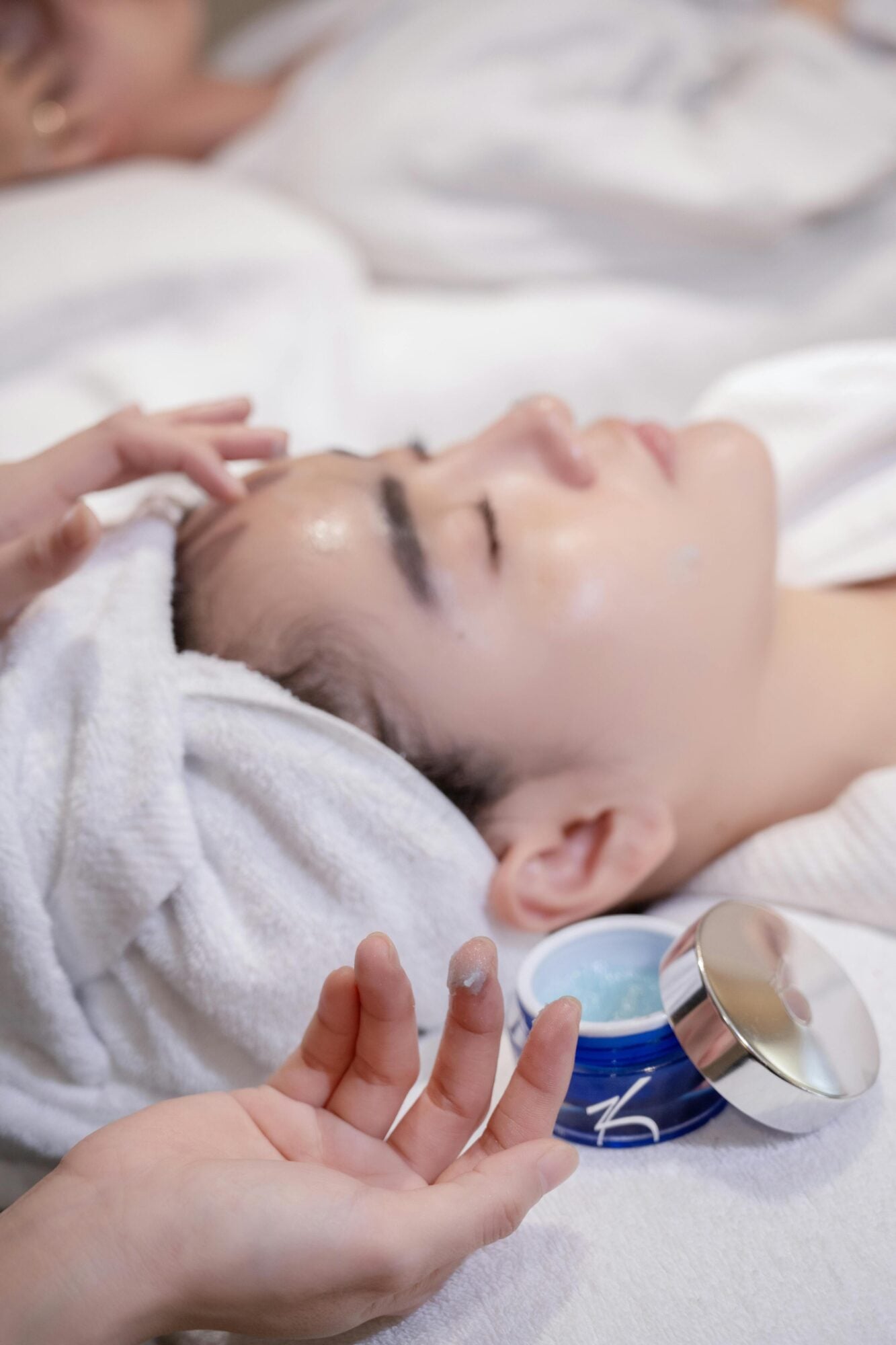
Snail mucin, or snail secretion filtrate, remains one of K-beauty’s most iconic ingredients. Naturally rich in glycoproteins, hyaluronic acid and zinc, it helps support skin repair while improving hydration and the appearance of post-breakout marks.
Part of its appeal lies in its texture. Lightweight and breathable, it delivers hydration without the heaviness often associated with reparative skincare, making it particularly suited to combination and blemish-prone skin.
Several formulas within the Medicube skincare range combine snail mucin with targeted actives designed to refine uneven texture and support a clearer, smoother complexion over time.
Galactomyces ferment filtrate: the ingredient behind glass skin
Fermented skincare has become one of K-beauty’s most influential contributions to the global beauty industry. Through fermentation, ingredients are broken down into smaller molecules, improving absorption while creating beneficial compounds such as amino acids and enzymes.
Galactomyces ferment filtrate, derived from the same yeast used in sake production, is especially prized for the clarity and luminosity it brings to the skin. Rather than acting like a traditional exfoliant, it supports the skin’s natural renewal process, helping restore freshness and refinement to tired complexions.
The result is the kind of subtle radiance associated with the coveted “glass skin” finish seen everywhere from Seoul street style to backstage beauty at Fashion Week.
Mugwort: the understated botanical gaining attention
For decades, mugwort has occupied a respected place in Korean herbal traditions. Now, the ingredient is gaining recognition internationally for its calming, antioxidant-rich properties.
Particularly suited to skin exposed to pollution, stress and environmental fluctuations, mugwort helps soothe irritation without disrupting the skin barrier. Its appeal lies in its softness, a quieter alternative to stronger acids and intensive treatments.
As beauty increasingly shifts towards barrier-first skincare, mugwort feels less like a trend and more like a natural evolution.
Propolis: barrier support with a luxury approach
Collected by bees to protect the hive, propolis is naturally rich in flavonoids and antioxidants. In skincare, it is valued for helping support the skin barrier while calming visible irritation and improving overall resilience.
It also reflects one of K-beauty’s most refined principles: simplicity with intention. Many Pyunkang-Yul products embody this philosophy through minimalist formulations designed to strengthen the skin without overwhelming it with unnecessary actives.
Why K-Beauty still feels so modern
The influence of K-beauty extends far beyond individual ingredients. Its lasting impact comes from a broader philosophy, one centred on maintaining skin health rather than constantly correcting it.
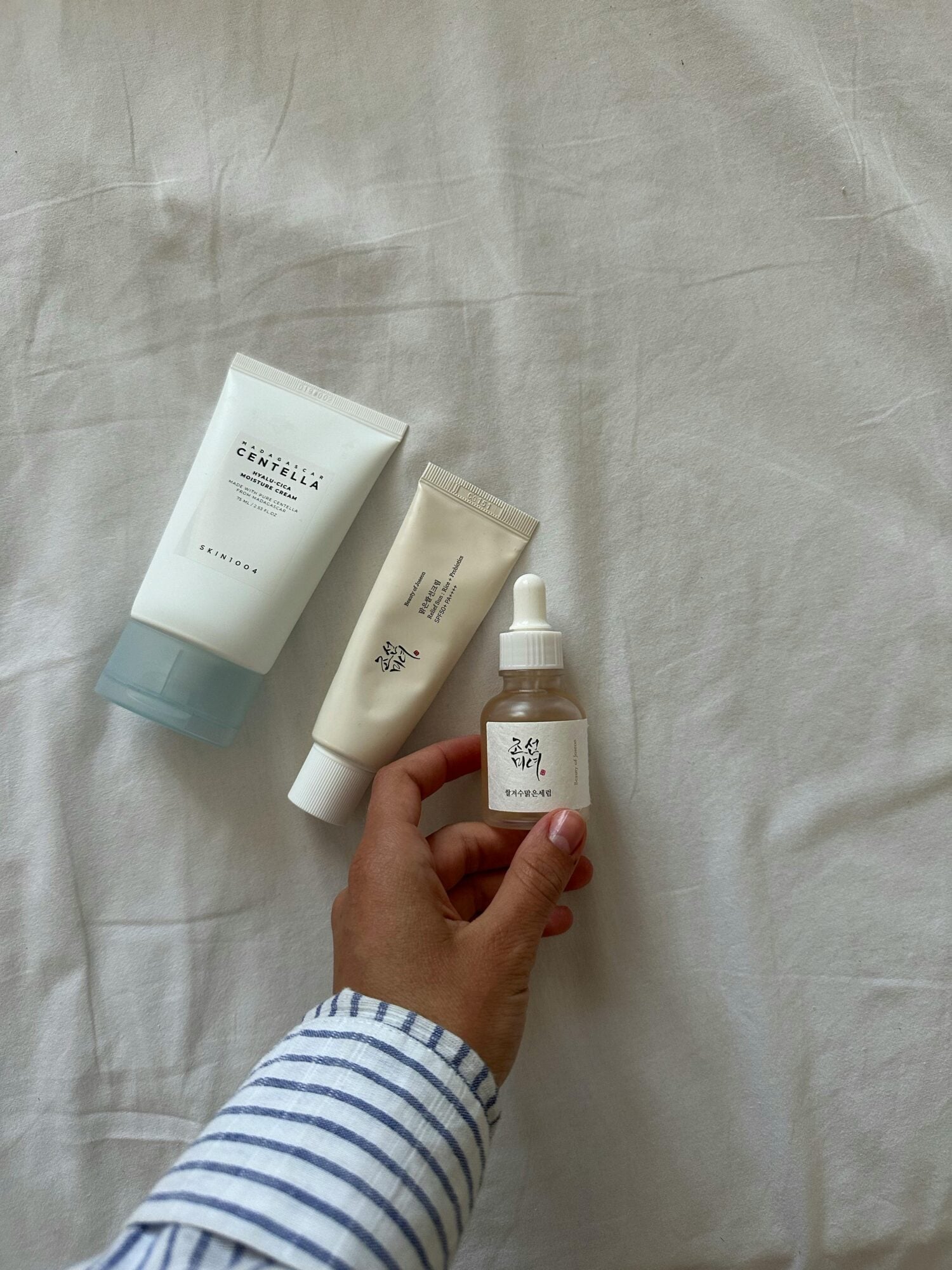
Centella Asiatica, snail mucin, galactomyces, mugwort and propolis each reflect a more measured approach to skincare: one that prioritises consistency, resilience and natural radiance over quick fixes.
In a beauty landscape increasingly defined by excess, K-beauty’s quieter philosophy feels unexpectedly modern.